
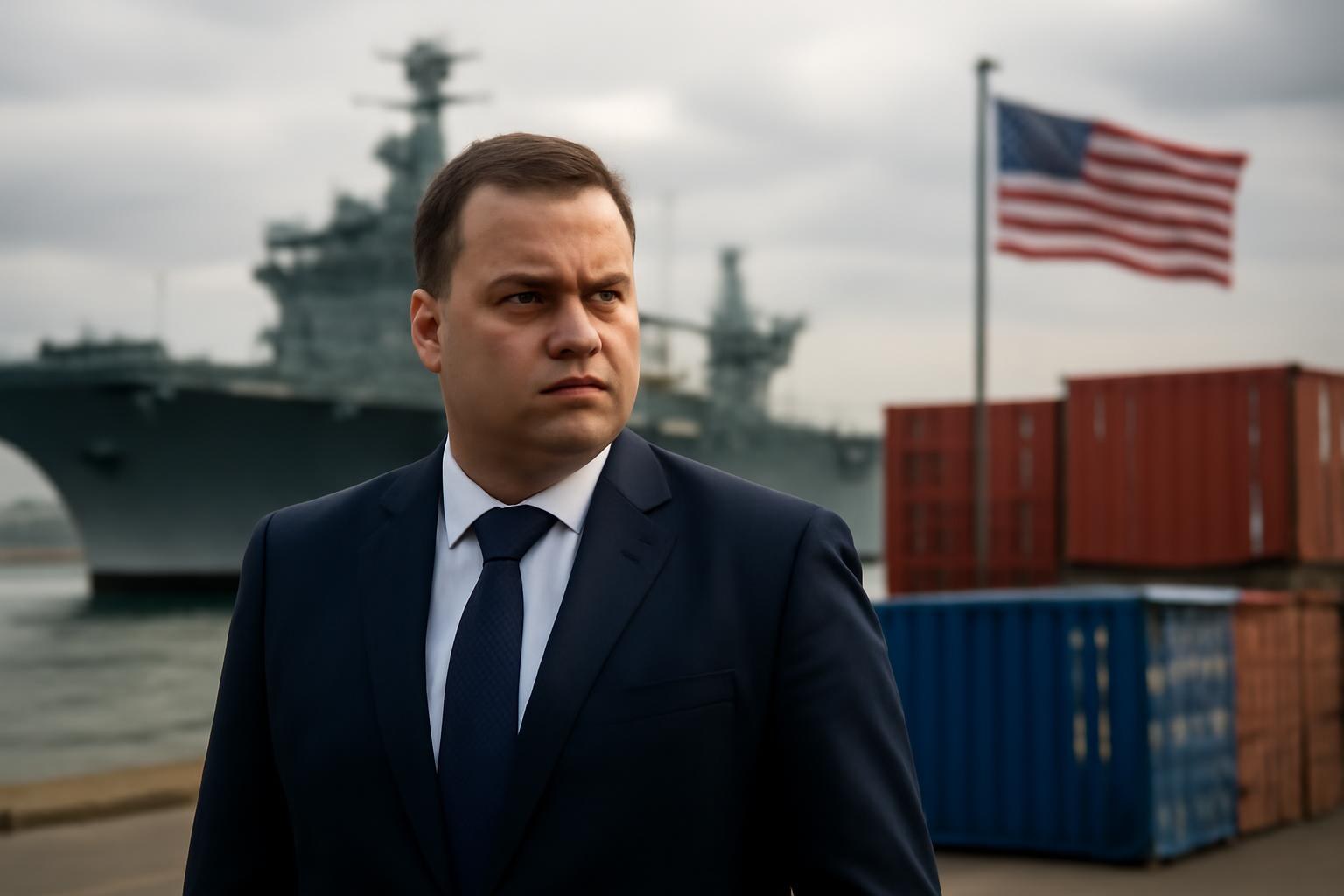
The global political landscape is being reshaped by the interaction of war, sanctions, and trade friction. Conflicts in Europe and the Middle East have disrupted energy routes, shipping insurance, and humanitarian access, while strategic competition in the Indo-Pacific has encouraged governments to scrutinize their dependence on foreign technology. These pressures are making economic policy inseparable from national security.
Many governments are responding by increasing defense budgets and building what officials call economic resilience. They are stockpiling critical medicines, diversifying energy suppliers, and subsidizing domestic production of semiconductors, batteries, and military equipment. Such policies can protect a country from sudden disruption, but they may also raise costs and encourage other states to adopt similar protectionist measures.
Trade restrictions have produced complicated effects. Sanctions can limit an adversary's access to finance and advanced components, yet they rarely stop trade completely; goods may be rerouted through intermediaries, relabeled, or sold through less transparent networks. As a result, enforcement has become a diplomatic and administrative challenge, particularly for countries that want to maintain commercial ties with both sides of a conflict.
Developing economies have been especially exposed to volatility in food, fuel, and fertilizer prices. Some have benefited from new opportunities to supply commodities or provide logistical services, but others face debt pressure and unstable currencies. Rather than automatically joining one major bloc, many governments are practicing selective alignment, cooperating with different partners according to the issue at hand.
International institutions are struggling to preserve common rules while powerful states increasingly use economic tools for strategic purposes. The World Trade Organization remains a forum for negotiation, but disputes over industrial subsidies and national-security exceptions have weakened confidence in its dispute-settlement system. Meanwhile, regional organizations are attempting to create payment arrangements, security dialogues, and supply networks that do not depend entirely on a single power.
The result is not a simple return to the Cold War. Instead, the world is becoming more fragmented, with overlapping partnerships and limited trust. Countries that can combine military preparedness, diversified trade, credible diplomacy, and social stability will have greater room to maneuver, while those dependent on one market or route may discover that geopolitical shocks quickly become domestic crises.