
A major political event has recently caught the attention of people across the country. The central government's Department of Cultural Affairs announced a new approach to funding artist organizations. The minister clearly stated that this type of policy change would certainly affect how public money is used. For many, the announcement marked the start of a new pattern in government decision-making.
The effect on the arts community was immediate. Many artists relate their work to important social issues, and they depend on government support to organize cultural events for the public. The relationship between political decisions and the arts has always been complex. In every section of the country, organizations began to turn down invitations to official events, showing their disapproval.
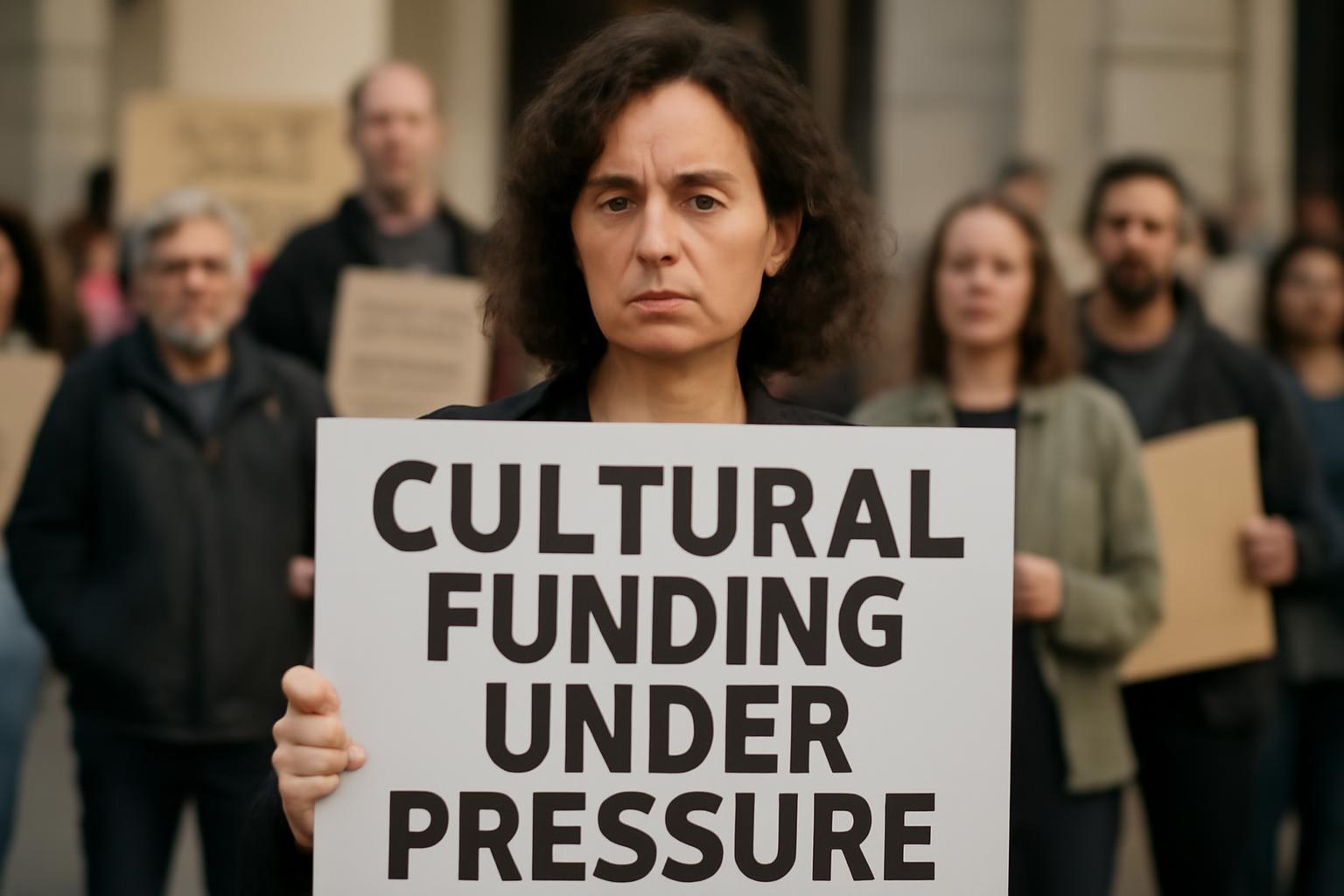
Hardly had the minister made the announcement when protests began to occur across the country. Not only did artists march in public, but also major organizations sent formal letters to the department. They argued that the decision violated a basic principle: the government has a responsibility to support creative work. It is difficult for individual artists to fight against political pressure on their own.
The conflict eventually led to a court case. One large arts organization took the central department to court, claiming the cuts were unfair and violated their rights. The case raised important questions about how political choices relate to the freedom of creative workers. The court will certainly need to examine these issues carefully before making a final decision.
As interest in the case has taken off online, the debate has clearly reached a wide audience. People from all walks of life are now more aware of how political policies can affect cultural life. Whether the court rules in favor of the artists or not, this event has already changed the pattern of how citizens engage with cultural issues. A new approach must certainly be found — one that follows the principle of fairness and supports the creative freedom of every artist.