
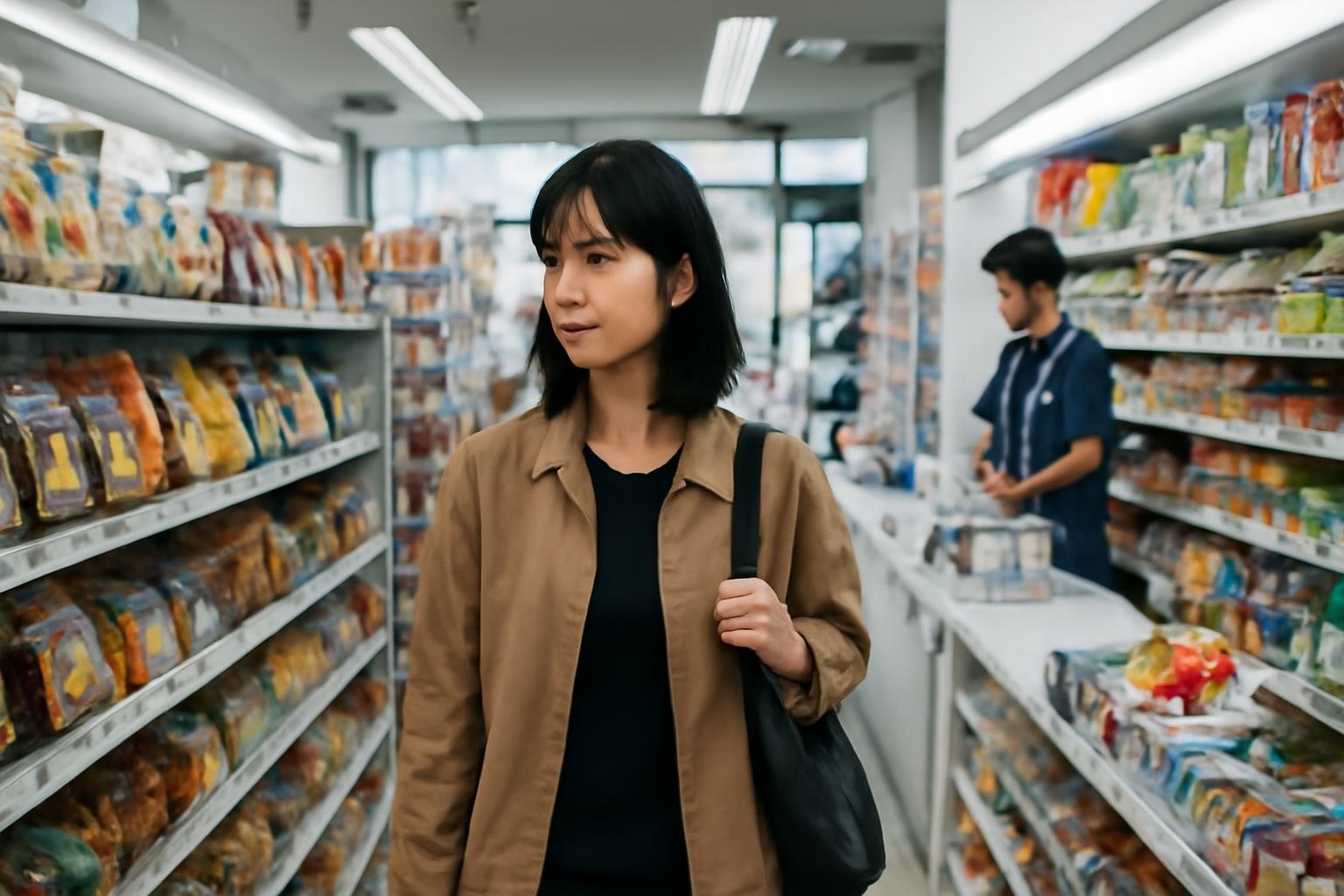
When travelers first arrive in Tokyo, they often notice the convenience stores before they notice the famous towers or busy shopping streets. In Japanese, these stores are commonly called konbini, a shortened form of “convenience store.” They appear on many corners and usually stay open for long hours, so people can buy something they need at almost any time. A small store may look ordinary, but it can tell visitors a lot about daily life in Japan.
Tokyo convenience stores sell much more than snacks and drinks. Customers can find rice balls, sandwiches, hot meals, fresh fruit, medicine, stationery, and even small travel items. Many stores also have microwaves, hot-water machines, and clean restrooms. The food is often arranged neatly, and new products arrive frequently, which gives regular customers a reason to look around each time they visit.
These stores also provide useful services. People can pay bills, send packages, print documents, buy event tickets, and withdraw cash from an ATM. Some travelers use a convenience store to make copies of a passport or to buy a simple breakfast before taking an early train. The goal is not only to sell products, but also to save customers time during a busy day.
Another interesting feature is the quality of ready-to-eat food. A worker may quickly heat a meal, while the cashier carefully packs each item. Even a low-cost lunch can include rice, vegetables, meat, or fish in a balanced way. Of course, quality differs by product and store, but the attention to presentation makes an everyday purchase feel surprisingly pleasant.
For visitors, a konbini can be a quiet window into Tokyo culture. People often enter alone, choose what they need, pay efficiently, and leave without making the store a social meeting place. This does not mean Japanese people never chat or relax; it simply shows how convenience stores are designed for practical daily tasks. Their success comes from combining speed, cleanliness, variety, and reliable service in one small space.