
一人旅:海外の旅から学ぶこと

公開日:2026-09-05 高中英文篇 Level 2
一人旅:海外の旅から学ぶこと
01

About This Article

この記事について
背景
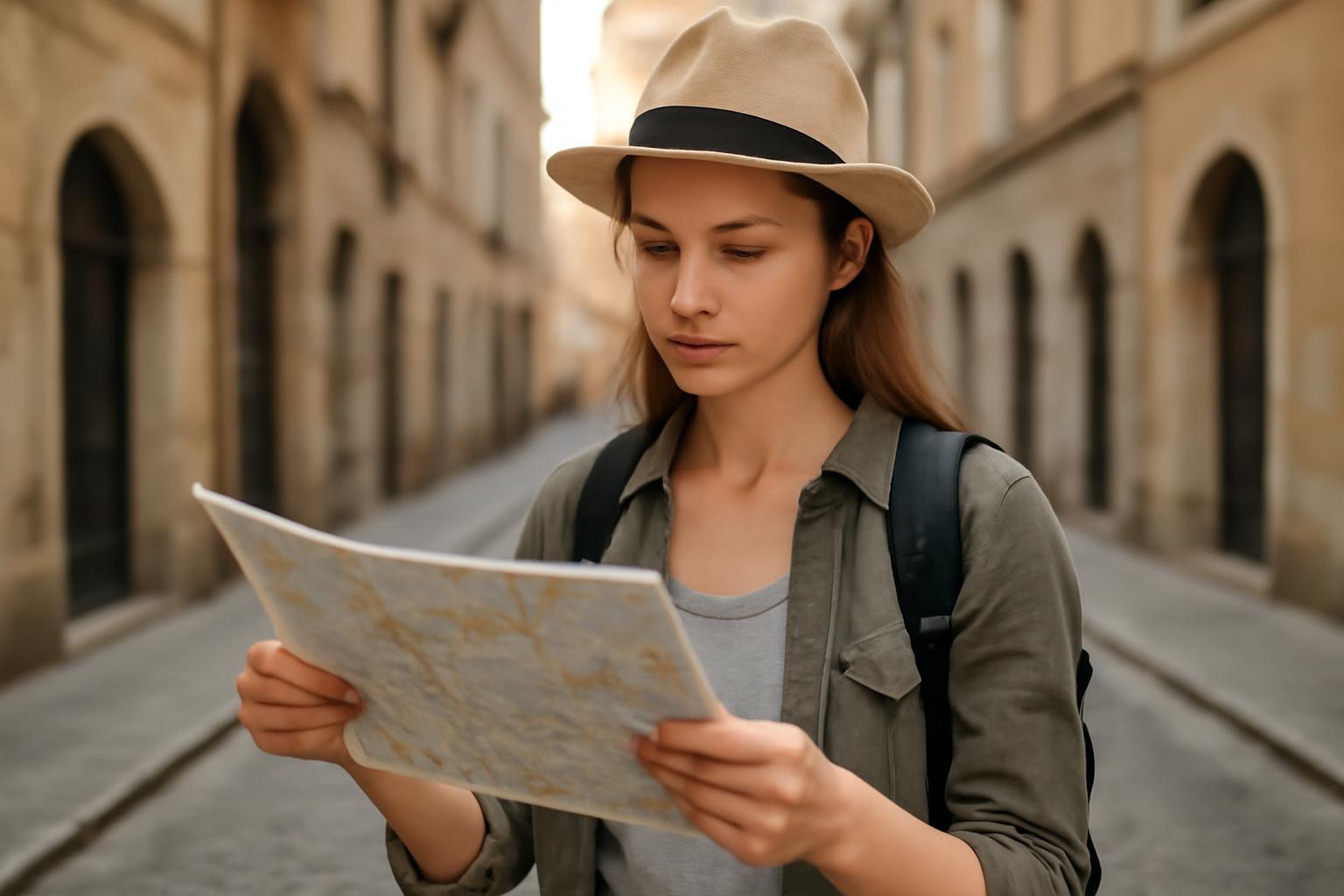
一人旅は若い世代の間でますます人気を集めています。パッケージツアーとは異なり、個人旅行は旅人が自由に旅程を組める一方、さまざまなトラブルに一人で対処しなければなりません。本記事は一人称の視点で、ある旅人がホテルのチェックイン、宗教施設の見学、買い物の際に英語を使うリアルな場面を描いており、学習者が旅行英語の定番表現と実際のコミュニケーション戦略を身につける助けとなっています。
  • 正しい姿勢と十分な準備が一人旅の基礎となる
  • 出発前に交通手段・通貨両替・観光地情報を調べておく
  • ホテルのチェックインや宗教施設の見学に役立つ英語会話
  • 旅のトラブルに直面したときに冷静さを保ち、前に進み続ける姿勢
  • 異文化交流こそが、すべての旅の最も大切な収穫
02

Listen First

まず聞く
00:00 / 00:00
03

Reading

記事を読む
English

Traveling independently is a challenge that many young adults choose to embrace. My professor once told me that every journey teaches you something new—about the world, and about yourself. The key is to go in with the right attitude: curious, flexible, and open to the unexpected.

First and foremost, plan ahead. Look up the means of transportation, currency exchange rates, and whether religious sites or civil landmarks exist near your destination. It is obvious that good preparation saves you from unnecessary stress and helps you make the most of your time abroad.

When I arrived at the hotel, I approached the front desk and asked, "Do you have any rooms available?" The receptionist confirmed my booking with a warm smile. I could immediately recognise the cultural division between my home country and this new place—people moved more slowly, spoke more softly, and treated every interaction with care. In the meantime, I sat in the lobby and read a travel guide, waiting patiently for my room to be ready.

The next morning, I visited a famous religious temple. I asked a staff member, "What are the visiting hours?" and learned that adults paid a small admission fee. The experience was breathtaking. At a souvenir shop nearby, I picked up a handmade scarf and asked the seller, "Could I try this on?" She smiled and nodded. Such small exchanges gave me a chance to connect with local people in a natural way.

Independent travel is not without pain. There were moments when I had to bear the status of being a clueless foreigner—a failure to read a local sign, a misstep in civil customs, or getting lost without aid. But I never let these moments bar me from moving forward. I had to judge each situation calmly and vote to keep going. In the end, the exchange of ideas and experiences between cultures is what makes every journey truly meaningful.

日本語訳

一人旅は、多くの若者が自ら選んで挑む挑戦です。かつて教授から「どんな旅も、世界について、そして自分自身について、何か新しいことを教えてくれる」と言われました。大切なのは、正しい姿勢で臨むこと——好奇心を持ち、柔軟に対応し、予期せぬ出来事にも心を開いていることです。

まず何より、事前に計画を立てましょう。目的地周辺の交通手段や通貨の両替レート、宗教施設や文化的名所があるかどうかを調べておきましょう。十分な準備が不要なストレスを防ぎ、海外での時間を有効に活用できるようになることは明らかです。

ホテルに到着すると、フロントに近づいて「空いているお部屋はありますか?」と尋ねました。受付係は温かい笑顔で予約を確認してくれました。自分の国とこの新しい場所の文化的な違いをすぐに感じることができました——人々はよりゆっくりと動き、よりやわらかな声で話し、どんなやりとりにも丁寧に接していました。その間、私はロビーに座ってガイドブックを読みながら、部屋の準備が整うのを気長に待ちました。

翌朝、私は有名な宗教寺院を訪れました。スタッフに「参拝時間は何時ですか?」と尋ね、大人は少額の入場料が必要だと知りました。その体験は息をのむほど素晴らしいものでした。近くの土産物店で手作りのスカーフを手に取り、店員に「試着してもいいですか?」と聞くと、彼女は微笑んでうなずいてくれました。こうした小さなやりとりが、地元の人々と自然な形でつながるきっかけを与えてくれました。

一人旅は苦労がないわけではありません。地元の標識が読めなかったり、文明的な慣習でうっかり失礼をしたり、誰の助けも借りずに道に迷ったりと、無知な外国人という立場を甘受しなければならない瞬間もありました。しかし、そうした瞬間に前に進む足を止めることはありませんでした。一つひとつの状況を冷静に判断し、歩み続けることを選びました。最終的に、異文化間における思想と経験の交流こそが、すべての旅を真に意味あるものにするのです。

04

Key Words

重要単語・フレーズ
12 件
05

Expressions

慣用表現
5 件
06

Practice

理解度テスト
6 問 +ディスカッション 2 問
0 /0 問

1 What did the narrator's professor say about every journey?
正解です。 不正解です。正解は緑色で示しています。
2 What did the narrator do at the souvenir shop?
正解です。 不正解です。正解は緑色で示しています。
3 Look up the of transportation, currency exchange rates, and whether religious sites exist near your destination.
正解です。 不正解です。正解は緑色で示しています。
4 I could immediately the cultural division between my home country and this new place.
正解です。 不正解です。正解は緑色で示しています。
5 , plan ahead before you travel to a foreign country.
正解です。 不正解です。正解は緑色で示しています。
6 , I sat in the lobby and read a travel guide, waiting patiently for my room to be ready.
正解です。 不正解です。正解は緑色で示しています。

Discussion

質問とディスカッション
2 問

以下の問いに正解はありません。英語で自分の考えを、1 問につき 3〜5 文で話してみましょう。

  1. 1 Have you ever traveled independently or planned a trip by yourself? What challenges did you face, and how did you handle them?
  2. 2 The narrator says that exchanging ideas and experiences between cultures makes every journey truly meaningful. Do you agree? What do you think you can learn from traveling to a place with a very different culture?