
기술 경쟁이 글로벌 공급망의 새로운 변화를 이끌다

게시일:2026-09-02 世界與新聞 Level 4
기술 경쟁이 글로벌 공급망의 새로운 변화를 이끌다
01

About This Article

이 기사에 대하여
배경
미중 기술 경쟁, 수출 통제 및 지정학적 위험이 반도체, 배터리와 통신 장비의 생산 배치를 바꾸고 있다. 기업들은 더 이상 최저 비용만을 기준으로 공장 위치를 선택하지 않으며, 공급원, 정책 안정성 및 기술 통제도 중시하기 시작했다.
  • 기술 경쟁이 기업의 생산능력 재배치를 촉진하다
  • 반도체와 첨단 장비가 전략적 자산이 되다
  • 각국이 보조금으로 첨단 제조업을 유치하다
  • 효율성과 공급 안보 사이에서 상충이 나타나다
02

Listen First

먼저 듣기
00:00 / 00:00
03

Reading

기사 읽기
English

Technology rivalry is prompting companies to redesign global supply chains that were once organized primarily around efficiency. For decades, manufacturers concentrated production in locations with low labor costs, deep supplier networks, and favorable logistics. In 2026, however, export controls, sanctions, and fears of conflict are encouraging firms to place greater value on resilience and strategic redundancy.

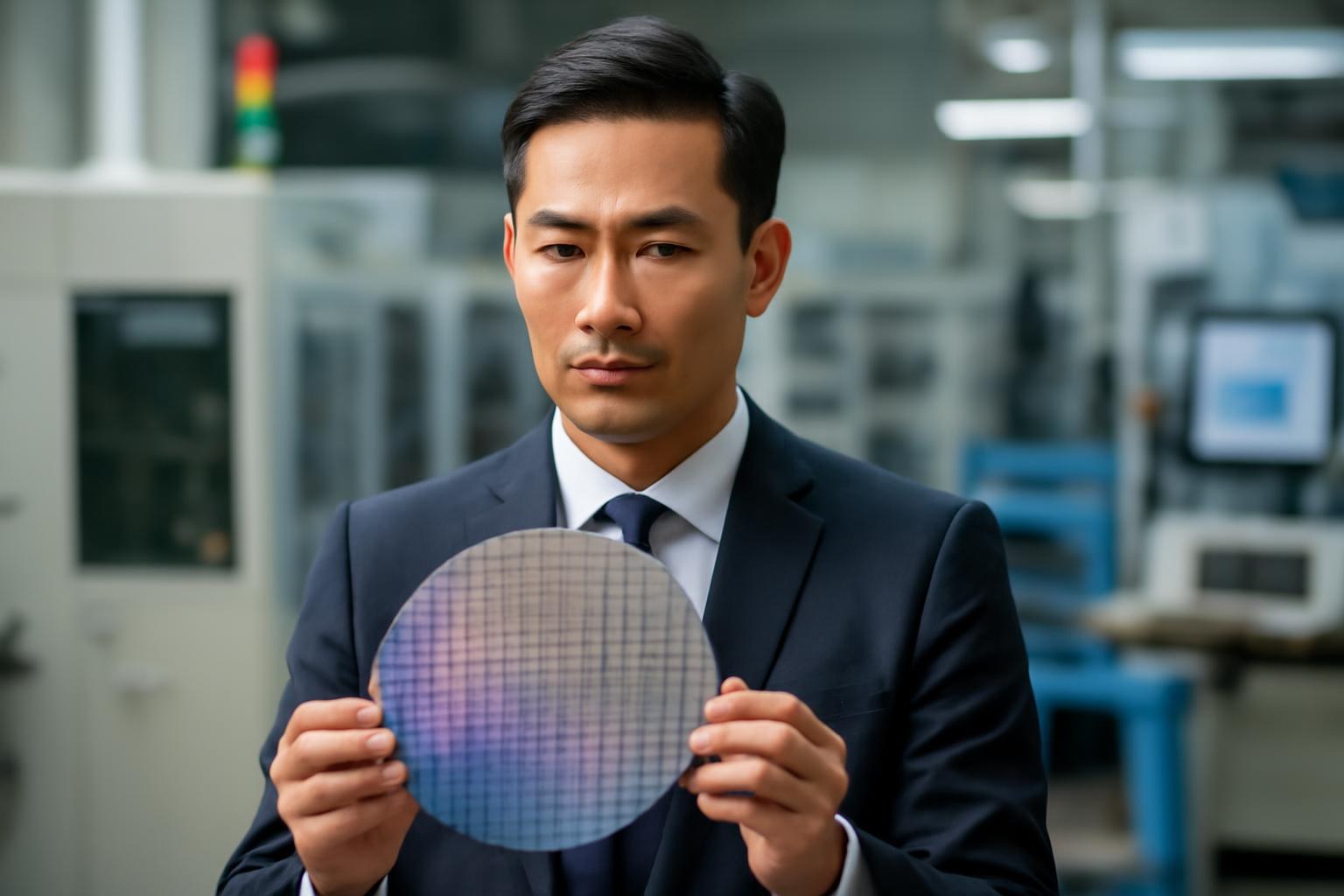
Semiconductors illustrate this transformation clearly. Advanced chips require specialized equipment, sophisticated materials, and years of accumulated expertise, so no country can quickly reproduce the entire ecosystem. Governments are offering tax credits, grants, and infrastructure support to attract fabrication plants, while restricting the sale of leading technologies to strategic competitors.

This policy competition is producing new manufacturing centers in North America, Europe, and parts of Asia. The expansion may reduce reliance on a small number of established hubs, but it also requires substantial public spending and skilled labor. A factory cannot become competitive merely because a government announces a subsidy; dependable electricity, clean water, engineers, suppliers, and transport links are equally essential.

Companies are responding through a mixture of diversification and regionalization. Some are adopting a “China plus one” model, keeping operations in China while developing an additional base elsewhere. Others are locating production closer to major customers in order to shorten delivery times and reduce exposure to border closures, sanctions, or sudden changes in trade regulations.

Yet duplication has a price. Maintaining several facilities can increase capital expenditure, complicate quality control, and make products more expensive. Smaller firms may lack the resources to build alternative supplier relationships, leaving them vulnerable even when large multinational corporations describe their networks as diversified.

The new supply-chain strategy is therefore not a complete retreat from globalization. It is a more conditional form of globalization in which commercial decisions are filtered through security assessments and political expectations. The companies most likely to succeed will be those that can map hidden dependencies, invest in workforce development, and remain flexible without sacrificing innovation or financial discipline.

한국어 번역

기술 경쟁은 기업들이 과거에 주로 효율성을 중심으로 구성했던 글로벌 공급망을 재설계하도록 촉구하고 있다. 수십 년 동안 제조업체들은 낮은 인건비, 탄탄한 공급업체 네트워크와 유리한 물류 여건을 갖춘 지역에 생산을 집중했다. 그러나 2026년에는 수출 통제, 제재와 분쟁에 대한 우려로 인해 기업들이 회복탄력성과 전략적 이중화에 더 큰 가치를 두도록 유도되고 있다.

반도체는 이러한 변화를 명확하게 보여 준다. 첨단 칩에는 특수 장비, 정교한 소재와 수년에 걸쳐 축적된 전문성이 필요하므로, 어느 한 국가도 전체 생태계를 신속하게 재현할 수 없다. 각국 정부는 세액 공제, 보조금과 인프라 지원을 제공해 생산 공장을 유치하는 한편, 전략적 경쟁국에 선도 기술을 판매하는 것을 제한하고 있다.

이러한 정책 경쟁은 북미, 유럽과 아시아 일부 지역에 새로운 제조 거점을 만들어 내고 있다. 이러한 확장은 소수의 기존 허브에 대한 의존도를 낮출 수 있지만, 상당한 공공 지출과 숙련 인력을 필요로 한다. 정부가 보조금을 발표했다는 이유만으로 공장이 경쟁력을 갖추는 것은 아니다. 안정적인 전력, 깨끗한 물, 엔지니어, 공급업체와 운송망 역시 똑같이 필수적이다.

기업들은 다각화와 지역화를 혼합한 방식으로 대응하고 있다. 일부 기업은 ‘차이나 플러스 원’ 모델을 채택해 중국 내 사업을 유지하면서 다른 지역에 추가 거점을 개발하고 있다. 다른 기업들은 배송 시간을 단축하고 국경 폐쇄, 제재 또는 무역 규정의 갑작스러운 변화에 대한 노출을 줄이기 위해 주요 고객과 가까운 곳에 생산 시설을 배치하고 있다.

그러나 생산시설을 중복해서 운영하는 데에는 대가가 따른다. 여러 시설을 유지하면 자본 지출이 늘어나고 품질 관리가 복잡해지며 제품 가격이 상승할 수 있다. 규모가 작은 기업은 대체 공급업체 관계를 구축할 자원이 부족할 수 있으므로, 대형 다국적 기업들이 공급망을 다각화했다고 설명하더라도 취약한 상태로 남을 수 있다.

따라서 새로운 공급망 전략은 세계화에서 완전히 후퇴하는 것이 아니다. 이는 상업적 의사결정이 안보 평가와 정치적 기대를 거치는, 보다 조건부적인 형태의 세계화이다. 가장 성공할 가능성이 높은 기업은 숨겨진 의존관계를 파악하고, 인력 개발에 투자하며, 혁신이나 재무 규율을 희생하지 않고도 유연성을 유지할 수 있는 기업일 것이다.

04

Key Words

핵심 단어·구
5 개
05

Expressions

관용 표현
5 개
06

Practice

이해도 테스트
5 문항 +토론 3문항
0 /0문항

1 What traditionally influenced the location of manufacturing?
정답입니다. 오답입니다. 정답은 초록색으로 표시했습니다.
2 Why are advanced semiconductor ecosystems difficult to reproduce quickly?
정답입니다. 오답입니다. 정답은 초록색으로 표시했습니다.
3 What do government subsidies alone fail to guarantee?
정답입니다. 오답입니다. 정답은 초록색으로 표시했습니다.
4 What does the “China plus one” model mean?
정답입니다. 오답입니다. 정답은 초록색으로 표시했습니다.
5 Why can smaller firms remain vulnerable?
정답입니다. 오답입니다. 정답은 초록색으로 표시했습니다.

Discussion

질문과 토론
3 문항

아래 질문에는 정답이 없습니다. 영어로 자신의 생각을 한 문항당 3~5문장으로 말해 보세요.

  1. 1 Should governments subsidize domestic technology manufacturing even when it increases public spending? Why?
  2. 2 How can a company balance supply-chain resilience with the need to control costs?
  3. 3 What hidden dependencies might exist in a product or industry you know well?