
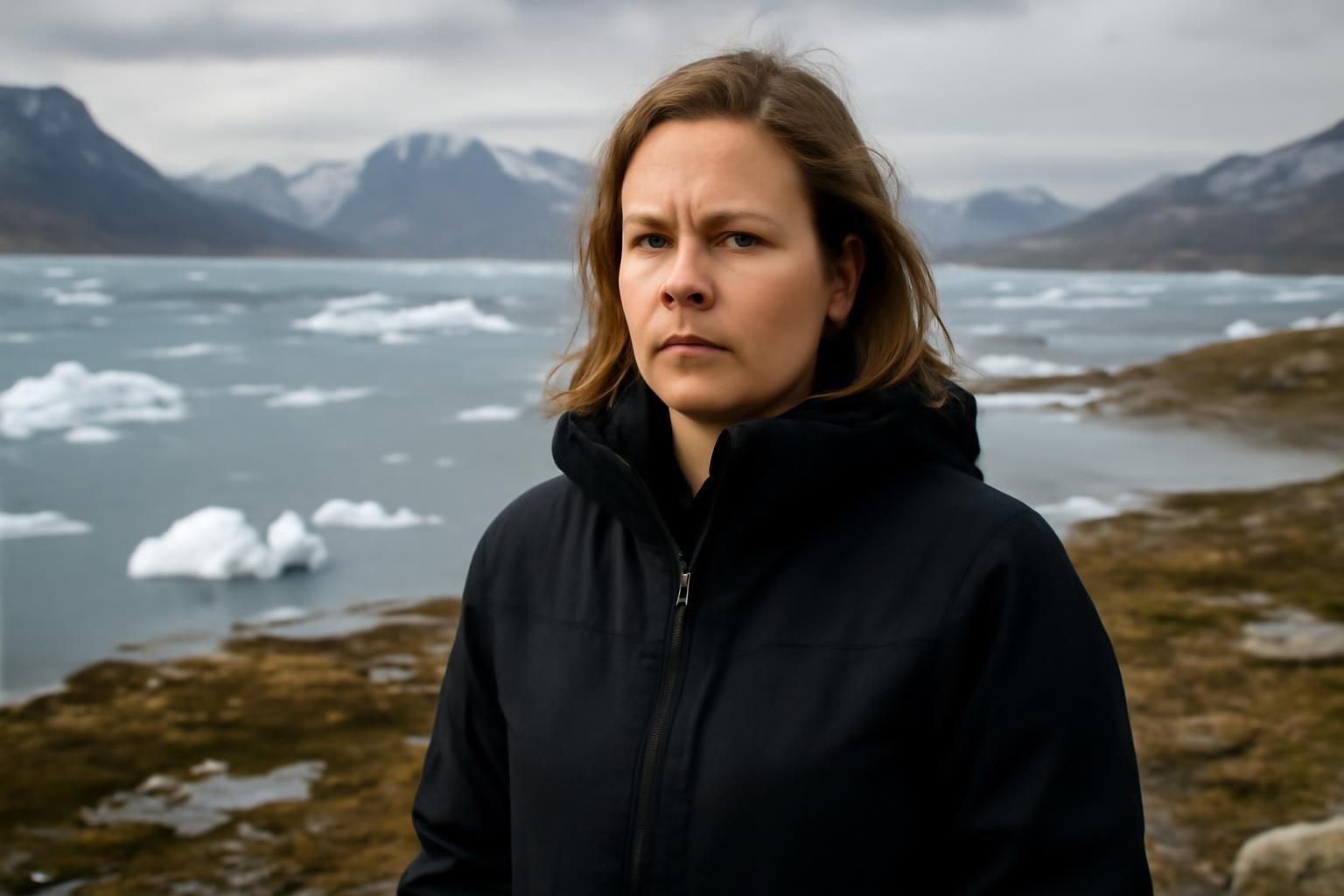
Greenland has moved from the margins of international diplomacy to the center of Arctic strategy. Its enormous territory lies between North America and Europe, close to emerging sea routes that may become more accessible as the polar ice retreats. Although Greenland has a small population and limited infrastructure, its location gives it disproportionate geopolitical significance.
The island is also believed to contain deposits of rare earth elements, graphite, uranium, and other minerals needed for batteries, defense systems, and advanced electronics. These resources have attracted interest because Western governments want to reduce their dependence on concentrated supply chains, particularly those connected to China. Geological potential, however, does not automatically translate into profitable production; harsh weather, high costs, environmental concerns, and a shortage of workers remain formidable obstacles.
Security considerations have become equally important. The United States operates a major space and missile-warning facility at Pituffik, formerly known as Thule Air Base, while Russia has expanded military activity elsewhere in the Arctic. NATO members are therefore examining surveillance, satellite communication, search-and-rescue capacity, and the vulnerability of undersea infrastructure. Any increase in military presence must nevertheless be balanced against Greenlandic concerns about pollution, sovereignty, and the social impact of outside projects.
Denmark faces a delicate diplomatic task because it retains responsibility for foreign affairs and defense, whereas Greenland exercises extensive self-government and many residents support eventual independence. Copenhagen cannot treat the island merely as a strategic asset, since decisions about mining, land use, and foreign investment increasingly require Greenlandic consent. At the same time, Greenland must weigh the economic benefits of international partnerships against the risk of replacing one form of dependence with another.
Climate change has consequently transformed the Arctic from a remote frontier into a contested political space. New shipping possibilities and mineral exploration may create jobs and revenue, but they could also intensify ecological damage and competition among major powers. Greenland's future influence will depend not only on what lies beneath its ice, but also on whether its people can convert strategic attention into sustainable development and greater political autonomy.