
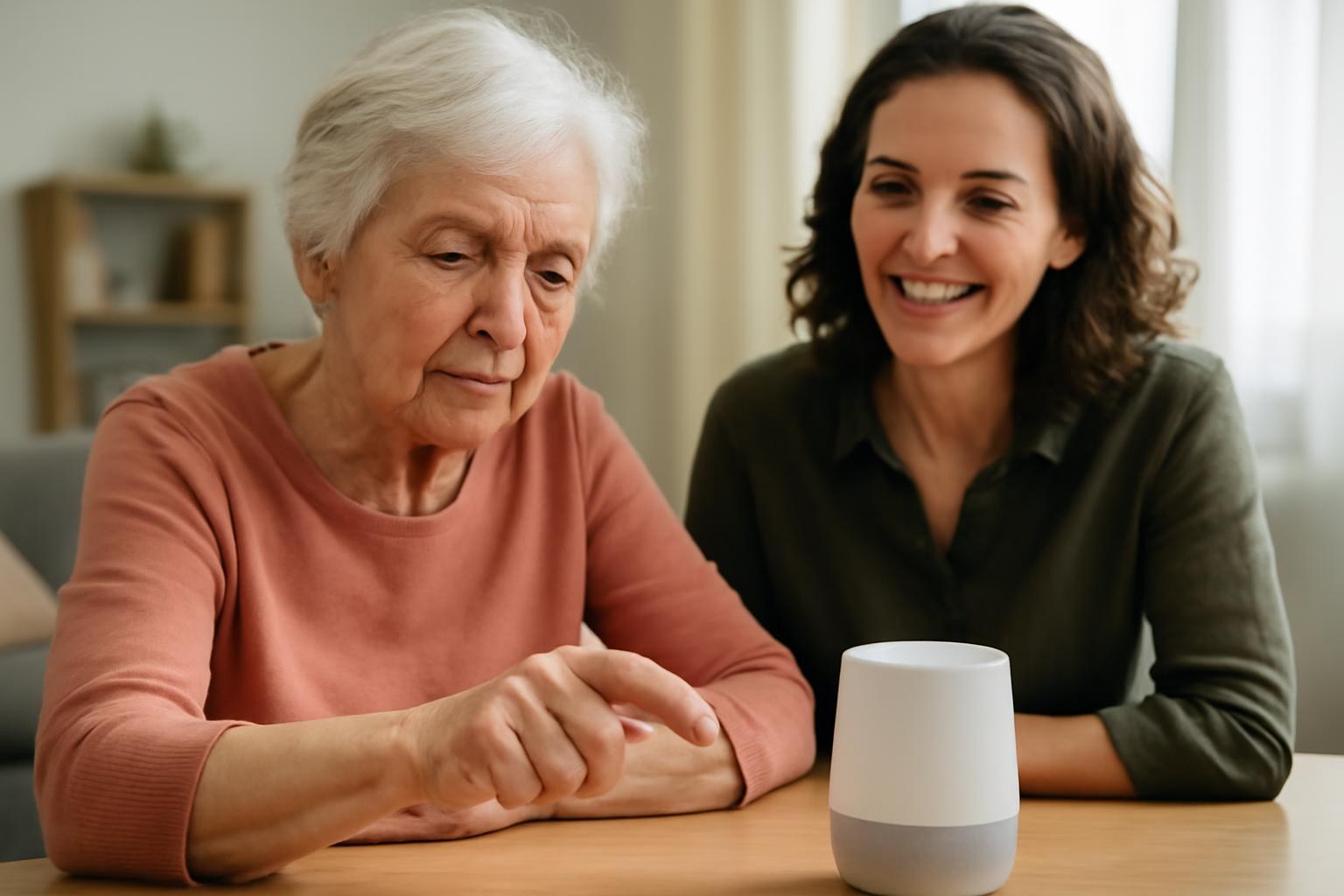
Living independently means being able to manage daily life with as little help as possible. For older adults and people with disabilities, some ordinary tasks can be difficult. Opening a door, remembering medicine, or calling for help may require extra support. New technology is giving many people more choices.
Smart home devices are one example. A person can use a voice command to turn on lights, adjust the temperature, or lock a door. Motion sensors can notice when someone falls, and an alarm can contact a family member. These tools may make a home safer without taking away the person's control.
Mobile phones can also support independent living. Special apps can remind users about appointments and medicine. A phone with a large screen and clear buttons is easier for someone with weak eyesight to use. Video calls allow people to stay in touch with doctors, friends, and family without leaving home.
Technology can help outside the home as well. Some buses and trains now provide apps that show arrival times and accessible routes. Electronic payment systems can make shopping faster, while online services allow people to order food or book a medical visit. These services are useful when transportation is not easy.
However, technology is not a perfect answer. Devices can be expensive, and users may need training before they feel comfortable. A weak internet connection can stop an important service from working. People also worry about personal information being collected by apps and smart machines.
Good design should begin with the needs of real users. Products should be simple, safe, and available at a reasonable price. Family members, teachers, and health workers can help users choose and learn new tools, but they should respect each person's decisions. When technology is designed carefully, it can offer support while helping people remain active and independent.