
テクノロジーは人々の自立した生活を支えられるか

公開日:2026-09-02 國中英語篇 Level 2
テクノロジーは人々の自立した生活を支えられるか
01

About This Article

この記事について
背景
テクノロジーは娯楽や仕事のためだけでなく、高齢者や障害のある人が日常の作業を行うのにも役立ちます。スマート家電やスマートフォンのアプリ、医療機器は、利用者の安心感や自立性を高める可能性があります。しかし、製品には価格、プライバシー、操作の難しさについても配慮が必要です。
  • テクノロジーが人々の日常生活を支える方法
  • スマート機器と音声操作の用途
  • テクノロジーがもたらす便利さと問題点
  • 安全で使いやすい製品の設計
02

Listen First

まず聞く
00:00 / 00:00
03

Reading

記事を読む
English

Living independently means being able to manage daily life with as little help as possible. For older adults and people with disabilities, some ordinary tasks can be difficult. Opening a door, remembering medicine, or calling for help may require extra support. New technology is giving many people more choices.

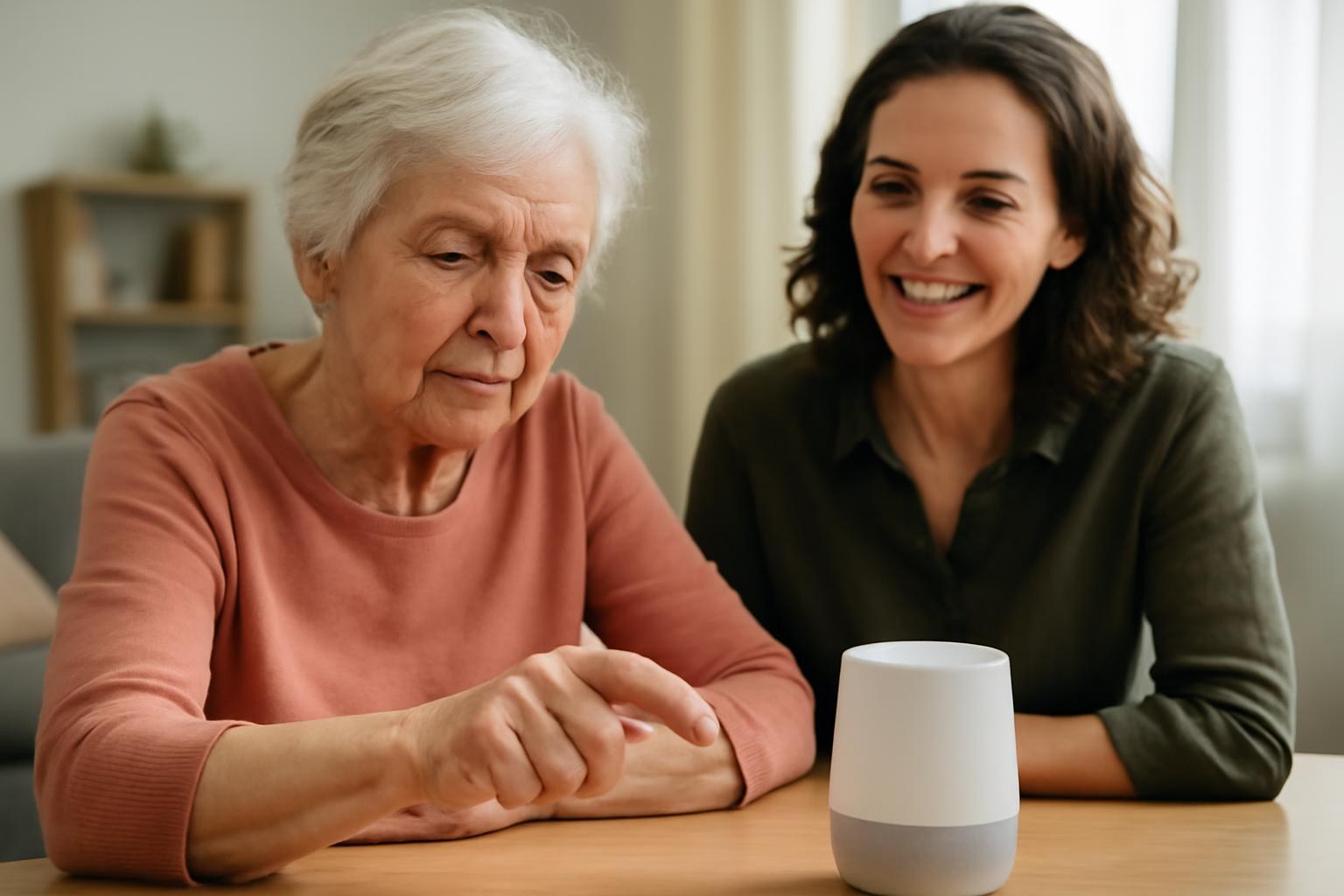
Smart home devices are one example. A person can use a voice command to turn on lights, adjust the temperature, or lock a door. Motion sensors can notice when someone falls, and an alarm can contact a family member. These tools may make a home safer without taking away the person's control.

Mobile phones can also support independent living. Special apps can remind users about appointments and medicine. A phone with a large screen and clear buttons is easier for someone with weak eyesight to use. Video calls allow people to stay in touch with doctors, friends, and family without leaving home.

Technology can help outside the home as well. Some buses and trains now provide apps that show arrival times and accessible routes. Electronic payment systems can make shopping faster, while online services allow people to order food or book a medical visit. These services are useful when transportation is not easy.

However, technology is not a perfect answer. Devices can be expensive, and users may need training before they feel comfortable. A weak internet connection can stop an important service from working. People also worry about personal information being collected by apps and smart machines.

Good design should begin with the needs of real users. Products should be simple, safe, and available at a reasonable price. Family members, teachers, and health workers can help users choose and learn new tools, but they should respect each person's decisions. When technology is designed carefully, it can offer support while helping people remain active and independent.

日本語訳

自立した生活を送るとは、できるだけ人の助けを借りずに日常生活を管理できることです。高齢者や障害のある人にとっては、当たり前の作業の中にも難しいものがあります。ドアを開けたり、薬を飲むことを思い出したり、助けを呼んだりするには、追加の支援が必要になる場合があります。新しいテクノロジーは、多くの人により多くの選択肢を与えています。

スマートホーム機器はその一例です。音声指示を使って、照明をつけたり、温度を調節したり、ドアに鍵をかけたりできます。人が転倒したことを動作センサーが察知し、アラームで家族に連絡することもできます。これらの道具は、その人の主導権を奪うことなく、家をより安全にしてくれるかもしれません。

スマートフォンも自立した生活を支えることができます。専用のアプリは、利用者に予定や薬の時間を知らせてくれます。大きな画面と見やすいボタンがあるスマートフォンは、視力の弱い人にも使いやすいものです。ビデオ通話を使えば、家を出なくても医師や友人、家族と連絡を取り続けることができます。

テクノロジーは家の外でも役立ちます。現在では、到着時刻やバリアフリーのルートを表示するアプリを提供しているバスや電車もあります。電子決済システムによって買い物をより速く済ませることができ、オンラインサービスを使えば食べ物を注文したり、診察の予約を取ったりできます。交通機関を利用するのが難しいとき、これらのサービスは便利です。

しかし、テクノロジーは完璧な答えではありません。機器は高価な場合があり、利用者が使い慣れて安心できるようになるまで、訓練が必要なこともあります。インターネット接続が弱いと、大切なサービスが機能しなくなる可能性があります。また、アプリやスマート機器に個人情報を収集されることを心配する人もいます。

良い設計は、実際に使う人のニーズから始めるべきです。製品は簡単で安全、そして無理のない価格で利用できるものでなければなりません。家族や教師、医療従事者は、利用者が新しい道具を選んだり学んだりするのを助けることができますが、一人ひとりの決定を尊重すべきです。テクノロジーが慎重に設計されれば、人々が活動的で自立した生活を続けられるよう支えながら、必要な助けを提供できます。

04

Key Words

重要単語・フレーズ
3 件
05

Expressions

慣用表現
3 件
06

Practice

理解度テスト
9 問 +ディスカッション 3 問
0 /0 問

1 What can motion sensors notice?
正解です。 不正解です。正解は緑色で示しています。
2 Why are large screens and clear buttons useful?
正解です。 不正解です。正解は緑色で示しています。
3 What is one problem with technology mentioned in the article?
正解です。 不正解です。正解は緑色で示しています。
4 Some buses provide apps that show routes.
正解です。 不正解です。正解は緑色で示しています。
5 People worry about personal information and .
正解です。 不正解です。正解は緑色で示しています。
6 Technology can help people live .
正解です。 不正解です。正解は緑色で示しています。
7 People can manage daily life with help as possible.
正解です。 不正解です。正解は緑色で示しています。
8 Online services allow people order food.
正解です。 不正解です。正解は緑色で示しています。
9 People can book a visit without home.
正解です。 不正解です。正解は緑色で示しています。

Discussion

質問とディスカッション
3 問

以下の問いに正解はありません。英語で自分の考えを、1 問につき 3〜5 文で話してみましょう。

  1. 1 What technology helps you complete daily tasks more easily? Please explain how you use it.
  2. 2 What should designers do to protect users' privacy when they create smart devices?
  3. 3 Would you like to use more smart home devices in the future? Why or why not?