
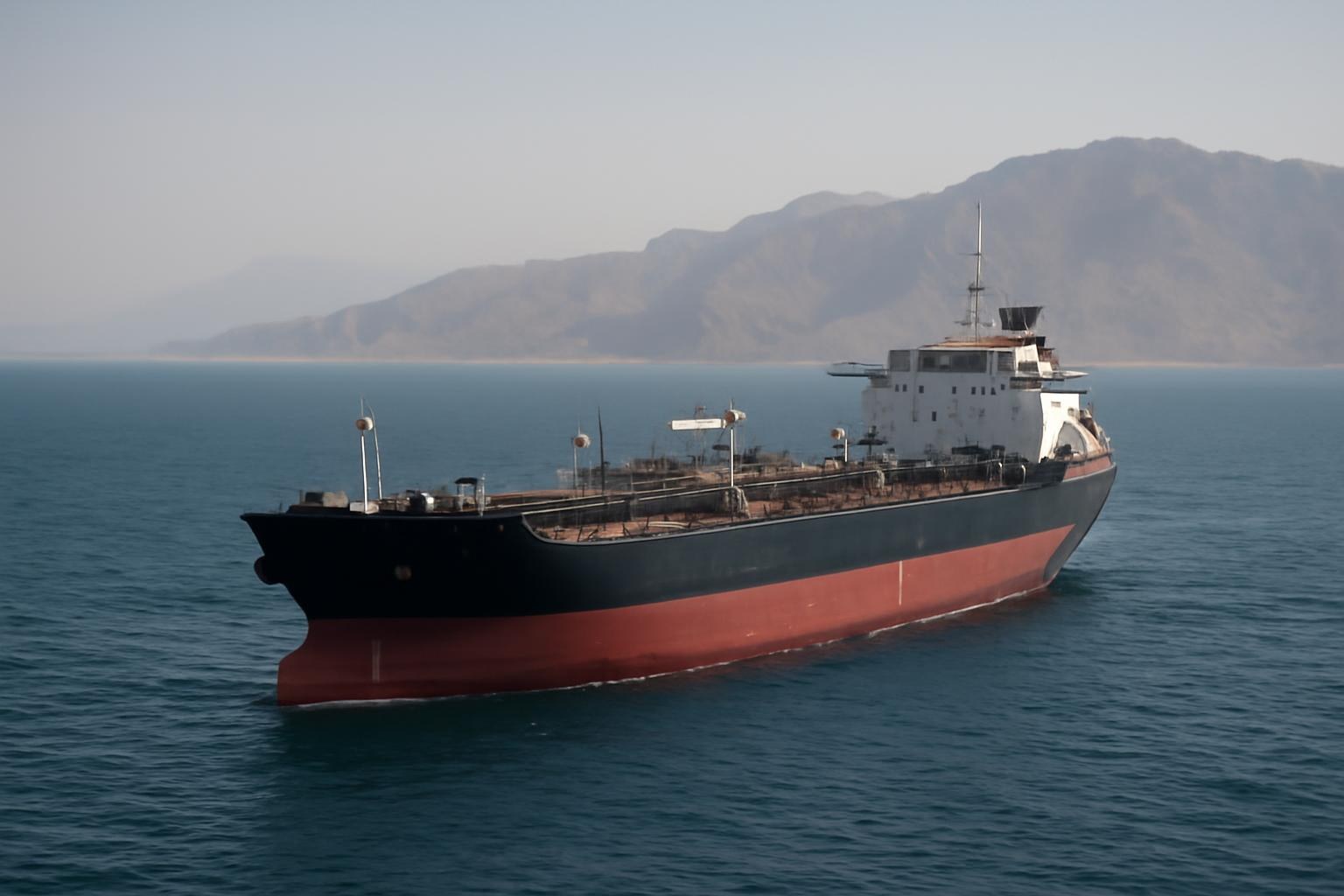
The crisis surrounding the Strait of Hormuz has demonstrated how a geographically narrow passage can influence the global economy. The waterway connects major producers in the Persian Gulf with refineries and consumers across Asia, Europe, and other regions. A threat to shipping there would therefore be interpreted as a threat to the reliability of international energy trade.
Markets can react before a single tanker is physically delayed. Traders price in the possibility of military escalation, temporary closures, or stricter inspections, causing benchmark crude prices and freight rates to move rapidly. This anticipatory behavior can be economically rational, but it may also amplify volatility when information is incomplete or contradictory.
Energy companies face several layers of exposure. They must consider whether vessels can pass safely, whether insurers will provide coverage, and whether ports in destination countries can handle redirected cargoes. A company may possess a long-term supply contract yet still struggle to receive the fuel if transportation infrastructure becomes unavailable.
Asian economies are especially important in this equation because many depend heavily on imported crude oil and liquefied natural gas. A shipping disruption could raise the cost of electricity, petrochemicals, aviation fuel, and manufactured goods. Governments might subsidize consumers temporarily, but prolonged subsidies can strain public budgets and weaken incentives to reduce demand.
Strategic reserves provide one buffer, though their effectiveness depends on quantity, quality, and release procedures. Oil stored in one country cannot instantly solve a shortage of specialized fuels in another, and natural gas is even harder to stockpile at scale. Emergency planning must consequently include alternative suppliers, flexible demand, and agreements for sharing information during a crisis.
The episode also reveals the difference between physical scarcity and perceived scarcity. Even if global production remains adequate, fear of future shortages can encourage hoarding, speculative trading, and precautionary purchasing. These responses may intensify price pressure and spread the effects of a regional security incident to economies with no direct connection to the waterway.
Reducing this fragility will require more than protecting ships with naval patrols. Countries can diversify import routes, improve energy efficiency, expand renewable power, and strengthen regional electricity connections. No single measure can eliminate geopolitical risk, but a system with multiple suppliers, lower demand, and flexible infrastructure is better positioned to absorb a shock without allowing it to become a worldwide economic crisis.