
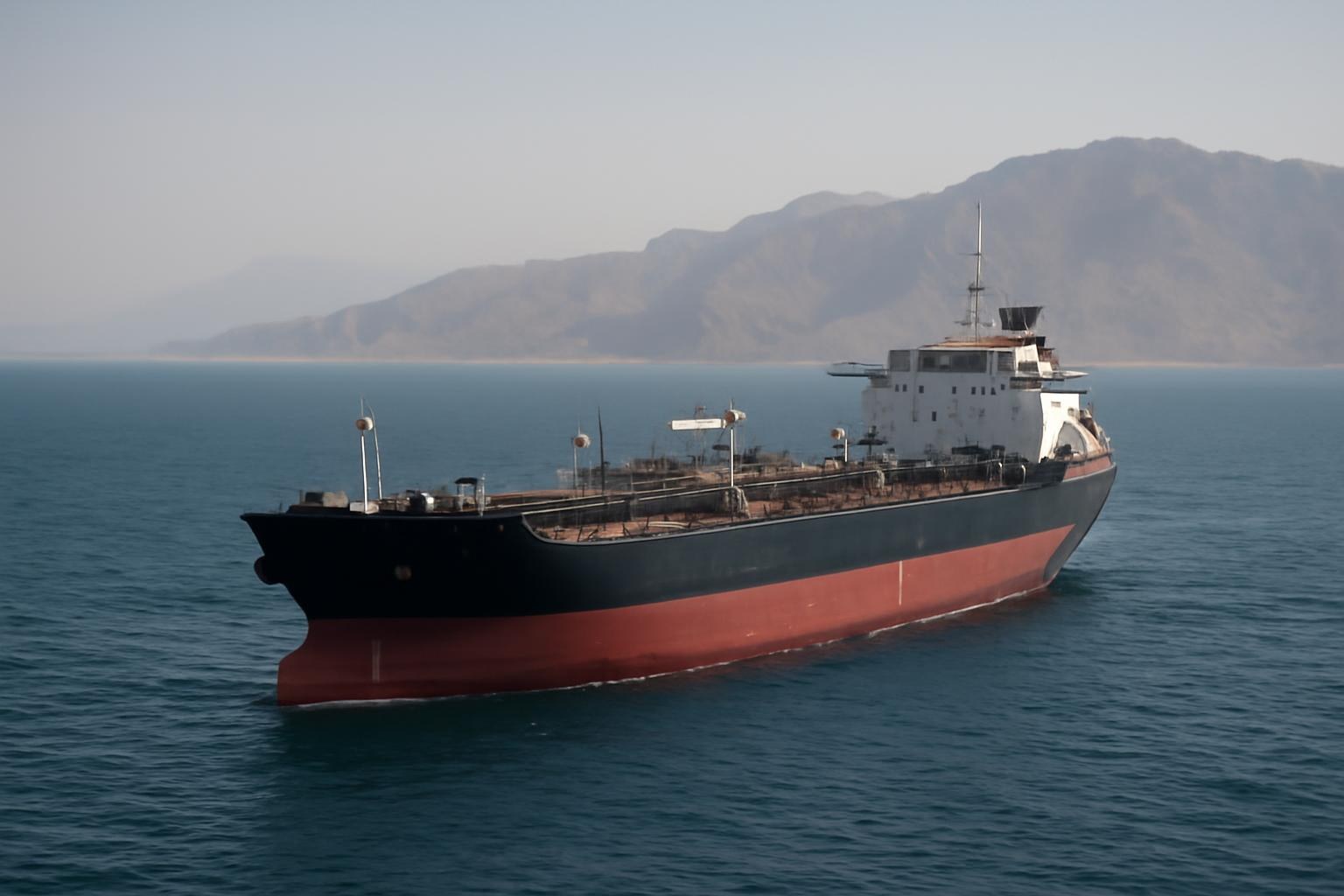
호르무즈 위기가 세계 에너지 시장의 취약성을 드러내다

게시일:2026-09-02 世界與新聞 Level 4
호르무즈 위기가 세계 에너지 시장의 취약성을 드러내다
01

About This Article

이 기사에 대하여
배경
호르무즈 해협은 페르시아만과 세계 에너지 시장을 연결하는 중요한 해상 통로로, 전 세계의 많은 석유와 액화천연가스 운송이 이곳을 통과한다. 이곳에서 발생하는 어떠한 안보 위기도 해운, 보험, 금융시장, 소비자 가격에 동시에 영향을 미칠 수 있으므로 전 세계적인 결과를 초래할 수 있다.
  • 호르무즈 위기가 세계 에너지 시장의 취약성을 부각하다
  • 해운 위험이 각국 경제로 빠르게 전이될 수 있다
  • 가격은 수요와 공급뿐 아니라 시장의 기대도 반영한다
  • 공급 다변화와 에너지 효율 향상이 충격을 줄이는 데 도움이 된다
02

Listen First

먼저 듣기
00:00 / 00:00
03

Reading

기사 읽기
English

The crisis surrounding the Strait of Hormuz has demonstrated how a geographically narrow passage can influence the global economy. The waterway connects major producers in the Persian Gulf with refineries and consumers across Asia, Europe, and other regions. A threat to shipping there would therefore be interpreted as a threat to the reliability of international energy trade.

Markets can react before a single tanker is physically delayed. Traders price in the possibility of military escalation, temporary closures, or stricter inspections, causing benchmark crude prices and freight rates to move rapidly. This anticipatory behavior can be economically rational, but it may also amplify volatility when information is incomplete or contradictory.

Energy companies face several layers of exposure. They must consider whether vessels can pass safely, whether insurers will provide coverage, and whether ports in destination countries can handle redirected cargoes. A company may possess a long-term supply contract yet still struggle to receive the fuel if transportation infrastructure becomes unavailable.

Asian economies are especially important in this equation because many depend heavily on imported crude oil and liquefied natural gas. A shipping disruption could raise the cost of electricity, petrochemicals, aviation fuel, and manufactured goods. Governments might subsidize consumers temporarily, but prolonged subsidies can strain public budgets and weaken incentives to reduce demand.

Strategic reserves provide one buffer, though their effectiveness depends on quantity, quality, and release procedures. Oil stored in one country cannot instantly solve a shortage of specialized fuels in another, and natural gas is even harder to stockpile at scale. Emergency planning must consequently include alternative suppliers, flexible demand, and agreements for sharing information during a crisis.

The episode also reveals the difference between physical scarcity and perceived scarcity. Even if global production remains adequate, fear of future shortages can encourage hoarding, speculative trading, and precautionary purchasing. These responses may intensify price pressure and spread the effects of a regional security incident to economies with no direct connection to the waterway.

Reducing this fragility will require more than protecting ships with naval patrols. Countries can diversify import routes, improve energy efficiency, expand renewable power, and strengthen regional electricity connections. No single measure can eliminate geopolitical risk, but a system with multiple suppliers, lower demand, and flexible infrastructure is better positioned to absorb a shock without allowing it to become a worldwide economic crisis.

한국어 번역

호르무즈 해협을 둘러싼 위기는 지리적으로 좁은 통로 하나가 세계 경제에 어떤 영향을 미칠 수 있는지를 보여 주었다. 이 수로는 페르시아만의 주요 생산국들을 아시아, 유럽 및 기타 지역의 정유 시설과 소비자들에게 연결한다. 따라서 그곳의 해운에 대한 위협은 국제 에너지 무역의 신뢰성에 대한 위협으로 해석될 것이다.

시장에서는 유조선 한 척이 실제로 지연되기 전부터 반응이 나타날 수 있다. 거래자들은 군사적 긴장 고조, 일시적 봉쇄 또는 더욱 엄격한 검사의 가능성을 가격에 반영하고, 그 결과 기준 원유 가격과 운임이 빠르게 움직인다. 이러한 선제적 행동은 경제적으로 합리적일 수 있지만, 정보가 불완전하거나 서로 모순될 때에는 변동성을 더욱 키울 수도 있다.

에너지 기업들은 여러 층위의 위험에 노출되어 있다. 선박이 안전하게 통과할 수 있는지, 보험사가 보험을 제공할 것인지, 목적지 국가의 항구가 우회 운송된 화물을 처리할 수 있는지를 고려해야 한다. 어떤 기업이 장기 공급 계약을 보유하고 있더라도 운송 인프라를 이용할 수 없게 되면 연료를 공급받는 데 어려움을 겪을 수 있다.

아시아 경제권은 많은 국가가 수입 원유와 액화천연가스에 크게 의존하기 때문에 이 문제에서 특히 중요하다. 해운 차질은 전력, 석유화학 제품, 항공 연료 및 제조 상품의 비용을 높일 수 있다. 정부는 일시적으로 소비자에게 보조금을 지급할 수 있지만, 장기화된 보조금은 공공 예산에 부담을 주고 수요를 줄이려는 유인을 약화시킬 수 있다.

전략 비축유는 하나의 완충 장치를 제공하지만, 그 효과는 비축량, 품질 및 방출 절차에 달려 있다. 한 국가에 저장된 석유가 다른 국가의 특정 연료 부족을 즉시 해결할 수는 없으며, 천연가스는 대규모로 비축하기가 더욱 어렵다. 따라서 비상 계획에는 대체 공급업체, 유연한 수요 관리, 위기 상황에서 정보를 공유하기 위한 협정이 포함되어야 한다.

이번 사태는 물리적 희소성과 인식된 희소성의 차이도 보여 준다. 세계 생산량이 충분한 상태로 유지되더라도 미래의 부족에 대한 두려움은 사재기, 투기 거래 및 예방적 구매를 부추길 수 있다. 이러한 반응은 가격 압력을 intensify하고, 지역 안보 사건의 영향을 해당 수로와 직접적인 관련이 없는 경제권으로 확산시킬 수 있다.

이러한 취약성을 줄이려면 해군 순찰로 선박을 보호하는 것 이상의 조치가 필요하다. 각국은 수입 경로를 다변화하고, 에너지 효율을 개선하며, 재생에너지 발전을 확대하고, 지역 전력망 연결을 강화할 수 있다. 어떤 단일 조치도 지정학적 위험을 없앨 수는 없지만, 여러 공급업체와 더 낮은 수요, 유연한 인프라를 갖춘 시스템은 충격을 흡수하여 그것이 세계적인 경제 위기로 발전하는 것을 막을 가능성이 더 높다.

04

Key Words

핵심 단어·구
5 개
05

Expressions

관용 표현
5 개
06

Practice

이해도 테스트
5 문항 +토론 3문항
0 /0문항

1 Why is the Strait of Hormuz important to international energy trade?
정답입니다. 오답입니다. 정답은 초록색으로 표시했습니다.
2 How can markets react before a tanker is delayed?
정답입니다. 오답입니다. 정답은 초록색으로 표시했습니다.
3 Why might a company with a long-term supply contract still fail to receive fuel?
정답입니다. 오답입니다. 정답은 초록색으로 표시했습니다.
4 What problem can prolonged consumer subsidies create?
정답입니다. 오답입니다. 정답은 초록색으로 표시했습니다.
5 Which combination could make energy markets more able to absorb a shock?
정답입니다. 오답입니다. 정답은 초록색으로 표시했습니다.

Discussion

질문과 토론
3 문항

아래 질문에는 정답이 없습니다. 영어로 자신의 생각을 한 문항당 3~5문장으로 말해 보세요.

  1. 1 Which energy-security measures should governments prioritize if shipping through a strategic waterway becomes uncertain?
  2. 2 How can policymakers reduce panic-driven purchasing without hiding important information from the public?
  3. 3 What trade-offs might arise when a country diversifies suppliers and invests in renewable energy at the same time?