
When temperatures rise, daily life can change quickly. People may wake up early to walk, shop, or work outside before the sun becomes too strong. Many schools and offices close early on very hot days. Outdoor sports may also move to the morning or be canceled.
Heat changes the way people travel, too. Some people take buses or trains instead of walking in the hot sun. Others carry hats, umbrellas, and small bottles of water. People try to stay out of the sun, especially between noon and three o'clock.
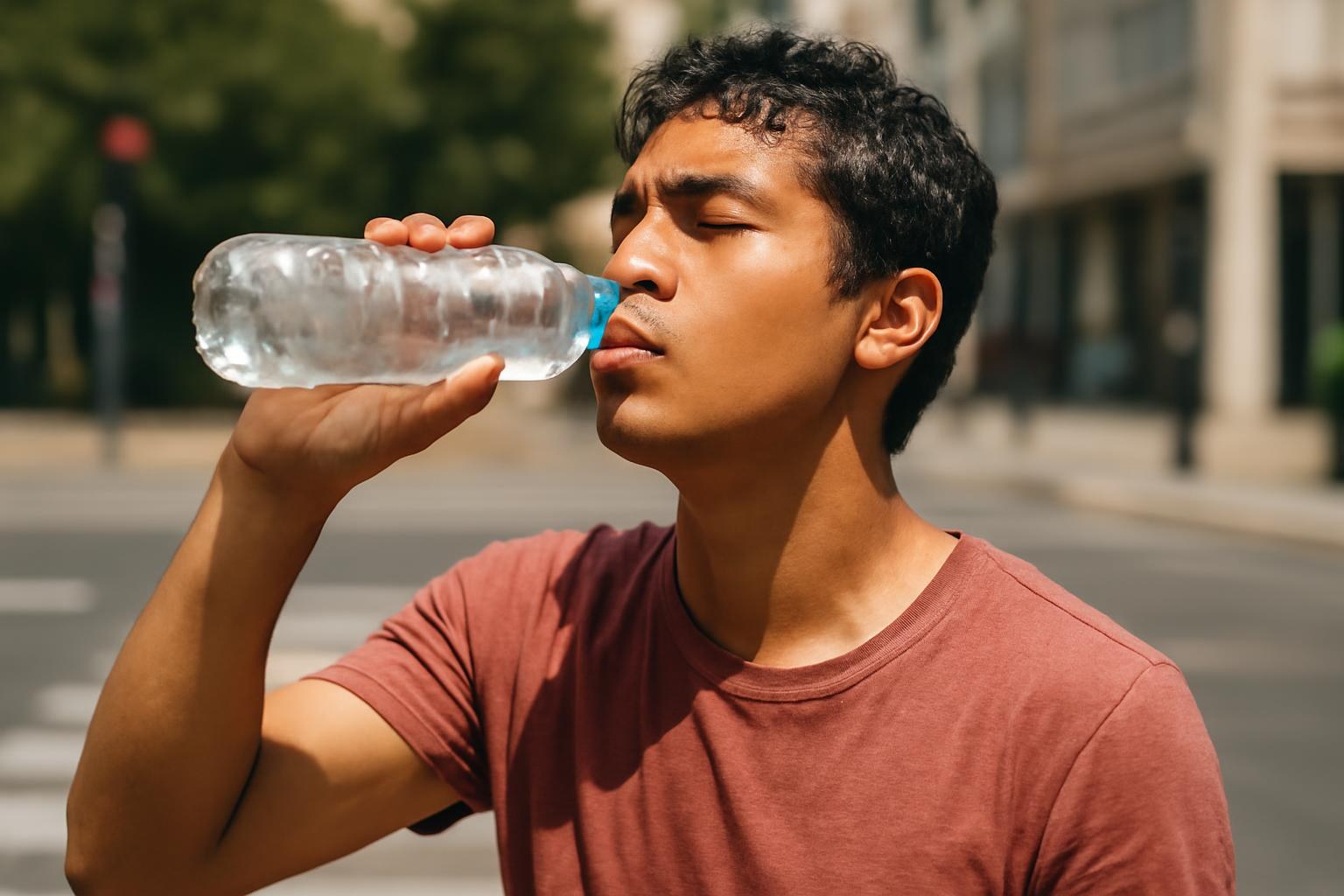
Water is very important during extreme heat. Doctors say to drink plenty of water, even when you do not feel thirsty. A cool room, a fan, or a wet towel can help the body feel better. People should also wear light clothes and take short breaks.
Older people, babies, and sick people need extra care in hot weather. Families take care of older family members by calling them and checking their homes. Some cities open cool places where people can sit and drink water. These places are helpful for people who do not have air conditioning.
In the evening, many families open their windows and go outside for a short time. However, the air may still be hot, so people should continue to be careful. Simple choices can lower the danger of heat. By changing their schedule and helping others, communities can stay safer during very hot days.