
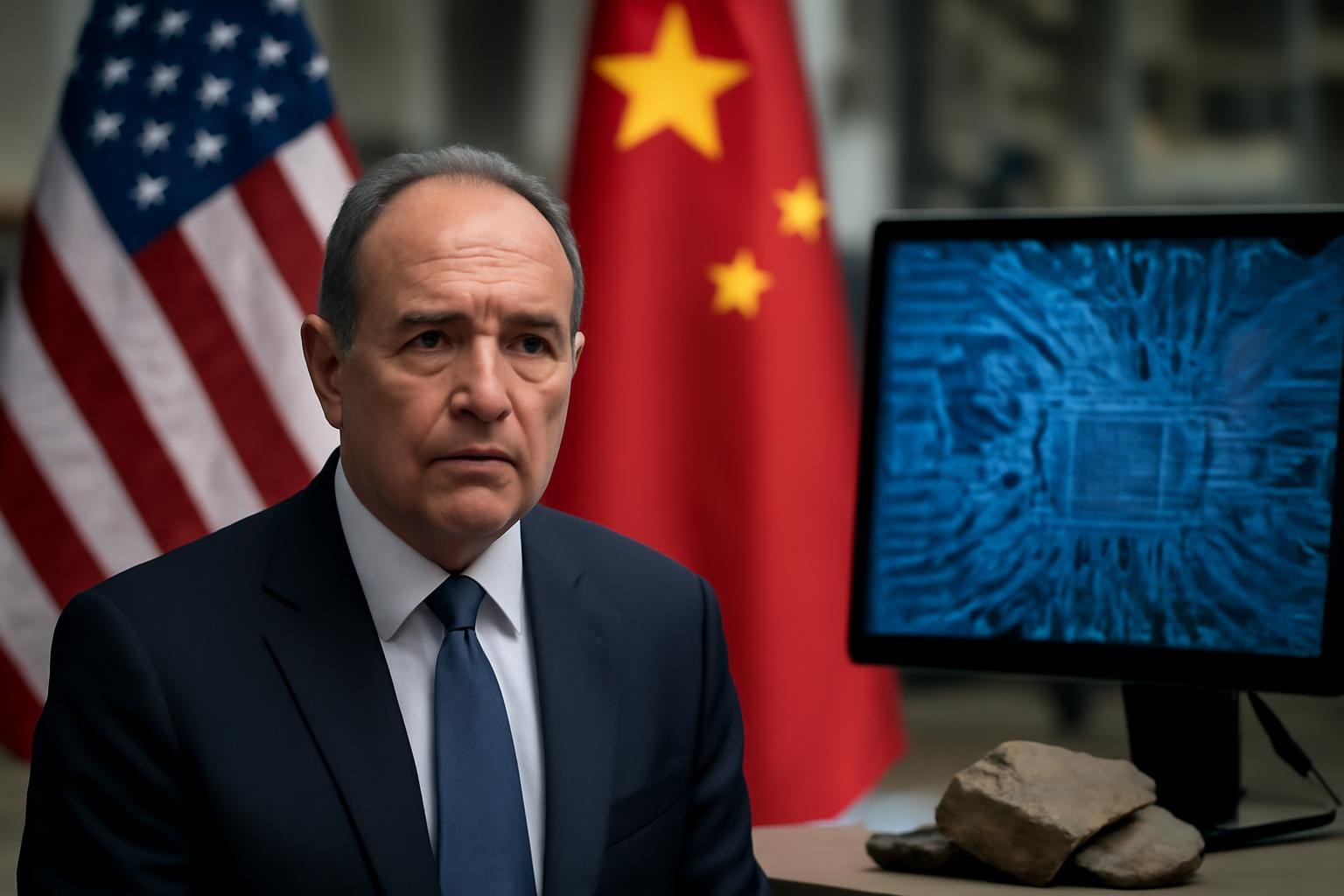
미·중 경쟁, 기술과 희토류로 확대되다

게시일:2026-09-02 世界與新聞 Level 3
미·중 경쟁, 기술과 희토류로 확대되다
01

About This Article

이 기사에 대하여
배경
미국과 중국의 경쟁은 관세와 전통적인 군사력뿐 아니라 첨단 기술, 반도체, 인공지능, 희토류를 둘러싼 경제·안보 경쟁으로 확대되고 있다. 양국의 정책 변화는 기업의 공급망과 국제 협력에도 큰 영향을 미치고 있다.
  • 1. 미·중 경쟁의 확대
  • 2. 미국의 대중국 반도체 수출 통제
  • 3. 중국의 대응과 희토류 가공
  • 4. 희토류의 용도와 공급망 구축의 어려움
  • 5. 양국의 공급망 의존도 축소 노력
  • 6. 기업이 직면한 복잡한 환경
  • 7. 경쟁의 기회와 위험, 협력의 필요성
02

Listen First

먼저 듣기
00:00 / 00:00
03

Reading

기사 읽기
English

The rivalry between the United States and China is no longer limited to tariffs or traditional military power. It increasingly involves advanced technology, computer chips, artificial intelligence, and rare earth materials. These areas are important because they influence both economic growth and national security.

The United States has placed controls on the export of some advanced chips and chip-making equipment to China. Washington says the measures are designed to slow the development of technologies that could strengthen the Chinese military. American officials also want to protect a lead in industries that may shape future communications, transportation, and defense systems.

China has criticized these restrictions as an attempt to contain its development. In response, Beijing has strengthened support for domestic semiconductor companies and increased attention to important minerals. China remains a major processor of many rare earth elements, even though these materials are mined in several countries.

Rare earths are a group of metals used in products such as electric vehicles, wind turbines, smartphones, radar systems, and precision weapons. They are not always rare in the ground, but separating and processing them is technically difficult. Building new supply chains can take years because companies need investment, skilled workers, environmental permits, and reliable customers.

Both governments are encouraging companies to reduce dependence on the other side. The United States is offering financial support for chip factories and seeking closer partnerships with allies in Europe and Asia. China is investing in research, domestic production, and alternative suppliers while trying to protect its position in global manufacturing.

Businesses face a complicated environment as a result. They must consider not only price and efficiency but also export rules, political risk, and the possibility of sudden shortages. Some companies are adopting a “China plus one” strategy, keeping operations in China while developing additional facilities in countries such as Vietnam, India, or Mexico.

The competition may produce useful investment, but it also carries serious risks. Separate technology systems could raise costs and slow international research, while resource restrictions might harm industries far from the original dispute. Cooperation will remain difficult, yet agreements on scientific exchange, environmental standards, and crisis communication could prevent rivalry from becoming a wider economic conflict.

한국어 번역

미국과 중국의 경쟁은 더 이상 관세나 전통적인 군사력에만 국한되지 않는다. 이제 경쟁은 첨단 기술, 컴퓨터 칩, 인공지능, 희토류 자원으로 점점 확대되고 있다. 이러한 분야가 중요한 이유는 경제 성장과 국가 안보 모두에 영향을 미치기 때문이다.

미국은 일부 첨단 칩과 칩 제조 장비의 중국 수출을 통제하고 있다. 워싱턴은 이러한 조치가 중국군을 강화할 수 있는 기술의 발전을 늦추기 위한 것이라고 말한다. 미국 관리들은 또한 미래의 통신, 교통, 국방 시스템을 형성할 수 있는 산업에서 미국이 앞선 위치를 지키기를 원한다.

중국은 이러한 제한을 자국의 발전을 억제하려는 시도라고 비판했다. 이에 대응해 중국 정부는 국내 반도체 기업에 대한 지원을 강화하고 중요 광물에 대한 관심도 높였다. 희토류 원소는 여러 나라에서 채굴되지만, 중국은 여전히 많은 희토류 원소의 주요 가공국이다.

희토류는 전기차, 풍력 터빈, 스마트폰, 레이더 시스템, 정밀 무기와 같은 제품에 사용되는 금속 집단이다. 희토류는 지하에 항상 희귀하게 존재하는 것은 아니지만, 이를 분리하고 가공하는 일은 기술적으로 어렵다. 새로운 공급망을 구축하는 데는 수년이 걸릴 수 있는데, 기업에는 투자, 숙련된 인력, 환경 허가, 신뢰할 수 있는 고객이 필요하기 때문이다.

양국 정부는 모두 기업들이 상대방에 대한 의존도를 줄이도록 장려하고 있다. 미국은 칩 공장에 재정 지원을 제공하고 유럽과 아시아의 동맹국들과 더욱 긴밀한 협력 관계를 모색하고 있다. 중국은 연구, 국내 생산, 대체 공급업체에 투자하는 한편 세계 제조업에서 자국의 입지를 지키기 위해 노력하고 있다.

그 결과 기업들은 복잡한 환경에 직면하게 되었다. 기업들은 가격과 효율성뿐만 아니라 수출 규정, 정치적 위험, 갑작스러운 부족 가능성도 고려해야 한다. 일부 기업은 중국에서 사업을 유지하면서 베트남, 인도, 멕시코와 같은 국가에 추가 시설을 개발하는 ‘차이나 플러스 원’ 전략을 채택하고 있다.

이 경쟁은 유용한 투자를 촉진할 수 있지만 심각한 위험도 수반한다. 서로 분리된 기술 체계는 비용을 높이고 국제 연구를 늦출 수 있으며, 자원 제한은 원래의 분쟁에서 멀리 떨어진 산업에도 피해를 줄 수 있다. 협력은 여전히 어려울 것이지만, 과학 교류, 환경 기준, 위기 소통에 관한 합의는 경쟁이 더 광범위한 경제 갈등으로 번지는 것을 막을 수 있다.

04

Key Words

핵심 단어·구
5 개
05

Expressions

관용 표현
5 개
06

Practice

이해도 테스트
5 문항 +토론 3문항
0 /0문항

1 Which areas are increasingly part of the U.S.-China rivalry?
정답입니다. 오답입니다. 정답은 초록색으로 표시했습니다.
2 Why does the United States control some chip exports to China?
정답입니다. 오답입니다. 정답은 초록색으로 표시했습니다.
3 Why can new rare-earth supply chains take years to build?
정답입니다. 오답입니다. 정답은 초록색으로 표시했습니다.
4 What does a “China plus one” strategy involve?
정답입니다. 오답입니다. 정답은 초록색으로 표시했습니다.
5 What risk may result from separate technology systems?
정답입니다. 오답입니다. 정답은 초록색으로 표시했습니다.

Discussion

질문과 토론
3 문항

아래 질문에는 정답이 없습니다. 영어로 자신의 생각을 한 문항당 3~5문장으로 말해 보세요.

  1. 1 How should companies decide whether to move part of their production to another country?
  2. 2 What advantages and disadvantages could stronger technology controls create?
  3. 3 How can countries protect national security while continuing useful scientific cooperation?