
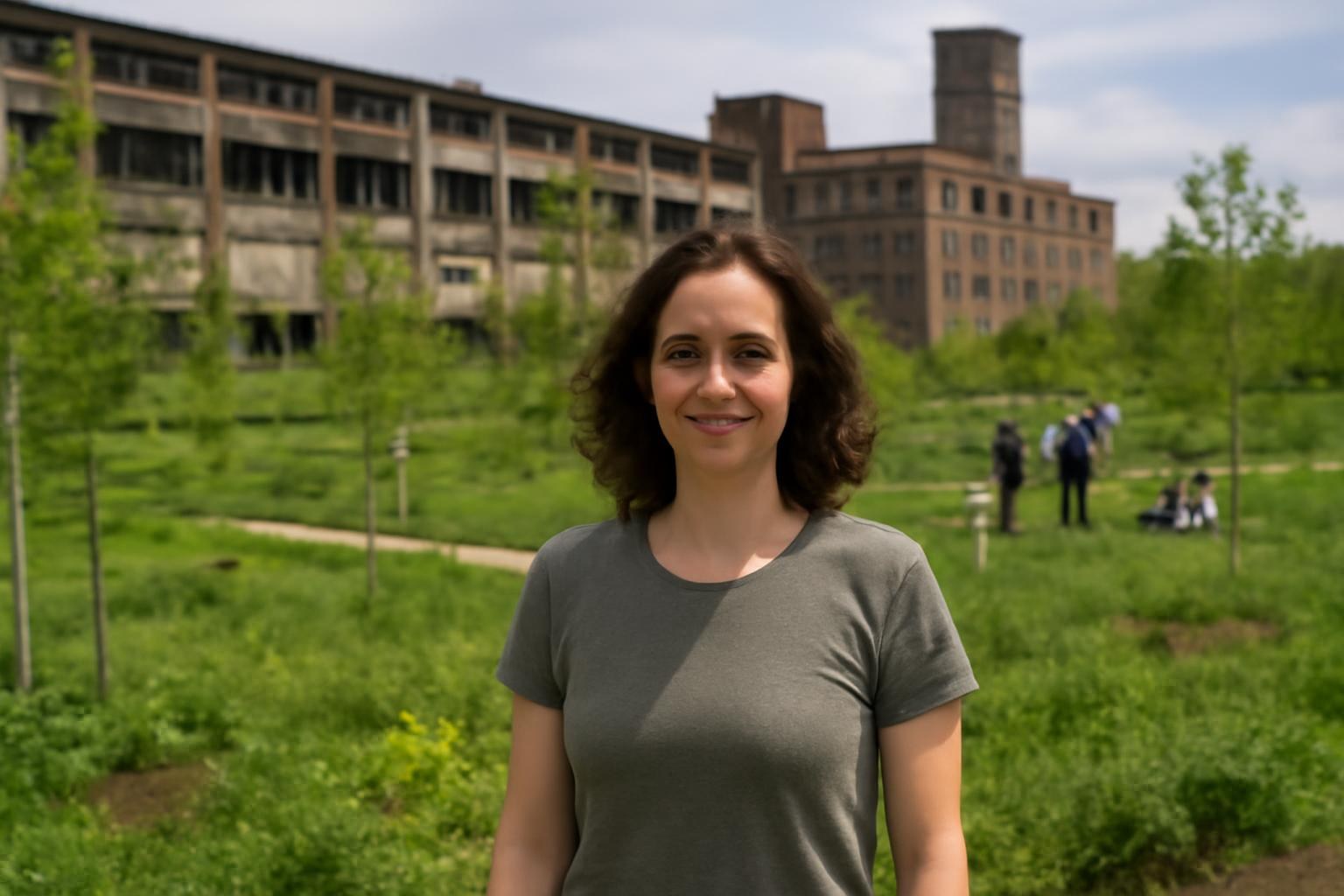
For years, a shuttered factory in southern Taiwan stood empty on the exact site where a thriving community had once worked and played. Covering twelve full acres in the heart of a residential neighborhood, the abandoned building had turned into a complete mess—piles of broken equipment, wild weeds, and layers of dust filled the compound. The unhappy residents nearby had long demanded change, but no solution was in sight.
The factory owner's flat refusal to sell or renovate the property left local officials with no good options. Many residents felt upset by the government's slow response, and some reported feeling mentally exhausted from years of fighting the system. A prominent local surgeon, Dr. Chen Wei, who regularly treated patients suffering from respiratory problems caused by pollution, warned that living next to such a site placed every neighbor at a clear disadvantage. "This situation cannot go on," he said at a packed community meeting.
Determined to act, a group of residents arranged to have a conversation with city council members about taking over the property. They also reached out to a navy veterans' charitable foundation, which agreed to sponsor the cleanup and transformation project. A well-known flour company in the district joined as a co-sponsor, offering funding and weekend volunteers. What the residents did was turn their growing frustration into a powerful public campaign that drew attention from media across the country.
Then came an unexpected twist. During a routine inspection of the property, engineers discovered that the basement of the old factory contained ceramic artifacts dating back to the Japanese colonial period. This remarkable finding gave the city government the legal liberty to designate the entire site as a cultural heritage zone. Faced with this new development, the factory owner had no choice but to fold and hand the land over to public management.
Today, the transformed land is a blanket of vegetable gardens, flower beds, and open green spaces. On weekend mornings, the sound of laughter fills the air as children run between the garden plots and crouch down to examine the many insects living in the soil. Elderly residents sit on wooden benches with grandchildren on their laps, enjoying the sun. Community members who want to improve their farming skills tune in to weekly podcasts and local workshops about urban agriculture.
Experts say that green spaces have an impact on both physical and mental well-being. Many volunteers who had once given up on the project have come back with fresh enthusiasm. A local university professor noted that the case showed exactly when citizen action can change public policy—when residents speak with one voice and refuse to back down. What a neighborhood does is remind city planners that the people's liberty to shape their own environment must always be protected.