
From Rubble to Green: How a Community Reclaimed Its Liberty

發布日期:2026-09-05 高中英文篇 Level 3
From Rubble to Green: How a Community Reclaimed Its Liberty
01

About This Article

關於這篇文章
背景
在台灣部分都市地區,廢棄的工業廠房常因產權糾紛或業主拒絕配合,長年閒置並對周邊居民造成環境與健康威脅。本篇以一座廢棄工廠的改造案例為主軸,描述居民如何透過集體行動、尋求贊助與意外的考古發現,最終將荒廢土地轉型為社區綠地,並探討公民行動如何影響城市公共政策的走向,適合高中生討論環境議題與公民責任。
  • 廢棄工廠占地十二英畝,長年淪為社區環境亂象
  • 業主拒絕配合,外科醫師揭示健康不利處境
  • 居民聯合海軍慈善基金會與麵粉公司共同贊助改造計畫
  • 地下室考古發現成為法律突破口,業主被迫放棄土地
  • 綠地重建讓社區重拾歡笑,對身心健康產生深遠影響
02

Listen First

先聽文章
00:00 / 00:00
03

Reading

閱讀文章
English

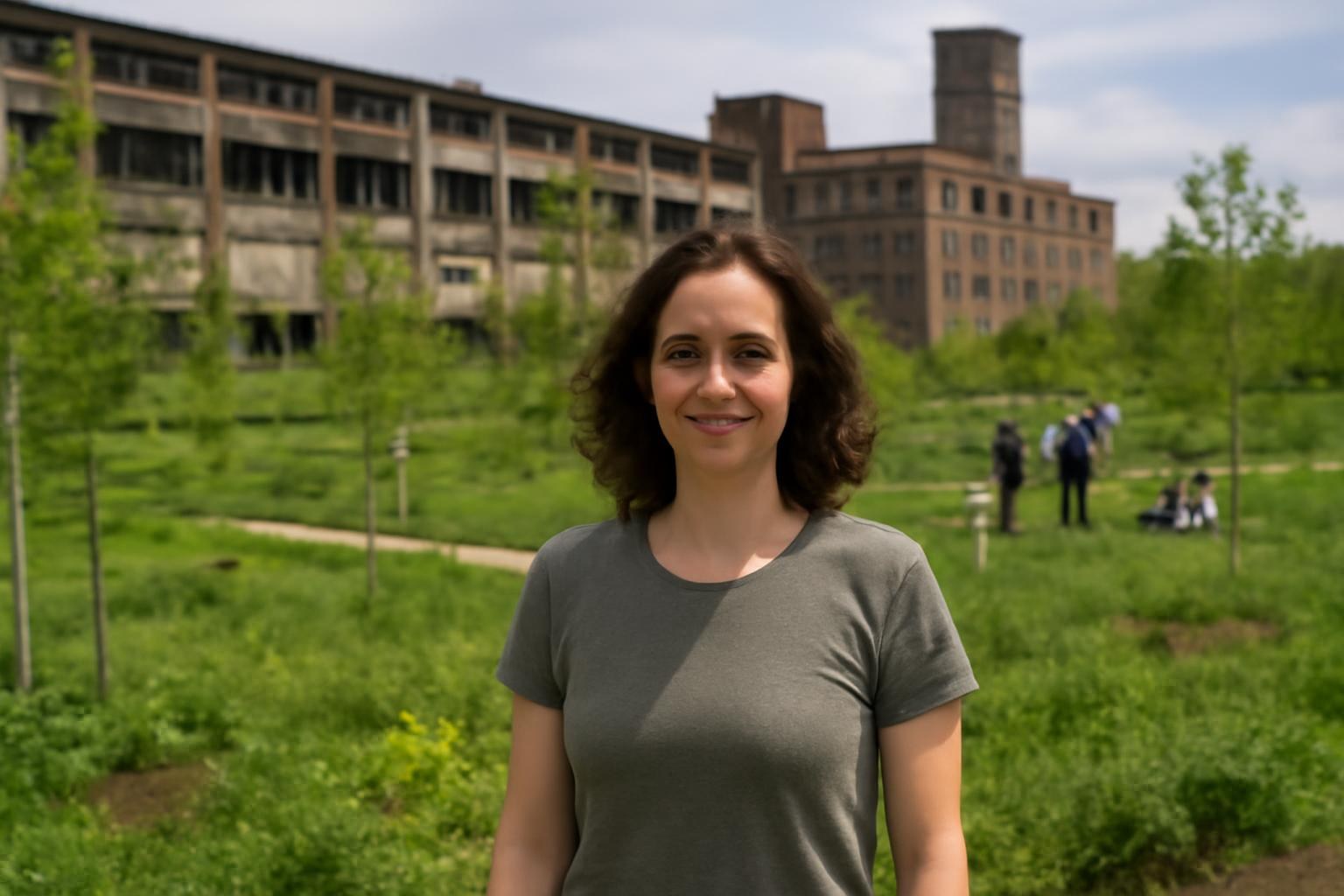
For years, a shuttered factory in southern Taiwan stood empty on the exact site where a thriving community had once worked and played. Covering twelve full acres in the heart of a residential neighborhood, the abandoned building had turned into a complete mess—piles of broken equipment, wild weeds, and layers of dust filled the compound. The unhappy residents nearby had long demanded change, but no solution was in sight.

The factory owner's flat refusal to sell or renovate the property left local officials with no good options. Many residents felt upset by the government's slow response, and some reported feeling mentally exhausted from years of fighting the system. A prominent local surgeon, Dr. Chen Wei, who regularly treated patients suffering from respiratory problems caused by pollution, warned that living next to such a site placed every neighbor at a clear disadvantage. "This situation cannot go on," he said at a packed community meeting.

Determined to act, a group of residents arranged to have a conversation with city council members about taking over the property. They also reached out to a navy veterans' charitable foundation, which agreed to sponsor the cleanup and transformation project. A well-known flour company in the district joined as a co-sponsor, offering funding and weekend volunteers. What the residents did was turn their growing frustration into a powerful public campaign that drew attention from media across the country.

Then came an unexpected twist. During a routine inspection of the property, engineers discovered that the basement of the old factory contained ceramic artifacts dating back to the Japanese colonial period. This remarkable finding gave the city government the legal liberty to designate the entire site as a cultural heritage zone. Faced with this new development, the factory owner had no choice but to fold and hand the land over to public management.

Today, the transformed land is a blanket of vegetable gardens, flower beds, and open green spaces. On weekend mornings, the sound of laughter fills the air as children run between the garden plots and crouch down to examine the many insects living in the soil. Elderly residents sit on wooden benches with grandchildren on their laps, enjoying the sun. Community members who want to improve their farming skills tune in to weekly podcasts and local workshops about urban agriculture.

Experts say that green spaces have an impact on both physical and mental well-being. Many volunteers who had once given up on the project have come back with fresh enthusiasm. A local university professor noted that the case showed exactly when citizen action can change public policy—when residents speak with one voice and refuse to back down. What a neighborhood does is remind city planners that the people's liberty to shape their own environment must always be protected.

中文翻譯

多年來,台灣南部一間廢棄工廠孤零零地佇立在社區曾經充滿活力的確切位置上。這片廢墟佔地整整十二英畝,坐落在住宅區的核心地帶,廠房內堆滿了破損設備、叢生雜草與厚厚的灰塵,早已成為一片令人憂心的亂象。附近不滿現狀的居民長年要求改變,卻始終看不到任何解決的跡象。

工廠業主斷然拒絕出售或整修廠房,讓地方官員陷入兩難。許多居民對政府遲緩的回應感到憤懣,甚至有人坦言在與體制抗爭多年後,已感到精神上的筋疲力竭。當地知名外科醫師陳威博士長年治療因污染引發呼吸道疾病的患者,他在一場座無虛席的社區會議上提出警告:住在這樣的廢棄地旁邊,無疑讓每一位鄰居都處於健康上的不利處境。他說:「這樣的情況不能再繼續下去了。」

下定決心採取行動的居民,安排與市議員展開一場正式的對話,商討如何接管這片土地。他們同時聯繫了一個海軍退役軍人慈善基金會,該基金會同意贊助清理與改造計畫。當地一家知名的麵粉公司也加入共同贊助,提供資金與週末志工。居民所做的,就是將自身累積的挫折感,轉化為一波引發全國媒體關注的強大公民行動。

接著,出現了一個意想不到的轉折。在一次例行性的廠房勘查中,工程師發現舊工廠的地下室保存著可追溯至日治時期的陶器文物。這個驚人的發現,給了市政府以文化遺產區為由接管整片土地的法定依據。面對這樣的新發展,工廠業主別無選擇,只能放棄,將這片土地正式移交公眾管理。

如今,這片改造後的土地猶如一張覆蓋大地的綠色毯子,處處是蔬菜園圃、花圃與開闊的綠地。每逢週末早晨,歡笑聲在空氣中迴盪,孩子們在菜園間奔跑,蹲下來仔細觀察土壤中棲息的昆蟲。年長的居民坐在木製長椅上,讓孫子坐在膝上,享受陽光的溫暖。想要提升農耕技能的社區成員,則會收聽每週更新的都市農業播客與參加在地工作坊。

專家指出,綠色空間對身心健康都會產生影響。許多曾一度放棄這個計畫的志工,如今帶著滿滿的熱忱再次回歸。當地一位大學教授表示,這個案例正好說明了公民行動能夠改變公共政策的關鍵時機——就在居民以同一個聲音發聲、堅定不退讓之時。社區所做的事,正是提醒都市規劃者:人民自由地塑造自身生活環境的權利,永遠值得被守護。

04

Key Words

重點詞彙片語
15 個
05

Expressions

慣用句
5 則
06

Practice

課後測驗
8 題 +討論 2 題
0 /0 題

1 Why did the residents contact a navy veterans' foundation and a flour company?
答對了! 答錯了,正確答案以綠色標示。
2 What discovery gave the city government the legal liberty to take over the factory site?
答對了! 答錯了,正確答案以綠色標示。
3 According to experts mentioned in the article, what effect do green spaces have?
答對了! 答錯了,正確答案以綠色標示。
4 The factory owner's flat to sell or renovate the property left local officials with no good options.
答對了! 答錯了,正確答案以綠色標示。
5 Today, the transformed land is a of vegetable gardens, flower beds, and open green spaces.
答對了! 答錯了,正確答案以綠色標示。
6 Faced with the government's new ruling, the factory owner had no choice but to and hand over the land.
答對了! 答錯了,正確答案以綠色標示。
7 A group of residents arranged to a conversation with city council members about taking over the property.
答對了! 答錯了,正確答案以綠色標示。
8 the residents did was turn their growing frustration into a powerful public campaign.
答對了! 答錯了,正確答案以綠色標示。

Discussion

問題與討論
2 題

以下問題沒有標準答案,請試著用英文說出自己的想法,一題講三到五句話。

  1. 1 The residents in this article worked together to transform an abandoned factory into a community green space. Have you ever participated in a community project or volunteer activity? Please describe what you did and what impact it had on you or the people around you.
  2. 2 The article says that green spaces have an impact on both physical and mental well-being. Do you think cities in Taiwan should invest more in parks and community gardens? What are the advantages and disadvantages of doing so? Please share your opinion with specific reasons.