
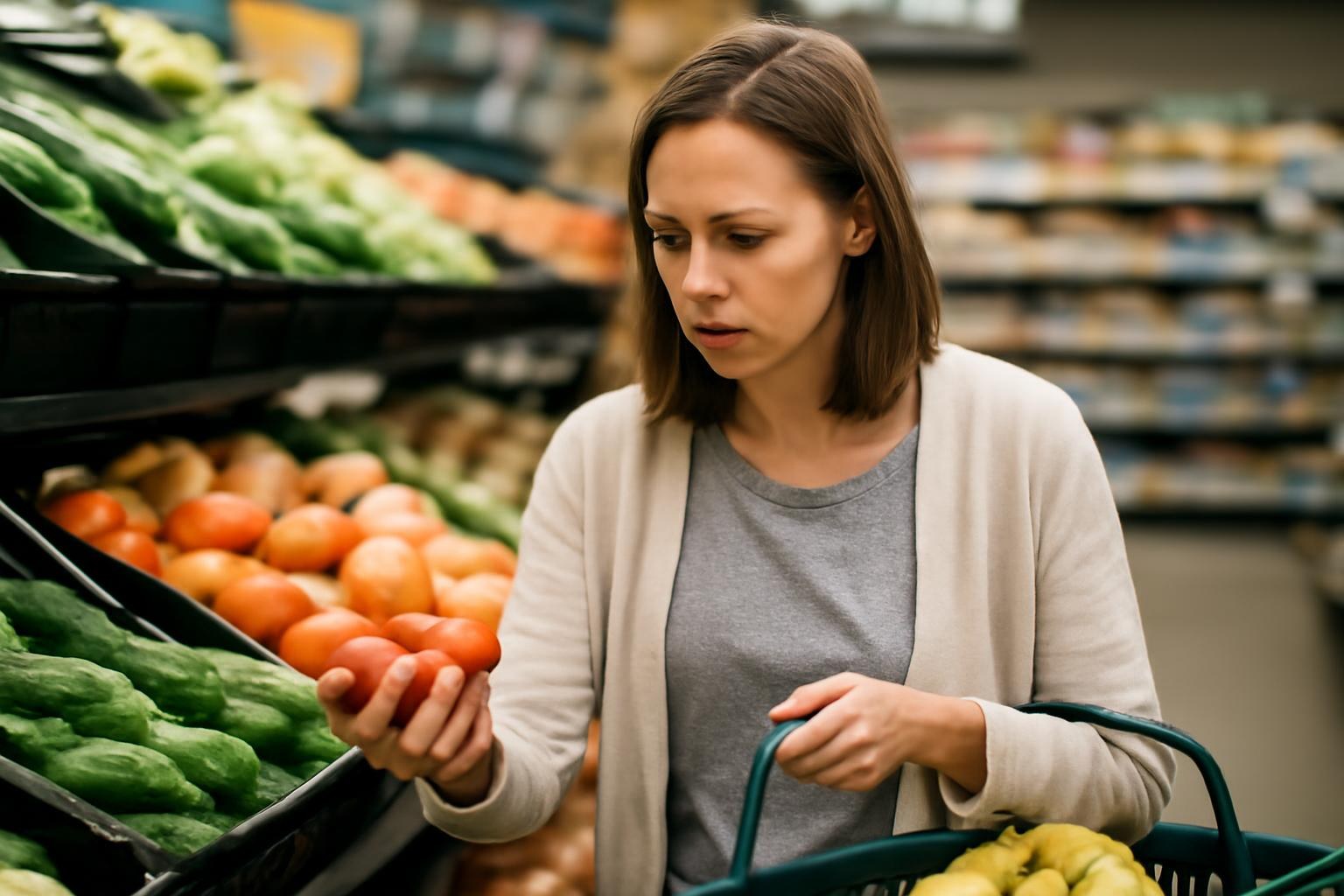
Food prices can affect everyone because all people need to eat. When the price of rice, bread, or vegetables goes up, families may need to change their shopping plans. Restaurants and schools may also pay more for food.
Many things can change food prices. Bad weather may hurt crops or reduce the amount of food on farms. If there is less food but the same number of buyers, the price may rise.
Transport is another important part of the price. Food often travels by truck, ship, or train before it reaches a store. Higher fuel costs can make this trip more expensive, and stores may pass the cost to customers.
Workers, packages, and store rent also affect the final price. A farmer needs money for seeds and water, while a store needs money for staff and power. Each small cost can become part of the price that people see on a shelf.
When prices rise, people may buy less, choose a cheaper brand, or cook more meals at home. Governments and communities can also help families in need. Understanding food prices helps people make better choices and see why changes at a farm or market can affect daily life.