
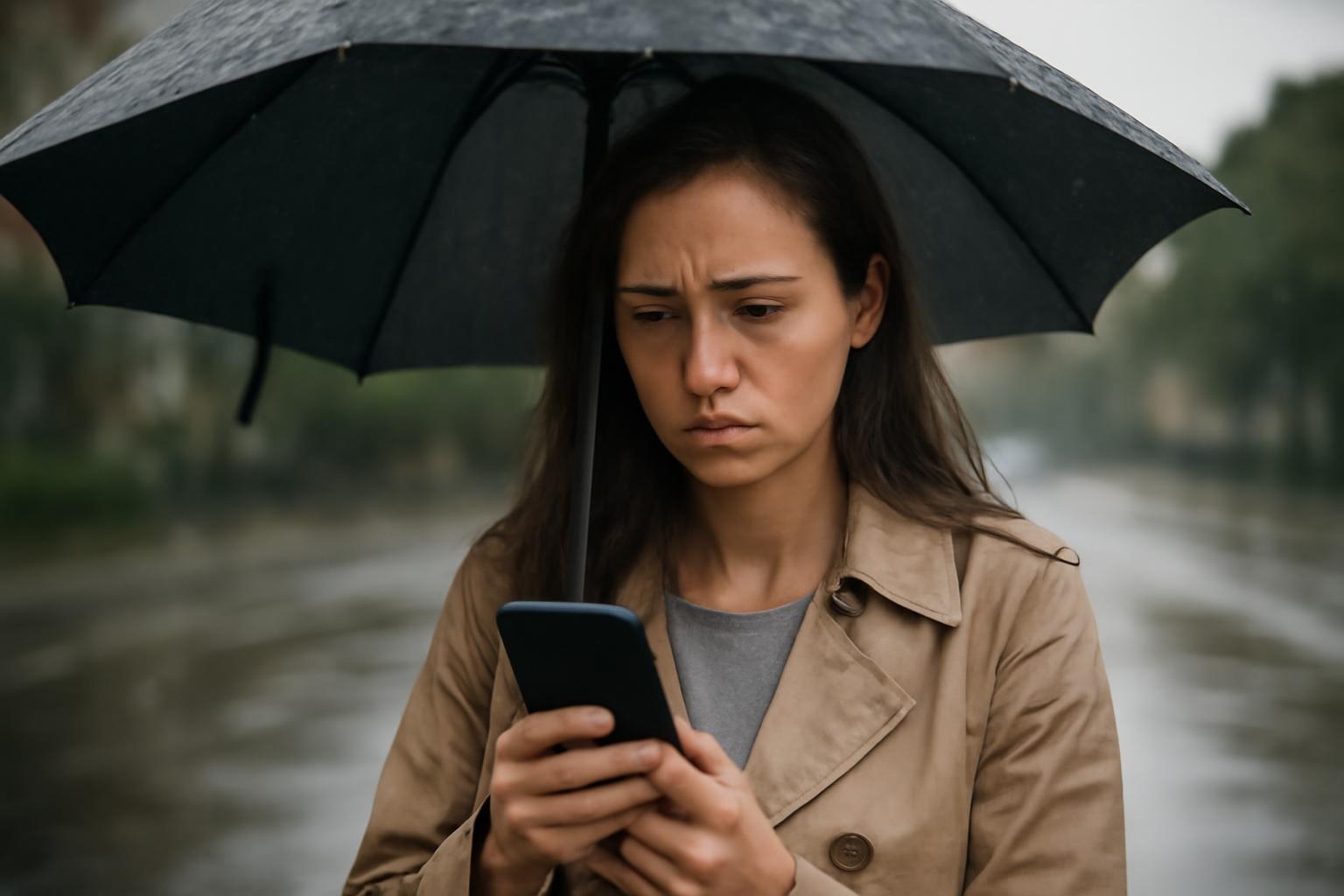
날씨가 여행 계획을 바꿀 때

게시일:2026-09-05 旅遊英文 Level 3
날씨가 여행 계획을 바꿀 때
01

About This Article

이 기사에 대하여
배경
자유 여행자에게 날씨는 가장 예측하기 어려운 변수 중 하나입니다. 태풍, 폭우, 강풍은 짧은 시간 안에 전체 일정을 뒤흔들어 놓을 수 있습니다. 날씨가 갑자기 변하는 상황을 영어로 처리하는 방법—예보 확인, 항공권 변경, 환불 신청, 임시 실내 명소로의 변경 등—은 현대 여행자에게 필수적인 능력입니다.
  • 출발 전 매일 날씨 예보를 확인하는 습관 기르기
  • 악천후로 항공편이 취소되었을 때 올바른 대처 방법
  • 유연한 일정을 준비하고 미리 실내 대체 명소 찾아두기
  • 여유로운 마음으로 여행의 모든 순간을 충분히 즐기기
02

Listen First

먼저 듣기
00:00 / 00:00
03

Reading

기사 읽기
English

When traveling abroad on your own, one of the most important habits you can develop is to check the forecast every morning before heading out. Weather conditions can change without warning, and being caught unprepared in heavy rain can ruin even the best-planned day. In regions such as Southeast Asia or East Asia, especially during typhoon season, a typhoon is approaching before you even realize it, and delays or cancellations can follow within hours.

If your flight has been cancelled due to bad weather, do not panic. The first step is to contact the airline as soon as possible to reschedule your flight or request a refund. Most carriers are required to offer these options when disruptions are caused by severe weather conditions. Having travel insurance also makes it significantly easier to recover the costs of missed tours, hotels, and transportation that were part of your original itinerary.

Instead of spending the day feeling frustrated, experienced travelers always have a plan B ready. A flexible itinerary is one of the most valuable tools you can bring on any trip. Should the weather turn bad, switching to indoor alternatives such as museums, art galleries, or local food markets can still give you a rich and memorable experience. These options also allow you to interact with locals and discover a side of the destination that you might have otherwise missed.

Being prepared for unexpected changes in the weather goes beyond simply carrying an umbrella. Before your trip, research indoor attractions in every city on your schedule and save their addresses on your phone. When things do not go as planned, staying calm and trusting your backup plan will help you make the most of every moment. After all, the most memorable journeys are often the ones where something unexpected happened and you handled it gracefully.

한국어 번역

혼자 해외여행을 할 때, 기를 수 있는 가장 중요한 습관 중 하나는 매일 아침 외출 전에 날씨 예보를 확인하는 것입니다. 날씨는 예고 없이 바뀔 수 있으며, 폭우 속에서 준비 없이 당하면 아무리 잘 짜인 하루도 망칠 수 있습니다. 동남아시아나 동아시아 등의 지역, 특히 태풍 시즌에는 인식하기도 전에 태풍이 다가오고, 몇 시간 안에 지연이나 취소가 연이어 발생할 수 있습니다.

악천후로 항공편이 취소되었다면 당황하지 마세요. 첫 번째 단계는 가능한 한 빨리 항공사에 연락하여 항공편을 변경하거나 환불을 요청하는 것입니다. 대부분의 항공사는 악천후로 인한 운항 차질이 발생했을 때 이러한 옵션을 제공할 의무가 있습니다. 여행자 보험이 있으면 원래 일정에 포함된 투어, 호텔, 교통비 등 놓친 비용을 훨씬 쉽게 보상받을 수 있습니다.

하루를 답답하게 보내는 대신, 경험 많은 여행자는 항상 플랜 B를 준비해 둡니다. 유연한 일정은 여행에서 가져갈 수 있는 가장 가치 있는 도구 중 하나입니다. 날씨가 나빠지면 박물관, 미술관, 현지 식품 시장 같은 실내 대안으로 전환해도 풍부하고 기억에 남는 경험을 할 수 있습니다. 이러한 선택지는 현지인과 교류하고, 그냥 지나쳤을 수도 있는 목적지의 또 다른 면을 발견하게 해줍니다.

예상치 못한 날씨 변화에 대비하는 것은 단순히 우산을 챙기는 것 이상입니다. 여행 전에 일정에 포함된 각 도시의 실내 명소를 미리 조사하고 주소를 휴대폰에 저장해 두세요. 계획대로 되지 않을 때, 침착함을 유지하고 백업 플랜을 믿는 것이 모든 순간을 최대한 활용하는 데 도움이 됩니다. 결국, 가장 기억에 남는 여행은 예상치 못한 일이 생겼을 때 그것을 우아하게 헤쳐 나간 여행인 경우가 많습니다.

04

Key Words

핵심 단어·구
10 개
05

Expressions

관용 표현
4 개
06

Practice

이해도 테스트
6 문항 +토론 2문항
0 /0문항

1 According to the article, what should you do every morning before heading out when traveling abroad?
정답입니다. 오답입니다. 정답은 초록색으로 표시했습니다.
2 What does the article suggest as the first step if your flight is cancelled due to bad weather?
정답입니다. 오답입니다. 정답은 초록색으로 표시했습니다.
3 A typhoon is before you even realize it, and delays or cancellations can follow within hours.
정답입니다. 오답입니다. 정답은 초록색으로 표시했습니다.
4 A itinerary is one of the most valuable tools you can bring on any trip.
정답입니다. 오답입니다. 정답은 초록색으로 표시했습니다.
5 the weather turn bad, switching to indoor alternatives can still give you a rich and memorable experience.
정답입니다. 오답입니다. 정답은 초록색으로 표시했습니다.
6 Staying calm and trusting your backup plan will help you the most of every moment.
정답입니다. 오답입니다. 정답은 초록색으로 표시했습니다.

Discussion

질문과 토론
2 문항

아래 질문에는 정답이 없습니다. 영어로 자신의 생각을 한 문항당 3~5문장으로 말해 보세요.

  1. 1 Have you ever had a travel plan seriously disrupted by bad weather or an unexpected event? What did you do to handle the situation, and what would you do differently next time?
  2. 2 The article says a flexible itinerary is one of the most valuable tools for any traveler. Do you agree? How do you usually plan your trips — do you prefer a detailed schedule or a more open and adaptable plan? Please explain your reasons.