
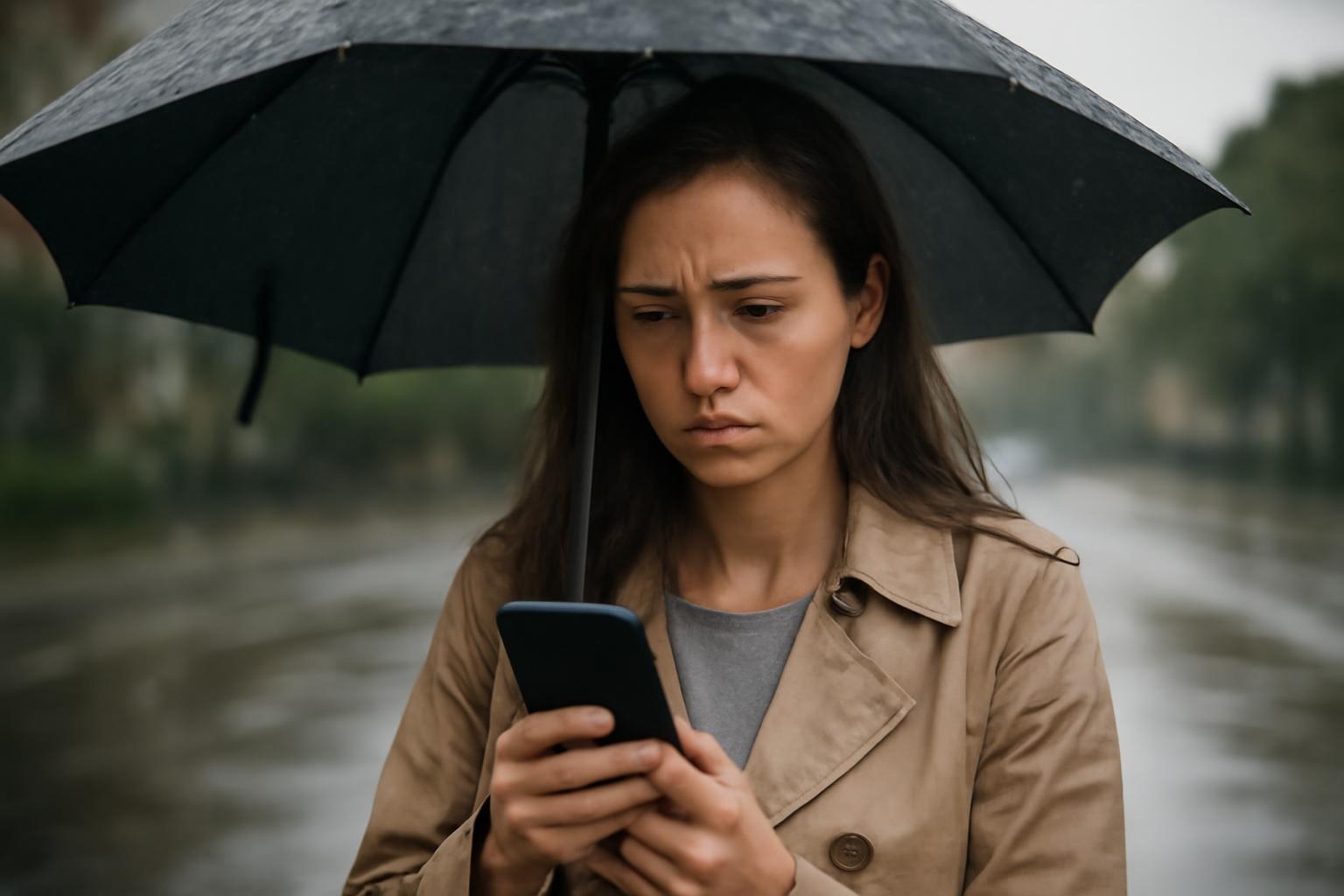
天気があなたの計画を変えるとき

公開日:2026-09-05 旅遊英文 Level 3
天気があなたの計画を変えるとき
01

About This Article

この記事について
背景
個人旅行者にとって、天気は最も予測しにくい変数の一つです。台風、大雨、強風はしばしば短時間で旅程全体を狂わせてしまいます。英語で天気の急変に対処する状況——天気予報の確認、フライトの変更、払い戻しの申請、そして急遽屋内観光地への切り替えなど——に対応できることは、現代の旅人にとって欠かせないスキルです。
  • 毎朝出発前に天気予報を確認する習慣をつける
  • 悪天候による欠航時の正しい対処手順
  • 柔軟なスケジュールを準備し、事前に屋内の代替スポットを見つけておく
  • 余裕のある心持ちで、旅のすべての瞬間を大切にする
02

Listen First

まず聞く
00:00 / 00:00
03

Reading

記事を読む
English

When traveling abroad on your own, one of the most important habits you can develop is to check the forecast every morning before heading out. Weather conditions can change without warning, and being caught unprepared in heavy rain can ruin even the best-planned day. In regions such as Southeast Asia or East Asia, especially during typhoon season, a typhoon is approaching before you even realize it, and delays or cancellations can follow within hours.

If your flight has been cancelled due to bad weather, do not panic. The first step is to contact the airline as soon as possible to reschedule your flight or request a refund. Most carriers are required to offer these options when disruptions are caused by severe weather conditions. Having travel insurance also makes it significantly easier to recover the costs of missed tours, hotels, and transportation that were part of your original itinerary.

Instead of spending the day feeling frustrated, experienced travelers always have a plan B ready. A flexible itinerary is one of the most valuable tools you can bring on any trip. Should the weather turn bad, switching to indoor alternatives such as museums, art galleries, or local food markets can still give you a rich and memorable experience. These options also allow you to interact with locals and discover a side of the destination that you might have otherwise missed.

Being prepared for unexpected changes in the weather goes beyond simply carrying an umbrella. Before your trip, research indoor attractions in every city on your schedule and save their addresses on your phone. When things do not go as planned, staying calm and trusting your backup plan will help you make the most of every moment. After all, the most memorable journeys are often the ones where something unexpected happened and you handled it gracefully.

日本語訳

海外を一人で旅する際に身につけられる最も重要な習慣の一つは、毎朝出かける前に天気予報を確認することです。天気の状況は予告なく変わることがあり、大雨の中で不意を突かれると、最も計画的な一日でさえ台無しになりかねません。東南アジアや東アジアなどの地域では、特に台風シーズン中、気づかないうちに台風が接近し、数時間以内に遅延や欠航が続けて起こることもあります。

悪天候でフライトがキャンセルされた場合でも、慌てないでください。最初のステップは、できるだけ早く航空会社に連絡して、フライトの変更または払い戻しを申請することです。ほとんどの航空会社は、悪天候による運航障害が生じた際、これらの選択肢を提供することが義務付けられています。旅行保険に加入していれば、元々の旅程に含まれていたツアー、ホテル、交通機関のキャンセルにかかった費用を取り戻すことも大幅に容易になります。

一日中不満を抱えて過ごす代わりに、経験豊富な旅行者は常にプランBを用意しています。柔軟な旅程は、どんな旅にも持参できる最も価値あるツールの一つです。天気が悪化した場合、博物館、美術館、地元の食料品市場などの屋内の代替スポットに切り替えることで、豊かで思い出深い体験を得ることができます。こうした選択肢は、地元の人々と交流し、これまで見逃していたかもしれない目的地の一面を発見する機会にもなります。

天気の予期せぬ変化に備えることは、単に傘を持ち歩く以上のことを意味します。旅の前に、スケジュールにある各都市の屋内観光スポットを調べ、その住所をスマートフォンに保存しておきましょう。計画通りに進まないときでも、冷静さを保ちバックアッププランを信頼することで、あらゆる瞬間を最大限に活かすことができます。結局のところ、最も印象深い旅とは、想定外のことが起き、あなたがそれを上手く乗り越えたときに生まれることが多いものです。

04

Key Words

重要単語・フレーズ
10 件
05

Expressions

慣用表現
4 件
06

Practice

理解度テスト
6 問 +ディスカッション 2 問
0 /0 問

1 According to the article, what should you do every morning before heading out when traveling abroad?
正解です。 不正解です。正解は緑色で示しています。
2 What does the article suggest as the first step if your flight is cancelled due to bad weather?
正解です。 不正解です。正解は緑色で示しています。
3 A typhoon is before you even realize it, and delays or cancellations can follow within hours.
正解です。 不正解です。正解は緑色で示しています。
4 A itinerary is one of the most valuable tools you can bring on any trip.
正解です。 不正解です。正解は緑色で示しています。
5 the weather turn bad, switching to indoor alternatives can still give you a rich and memorable experience.
正解です。 不正解です。正解は緑色で示しています。
6 Staying calm and trusting your backup plan will help you the most of every moment.
正解です。 不正解です。正解は緑色で示しています。

Discussion

質問とディスカッション
2 問

以下の問いに正解はありません。英語で自分の考えを、1 問につき 3〜5 文で話してみましょう。

  1. 1 Have you ever had a travel plan seriously disrupted by bad weather or an unexpected event? What did you do to handle the situation, and what would you do differently next time?
  2. 2 The article says a flexible itinerary is one of the most valuable tools for any traveler. Do you agree? How do you usually plan your trips — do you prefer a detailed schedule or a more open and adaptable plan? Please explain your reasons.