
Last spring, residents of Lingang City woke up to a rude awakening. A chemical plant on the city's eastern edge erupted without warning, releasing a thick cloud of toxic gases into the sky. Within hours, dozens of people began to choke in the streets, and several elderly residents fell unconscious before anyone could help them. What seemed like a cheerful Monday morning quickly turned into a public health emergency with no clear ending in sight.
Investigators later found that the factory had been releasing poison into the surrounding environment for years. The company had been unwilling to upgrade its aging equipment, and officials had repeatedly postponed thorough safety inspections. The air near the plant carried a sharp smell — not the vanilla scent of a bakery or the familiar aroma of fried food, but the suffocating odor of hydrogen sulfide and other industrial chemicals. Many residents said the polluted air seemed to snatch the very breath from their lungs.
Forced to stay indoors, families were unable to sit on their balcony or let their children play outside. A deep sadness spread through the community. The early settlers of this region had once described the landscape as clean and green, but decades of unchecked industrial growth had transformed it beyond recognition. The clear blue sky now seemed to tease them through their windows — a constant reminder of what had been lost.
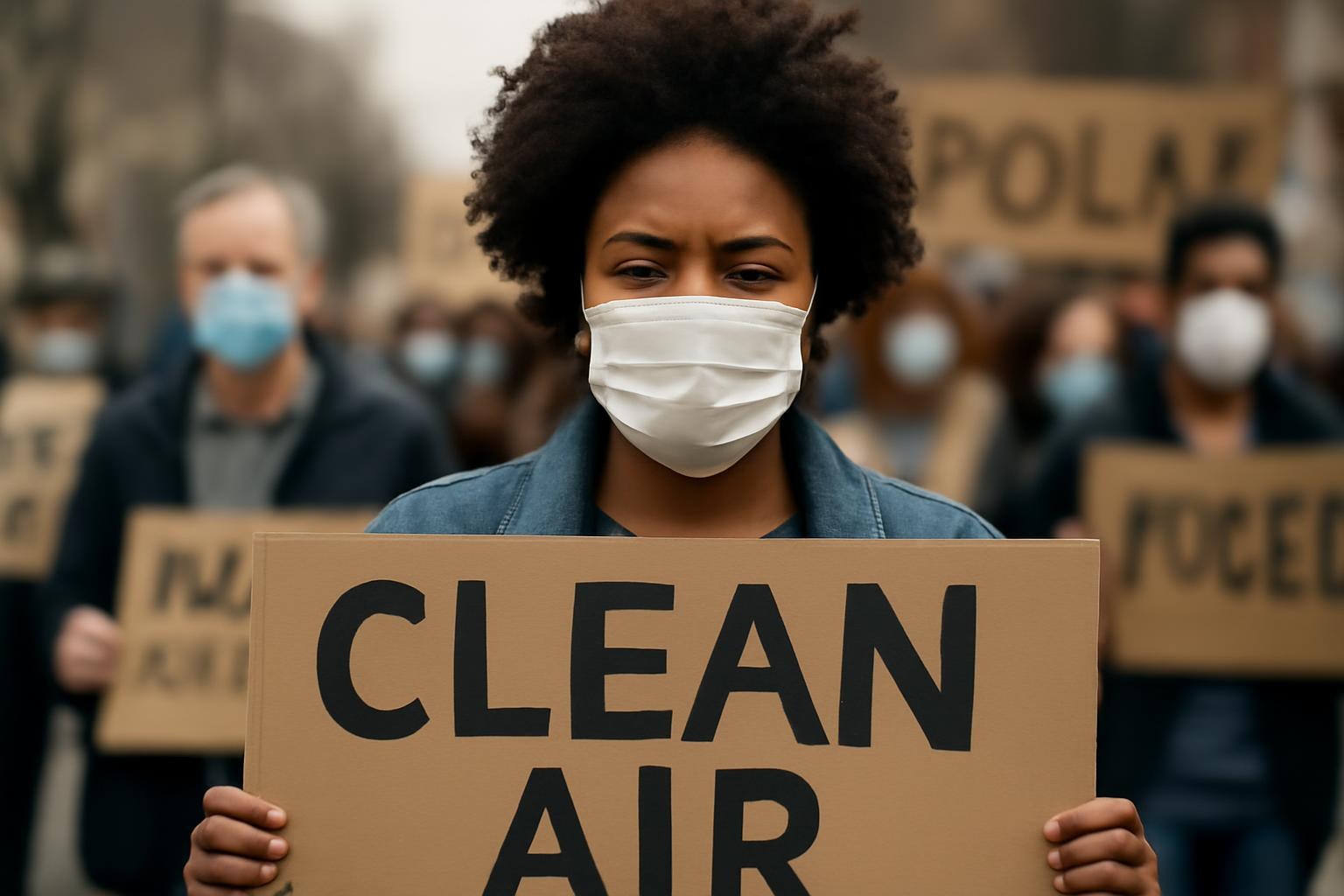
Environmental groups were quick to call the situation absurd. They argued that it was no coincidence that the polluted areas were home mostly to low-income families, who lacked the political power to demand change. "When junk policy allows corporations to poison the air we breathe, something has gone deeply wrong," said one activist. Facing mounting public anger, the government promised to come up with stronger environmental regulations within the month.
In the weeks that followed, scientists conducted a thorough investigation of the air and water near the plant. The results were alarming. Experts warned that those who make a mistake in industrial safety management must be held fully accountable. Authorities vowed to make polluters pay heavily for any future violations, and committed to promoting clean energy alternatives — including hydrogen fuel technology — across the industrial sector. In conclusion, the Lingang incident has become a turning point in the nation's approach to environmental protection, reminding both citizens and policymakers of the true cost of decades of neglect.