
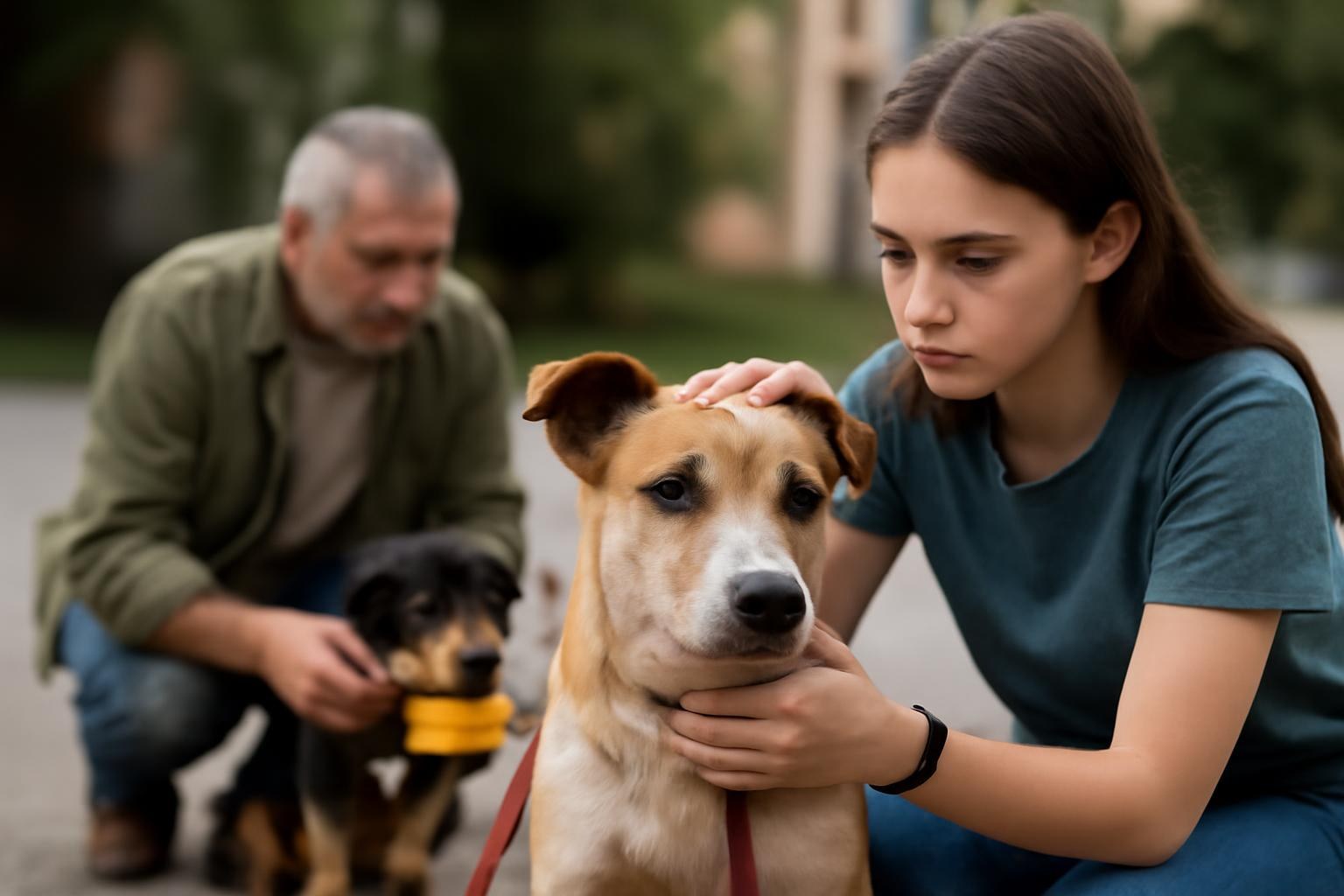
In Green Hill, a small neighborhood near the city center, many people noticed that stray cats and dogs needed help. Some animals were hungry, while others had small injuries. Instead of waiting for someone else to act, a group of residents decided to start a local animal project.
The project began in an empty room behind the community center. Volunteers cleaned the room and prepared soft blankets, water, and simple food. A nearby veterinarian agreed to visit twice a week, so sick animals could receive basic treatment before finding a permanent home.
At first, only five residents joined the project. They took turns preparing meals, checking the animals, and recording their health. Soon, more neighbors offered support by donating money, old towels, and pet supplies. A local pet shop also gave the group food at a lower price.
The organizers wanted young people to take part as well. On Saturday afternoons, students visited the room to learn how to approach animals safely. They also made posters that explained why people should not leave pets on the street. The students discovered that caring for an animal required time, patience, and responsibility.
One of the project’s most successful activities was an adoption day. Families came to meet the animals and ask questions about their needs. Before taking an animal home, each family had to explain where it would sleep, what it would eat, and how it would receive medical care.
After six months, the project had helped more than thirty animals. Some returned to their owners, and others found new families. The residents were proud of the results, but they knew the work was not finished. Their project showed that a community can make a real difference when people share their time and care for living things.