
地域の動物プロジェクト

公開日:2026-08-31 生活與日常 Level 2
地域の動物プロジェクト
01

About This Article

この記事について
背景
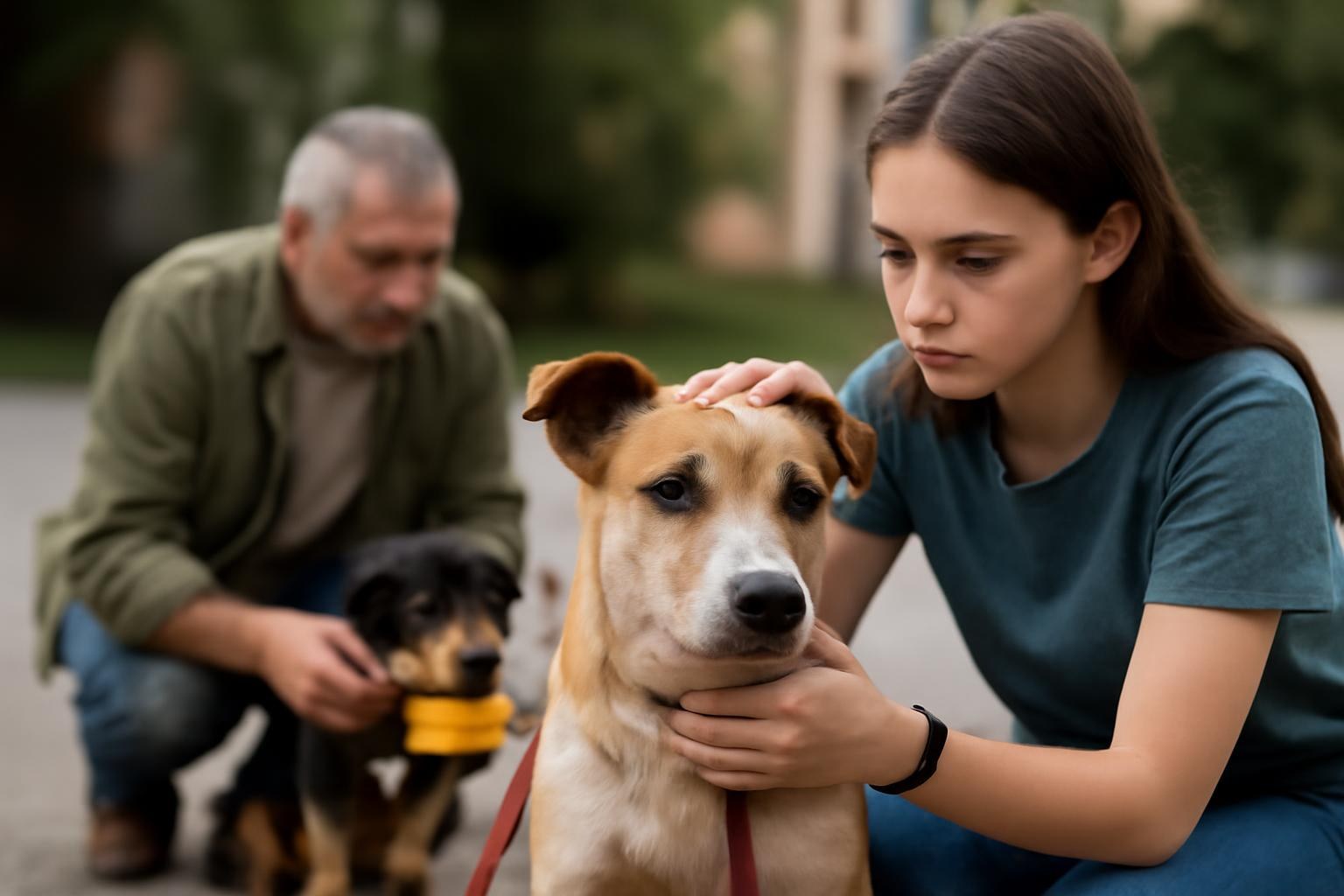
野良動物は多くの都市が抱える生活上の問題であり、政府だけではすべての問題を解決できないことがよくあります。この文章では、地域住民、獣医師、学生が協力して動物の世話をするプロジェクトについて説明し、思いやり、ボランティア活動、養子縁組に関する実用的な英語を紹介します。
  • 地域住民が協力して、けがをした野良猫や野良犬の世話をする
  • ボランティアが動物に食べ物と治療の支援を提供する
  • 学生が活動を通して、責任を持って動物を世話することを学ぶ
  • プロジェクトは、より多くの動物が新しい家を見つける手助けもする
02

Listen First

まず聞く
00:00 / 00:00
03

Reading

記事を読む
English

In Green Hill, a small neighborhood near the city center, many people noticed that stray cats and dogs needed help. Some animals were hungry, while others had small injuries. Instead of waiting for someone else to act, a group of residents decided to start a local animal project.

The project began in an empty room behind the community center. Volunteers cleaned the room and prepared soft blankets, water, and simple food. A nearby veterinarian agreed to visit twice a week, so sick animals could receive basic treatment before finding a permanent home.

At first, only five residents joined the project. They took turns preparing meals, checking the animals, and recording their health. Soon, more neighbors offered support by donating money, old towels, and pet supplies. A local pet shop also gave the group food at a lower price.

The organizers wanted young people to take part as well. On Saturday afternoons, students visited the room to learn how to approach animals safely. They also made posters that explained why people should not leave pets on the street. The students discovered that caring for an animal required time, patience, and responsibility.

One of the project’s most successful activities was an adoption day. Families came to meet the animals and ask questions about their needs. Before taking an animal home, each family had to explain where it would sleep, what it would eat, and how it would receive medical care.

After six months, the project had helped more than thirty animals. Some returned to their owners, and others found new families. The residents were proud of the results, but they knew the work was not finished. Their project showed that a community can make a real difference when people share their time and care for living things.

日本語訳

市の中心部近くにある小さな地域、グリーンヒルでは、多くの人が野良猫や野良犬が助けを必要としていることに気づきました。お腹を空かせた動物もいれば、軽いけがをしている動物もいました。誰かが行動するのを待つ代わりに、住民のグループが地域の動物プロジェクトを始めることにしました。

このプロジェクトは、コミュニティセンターの裏にある空き部屋で始まりました。ボランティアは部屋を掃除し、柔らかい毛布、水、簡単な食べ物を用意しました。近くの獣医師が週に2回来ることに同意してくれたので、病気の動物たちは、恒久的な家を見つける前に基本的な治療を受けることができました。

最初は、5人の住民だけがプロジェクトに参加しました。彼らは交代で食事を用意し、動物の様子を確認し、健康状態を記録しました。まもなく、より多くの近隣住民が、お金や古いタオル、ペット用品を寄付して支援してくれました。地元のペットショップも、より安い価格でグループに食べ物を提供しました。

主催者たちは、若者たちにも参加してほしいと考えました。土曜日の午後には、学生たちがその部屋を訪れ、動物に安全に近づく方法を学びました。また、人々がペットを路上に置き去りにしてはいけない理由を説明するポスターも作りました。学生たちは、動物の世話には時間、忍耐、そして責任が必要だと知りました。

このプロジェクトで最も成功した活動の一つは、譲渡会でした。家族連れが動物たちに会いに来て、必要な世話について質問しました。動物を家に連れて帰る前に、それぞれの家族は、その動物がどこで寝るのか、何を食べるのか、そしてどのように医療を受けるのかを説明しなければなりませんでした。

6か月後、このプロジェクトは30匹以上の動物を助けていました。飼い主のもとに戻った動物もいれば、新しい家族を見つけた動物もいました。住民たちは成果を誇りに思いましたが、仕事はまだ終わっていないと分かっていました。彼らのプロジェクトは、人々が時間を分かち合い、生き物を大切にすれば、地域は本当の変化をもたらせることを示しました。

04

Key Words

重要単語・フレーズ
5 件
05

Expressions

慣用表現
5 件
06

Practice

理解度テスト
9 問
0 /0 問

1 Why did the residents start the animal project?
正解です。 不正解です。正解は緑色で示しています。
2 How often did the veterinarian visit?
正解です。 不正解です。正解は緑色で示しています。
3 What did neighbors donate?
正解です。 不正解です。正解は緑色で示しています。
4 What did students learn on Saturday afternoons?
正解です。 不正解です。正解は緑色で示しています。
5 What did families need to do before adopting an animal?
正解です。 不正解です。正解は緑色で示しています。
6 Many cats and dogs needed help in the neighborhood.
正解です。 不正解です。正解は緑色で示しています。
7 cleaned the room and prepared soft blankets.
正解です。 不正解です。正解は緑色で示しています。
8 Sick animals could receive basic .
正解です。 不正解です。正解は緑色で示しています。
9 Caring for an animal required time, patience, and .
正解です。 不正解です。正解は緑色で示しています。