
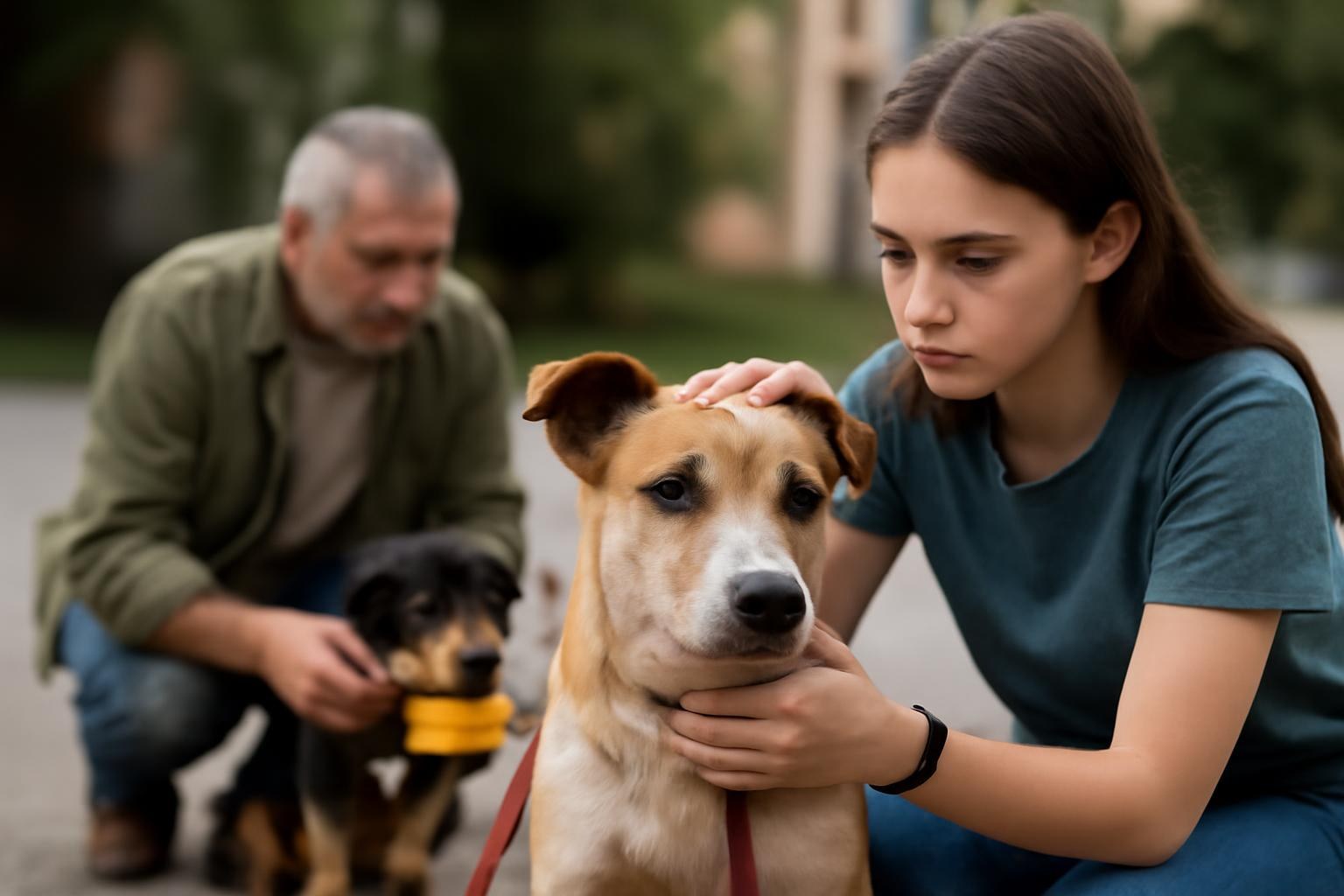
지역 동물 프로젝트

게시일:2026-08-31 生活與日常 Level 2
지역 동물 프로젝트
01

About This Article

이 기사에 대하여
배경
유기 동물은 많은 도시가 겪는 생활 문제이며, 정부의 노력만으로는 모든 문제를 해결하기 어렵습니다. 이 글에서는 주민, 수의사, 학생들이 협력하여 동물을 돌보는 프로젝트를 설명하고, 배려, 자원봉사, 입양과 관련된 유용한 영어를 소개합니다.
  • 지역 주민들이 다친 유기 고양이와 개를 돌보기 위해 협력함
  • 자원봉사자들이 동물에게 음식과 의료 지원을 제공함
  • 학생들이 활동을 통해 책임감 있게 동물을 돌보는 법을 배움
  • 프로젝트가 더 많은 동물이 새 가족을 찾도록 도움을 줌
02

Listen First

먼저 듣기
00:00 / 00:00
03

Reading

기사 읽기
English

In Green Hill, a small neighborhood near the city center, many people noticed that stray cats and dogs needed help. Some animals were hungry, while others had small injuries. Instead of waiting for someone else to act, a group of residents decided to start a local animal project.

The project began in an empty room behind the community center. Volunteers cleaned the room and prepared soft blankets, water, and simple food. A nearby veterinarian agreed to visit twice a week, so sick animals could receive basic treatment before finding a permanent home.

At first, only five residents joined the project. They took turns preparing meals, checking the animals, and recording their health. Soon, more neighbors offered support by donating money, old towels, and pet supplies. A local pet shop also gave the group food at a lower price.

The organizers wanted young people to take part as well. On Saturday afternoons, students visited the room to learn how to approach animals safely. They also made posters that explained why people should not leave pets on the street. The students discovered that caring for an animal required time, patience, and responsibility.

One of the project’s most successful activities was an adoption day. Families came to meet the animals and ask questions about their needs. Before taking an animal home, each family had to explain where it would sleep, what it would eat, and how it would receive medical care.

After six months, the project had helped more than thirty animals. Some returned to their owners, and others found new families. The residents were proud of the results, but they knew the work was not finished. Their project showed that a community can make a real difference when people share their time and care for living things.

한국어 번역

도심 근처의 작은 동네인 그린힐에서는 많은 사람들이 유기 고양이와 개들이 도움을 필요로 한다는 것을 알아차렸습니다. 어떤 동물들은 굶주려 있었고, 다른 동물들은 가벼운 부상을 입고 있었습니다. 주민들은 다른 누군가가 행동하기를 기다리는 대신, 지역 동물 프로젝트를 시작하기로 했습니다.

이 프로젝트는 주민 센터 뒤에 있는 빈방에서 시작되었습니다. 자원봉사자들은 방을 청소하고 부드러운 담요, 물, 간단한 음식을 준비했습니다. 근처의 한 수의사가 일주일에 두 번 방문하기로 동의했기 때문에, 아픈 동물들은 영구적인 집을 찾기 전에 기본적인 치료를 받을 수 있었습니다.

처음에는 주민 다섯 명만 이 프로젝트에 참여했습니다. 그들은 번갈아 가며 식사를 준비하고, 동물들을 살피고, 동물들의 건강 상태를 기록했습니다. 곧 더 많은 이웃들이 돈, 낡은 수건, 반려동물 용품을 기부하며 도움을 주었습니다. 한 지역 애완동물 가게도 더 저렴한 가격에 사료를 제공했습니다.

주최자들은 젊은이들도 참여하기를 원했습니다. 토요일 오후마다 학생들은 그 방을 방문해 동물에게 안전하게 다가가는 방법을 배웠습니다. 또한 사람들이 왜 반려동물을 길에 버려서는 안 되는지를 설명하는 포스터를 만들었습니다. 학생들은 동물을 돌보려면 시간, 인내심, 책임감이 필요하다는 것을 깨달았습니다.

이 프로젝트에서 가장 성공적인 활동 중 하나는 입양의 날이었습니다. 가족들은 동물들을 만나고 동물들의 필요에 대해 질문하기 위해 찾아왔습니다. 동물을 집으로 데려가기 전에 각 가족은 동물이 어디에서 자고, 무엇을 먹으며, 어떻게 의료 관리를 받을 것인지 설명해야 했습니다.

6개월 후, 이 프로젝트는 30마리가 넘는 동물들을 도왔습니다. 어떤 동물들은 주인에게 돌아갔고, 다른 동물들은 새 가족을 찾았습니다. 주민들은 그 결과를 자랑스럽게 여겼지만, 일이 아직 끝나지 않았다는 것을 알고 있었습니다. 이 프로젝트는 사람들이 시간과 생명체에 대한 관심을 나눌 때 지역사회가 실제로 큰 변화를 만들어 낼 수 있다는 것을 보여 주었습니다.

04

Key Words

핵심 단어·구
5 개
05

Expressions

관용 표현
5 개
06

Practice

이해도 테스트
9 문항
0 /0문항

1 Why did the residents start the animal project?
정답입니다. 오답입니다. 정답은 초록색으로 표시했습니다.
2 How often did the veterinarian visit?
정답입니다. 오답입니다. 정답은 초록색으로 표시했습니다.
3 What did neighbors donate?
정답입니다. 오답입니다. 정답은 초록색으로 표시했습니다.
4 What did students learn on Saturday afternoons?
정답입니다. 오답입니다. 정답은 초록색으로 표시했습니다.
5 What did families need to do before adopting an animal?
정답입니다. 오답입니다. 정답은 초록색으로 표시했습니다.
6 Many cats and dogs needed help in the neighborhood.
정답입니다. 오답입니다. 정답은 초록색으로 표시했습니다.
7 cleaned the room and prepared soft blankets.
정답입니다. 오답입니다. 정답은 초록색으로 표시했습니다.
8 Sick animals could receive basic .
정답입니다. 오답입니다. 정답은 초록색으로 표시했습니다.
9 Caring for an animal required time, patience, and .
정답입니다. 오답입니다. 정답은 초록색으로 표시했습니다.