
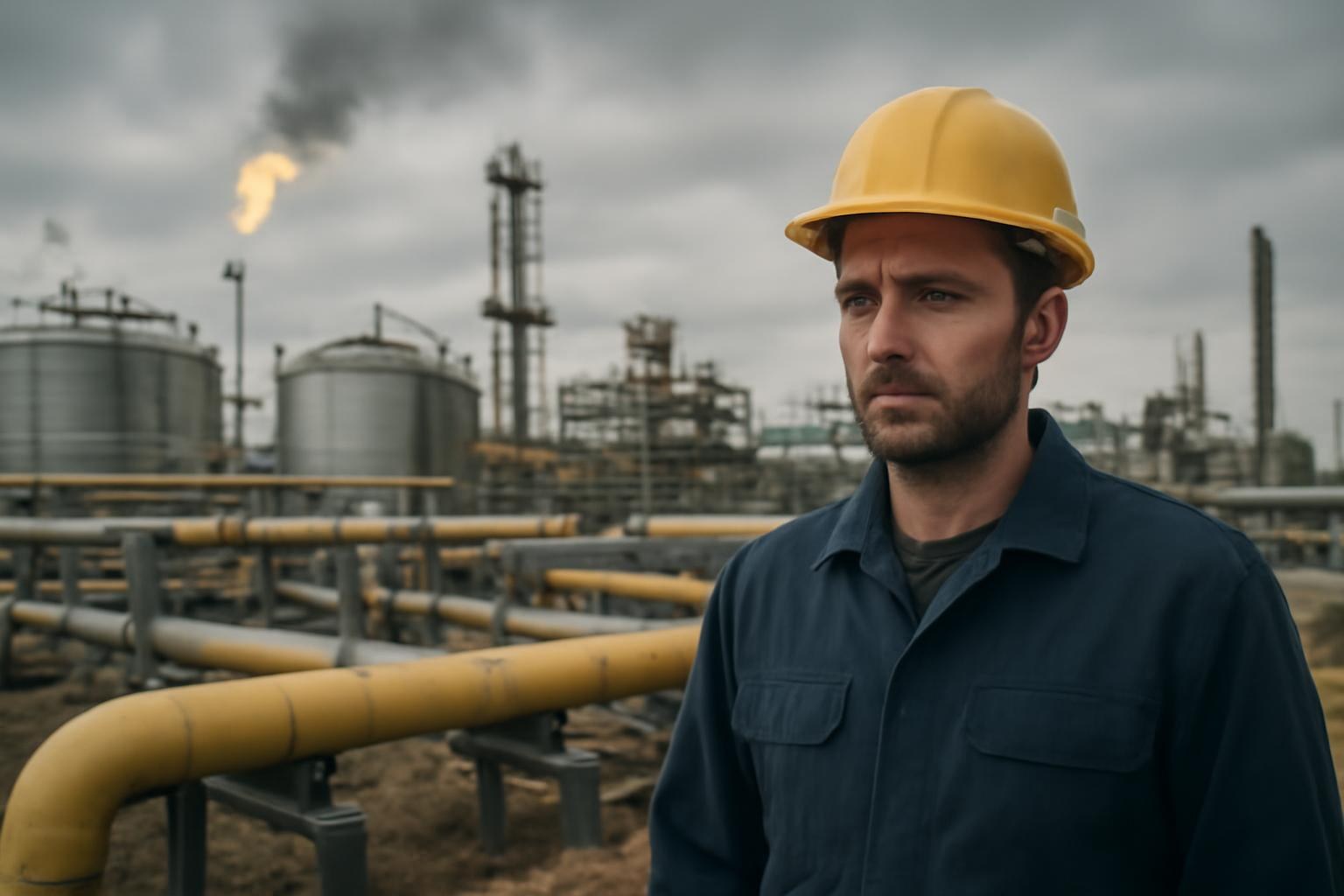
In 2026, continuing conflict in parts of the Middle East is placing new pressure on global energy markets. The region remains important because it produces a large share of the world’s oil and gas and connects major suppliers with customers in Asia and Europe. Even when production facilities remain untouched, fear of a wider conflict can affect prices. Traders often react to possible disruption before any physical shortage appears.
Shipping is one of the main channels through which the conflict reaches distant economies. Tankers may take longer routes, wait for clearer security information, or pay higher insurance premiums before entering sensitive waters. These extra costs can be reflected in the price of crude oil, fuel, and goods transported by sea. Businesses must therefore consider both the cost of energy and the reliability of delivery.
Governments are responding in several ways. Some countries are releasing part of their strategic reserves, while others are negotiating new supply agreements with producers outside the region. Energy companies are also reviewing storage levels and transportation plans. However, these measures can reduce short-term pressure without completely removing the underlying risk.
Higher energy prices do not affect every country equally. Import-dependent economies may face more expensive electricity, transportation, and industrial production, while energy exporters may receive additional revenue. Lower-income households are particularly vulnerable because fuel and food take up a larger share of their budgets. Central banks may also find it harder to control inflation if energy costs continue to rise.
The crisis is encouraging a broader discussion about energy security. Many policymakers now argue that countries should diversify suppliers, improve renewable power, and make electricity networks more flexible. These changes cannot happen overnight, and renewable energy also requires equipment, minerals, and dependable grids. Still, the current disruption shows why a stable energy system needs both immediate protection and long-term investment.