
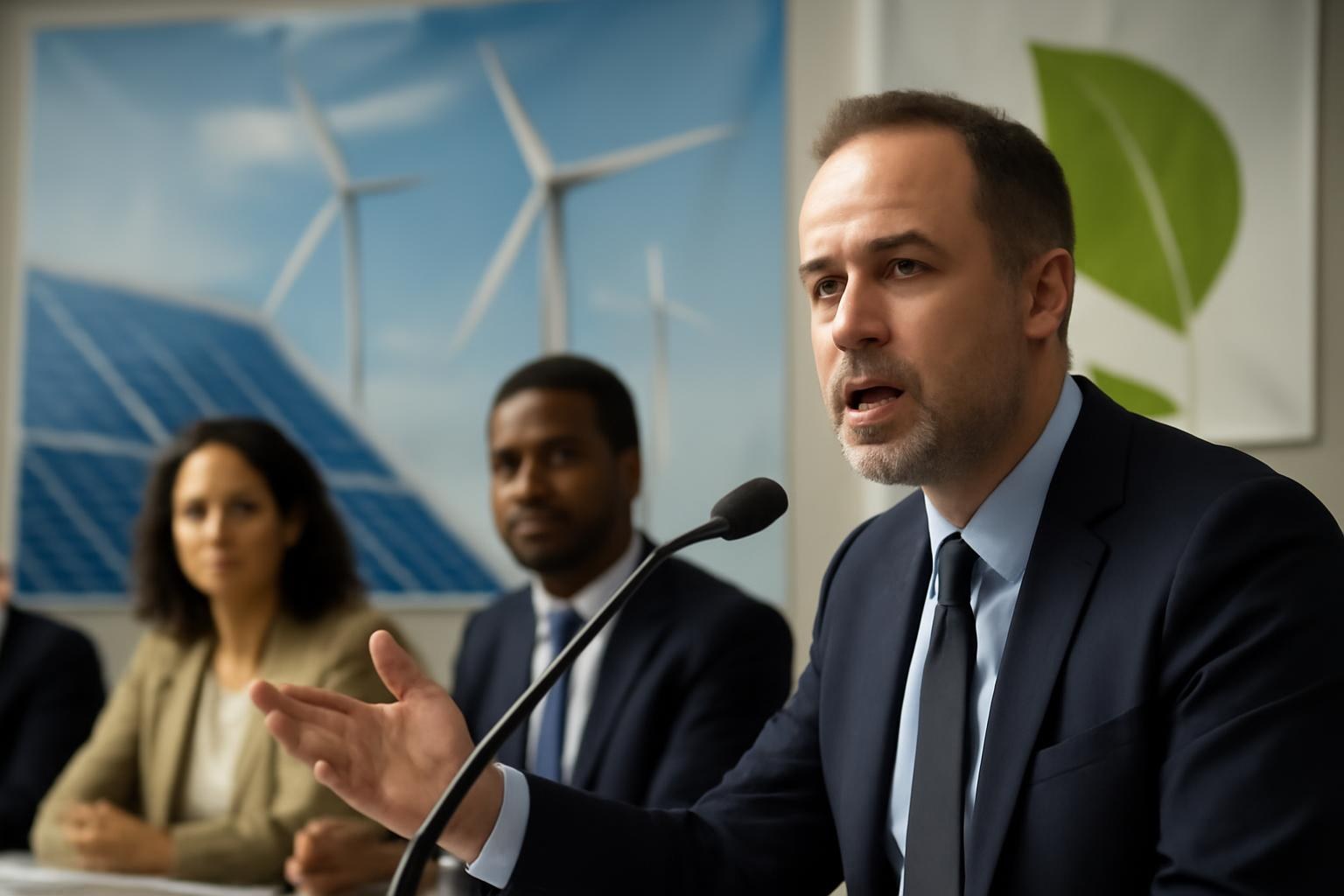
In 2026, countries are debating how quickly they should expand renewable energy. Solar and wind power have become important parts of many national plans, but governments disagree about the best pace and the most practical combination of technologies. Supporters say faster investment can reduce emissions and dependence on imported fuel. Critics worry that rapid expansion may increase electricity costs or create reliability problems.
The central challenge is that renewable power is variable. Solar panels produce less electricity at night or during heavy cloud, while wind turbines depend on weather conditions. A modern grid must therefore match changing supply with changing demand. Batteries, pumped-storage facilities, improved forecasts, and stronger connections between regions can help, but each solution requires money and careful planning.
Countries are also discussing what role other energy sources should play during the transition. Some governments view nuclear power as a stable low-carbon option, while others remain concerned about construction costs, safety, and waste. Natural gas can provide flexible backup, yet burning it still produces greenhouse gases and may expose consumers to volatile fuel prices. There is no single policy that fits every geography or economy.
Industrial policy has become part of the debate as well. Solar panels, batteries, and wind equipment depend on minerals and manufacturing networks that are concentrated in particular countries. Governments want to build local factories and create jobs, but domestic production may be more expensive. They must decide whether energy security, employment, and lower prices can be achieved at the same time.
Public acceptance will influence the outcome. New power lines, wind farms, and large solar projects can face opposition when residents fear noise, land loss, or damage to local landscapes. Successful projects usually involve communities early, explain the benefits clearly, and provide fair compensation. The future of renewable energy will depend not only on technology, but also on trust, affordable electricity, and policies that remain stable across political changes.