
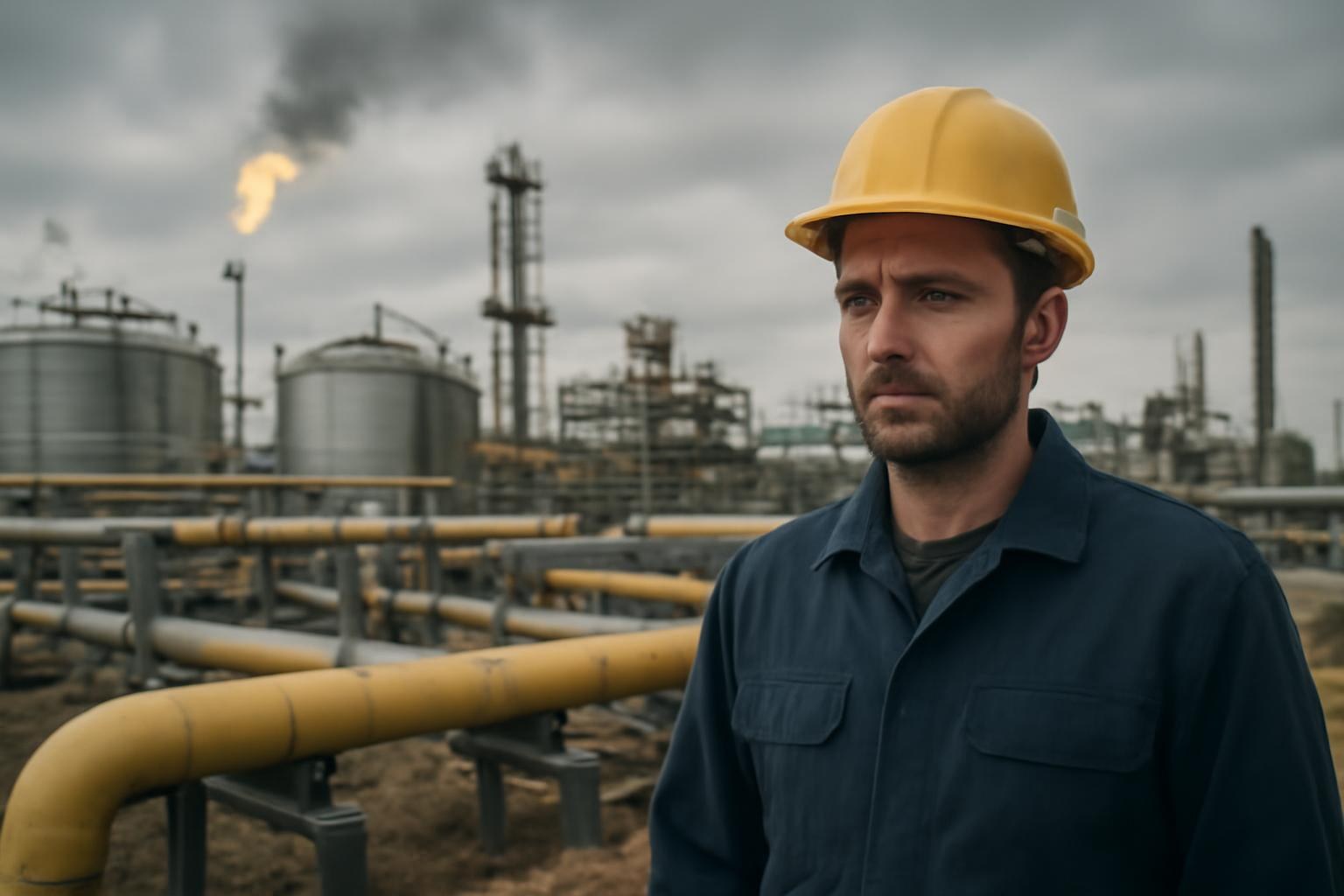
中東紛争が世界のエネルギー市場を混乱させる

公開日:2026-09-03 世界與新聞 Level 3
中東紛争が世界のエネルギー市場を混乱させる
01

About This Article

この記事について
背景
2026年も中東情勢は世界のエネルギー市場に影響を与え続けています。重要な産油地域、パイプライン、海上輸送路が相互につながっているため、地域紛争によってエネルギー施設が直接破壊されなくても、輸送費や保険料、供給途絶のリスクが高まる可能性があります。
  • 紛争によりエネルギーの供給と輸送が不確実になる
  • リスクの高まりによって市場で価格変動が起こる
  • 各国が代替供給を探し、エネルギー備蓄を増やす
  • 消費者と企業がより高いコストを負担する可能性がある
02

Listen First

まず聞く
00:00 / 00:00
03

Reading

記事を読む
English

In 2026, continuing conflict in parts of the Middle East is placing new pressure on global energy markets. The region remains important because it produces a large share of the world’s oil and gas and connects major suppliers with customers in Asia and Europe. Even when production facilities remain untouched, fear of a wider conflict can affect prices. Traders often react to possible disruption before any physical shortage appears.

Shipping is one of the main channels through which the conflict reaches distant economies. Tankers may take longer routes, wait for clearer security information, or pay higher insurance premiums before entering sensitive waters. These extra costs can be reflected in the price of crude oil, fuel, and goods transported by sea. Businesses must therefore consider both the cost of energy and the reliability of delivery.

Governments are responding in several ways. Some countries are releasing part of their strategic reserves, while others are negotiating new supply agreements with producers outside the region. Energy companies are also reviewing storage levels and transportation plans. However, these measures can reduce short-term pressure without completely removing the underlying risk.

Higher energy prices do not affect every country equally. Import-dependent economies may face more expensive electricity, transportation, and industrial production, while energy exporters may receive additional revenue. Lower-income households are particularly vulnerable because fuel and food take up a larger share of their budgets. Central banks may also find it harder to control inflation if energy costs continue to rise.

The crisis is encouraging a broader discussion about energy security. Many policymakers now argue that countries should diversify suppliers, improve renewable power, and make electricity networks more flexible. These changes cannot happen overnight, and renewable energy also requires equipment, minerals, and dependable grids. Still, the current disruption shows why a stable energy system needs both immediate protection and long-term investment.

日本語訳

2026年、中東の一部地域で続く紛争が、世界のエネルギー市場に新たな圧力をかけています。この地域が今なお重要なのは、世界の石油と天然ガスの大きな割合を生産し、アジアやヨーロッパの主要な供給者と顧客をつないでいるからです。生産施設が被害を受けていない場合でも、紛争がさらに拡大する恐れが価格に影響を与えることがあります。実際の物理的な供給不足が現れる前に、トレーダーはしばしば混乱の可能性に反応します。

海運は、この紛争が遠く離れた経済に影響を及ぼす主な経路の一つです。タンカーは、より長い航路を取ったり、より明確な安全情報が得られるまで待ったり、危険な海域に入る前に高い保険料を支払ったりする可能性があります。こうした追加費用は、原油や燃料、海上輸送される商品の価格に反映されることがあります。そのため企業は、エネルギーのコストだけでなく、配送の信頼性も考慮しなければなりません。

各国政府は、いくつかの方法で対応しています。一部の国は戦略備蓄の一部を放出し、別の国々は地域外の生産国と新たな供給契約を交渉しています。エネルギー企業も、貯蔵量や輸送計画を見直しています。しかし、こうした対策によって短期的な圧力を和らげることはできても、根本的なリスクを完全に取り除くことはできません。

エネルギー価格の上昇は、すべての国に同じような影響を与えるわけではありません。輸入に依存する経済国では、電力、輸送、工業生産のコストが高くなる可能性がある一方、エネルギー輸出国は追加の収入を得る可能性があります。低所得世帯は特に影響を受けやすい立場にあります。燃料や食料が家計に占める割合がより大きいからです。エネルギーコストが上昇し続ければ、中央銀行もインフレを抑えることがより難しくなるでしょう。

この危機は、エネルギー安全保障についてのより幅広い議論を促しています。現在、多くの政策立案者は、各国が供給者を分散させ、再生可能エネルギーを改善し、電力網をより柔軟にすべきだと主張しています。こうした変化は一夜にして実現できるものではなく、再生可能エネルギーにも設備、鉱物、信頼性の高い電力網が必要です。それでも、今回の供給混乱は、安定したエネルギーシステムには、目先の保護と長期的な投資の両方が必要であることを示しています。

04

Key Words

重要単語・フレーズ
5 件
05

Expressions

慣用表現
5 件
06

Practice

理解度テスト
5 問 +ディスカッション 3 問
0 /0 問

1 Why can energy prices rise even when production facilities are not damaged?
正解です。 不正解です。正解は緑色で示しています。
2 What may tankers do in sensitive waters?
正解です。 不正解です。正解は緑色で示しています。
3 Which economies may be especially affected by higher energy prices?
正解です。 不正解です。正解は緑色で示しています。
4 What can governments release to reduce short-term pressure?
正解です。 不正解です。正解は緑色で示しています。
5 What long-term approach does the article support?
正解です。 不正解です。正解は緑色で示しています。

Discussion

質問とディスカッション
3 問

以下の問いに正解はありません。英語で自分の考えを、1 問につき 3〜5 文で話してみましょう。

  1. 1 How should countries balance immediate energy security with long-term investment in cleaner energy?
  2. 2 How might higher fuel prices affect families and businesses in your community?
  3. 3 What risks should companies consider when transporting goods through unstable regions?