
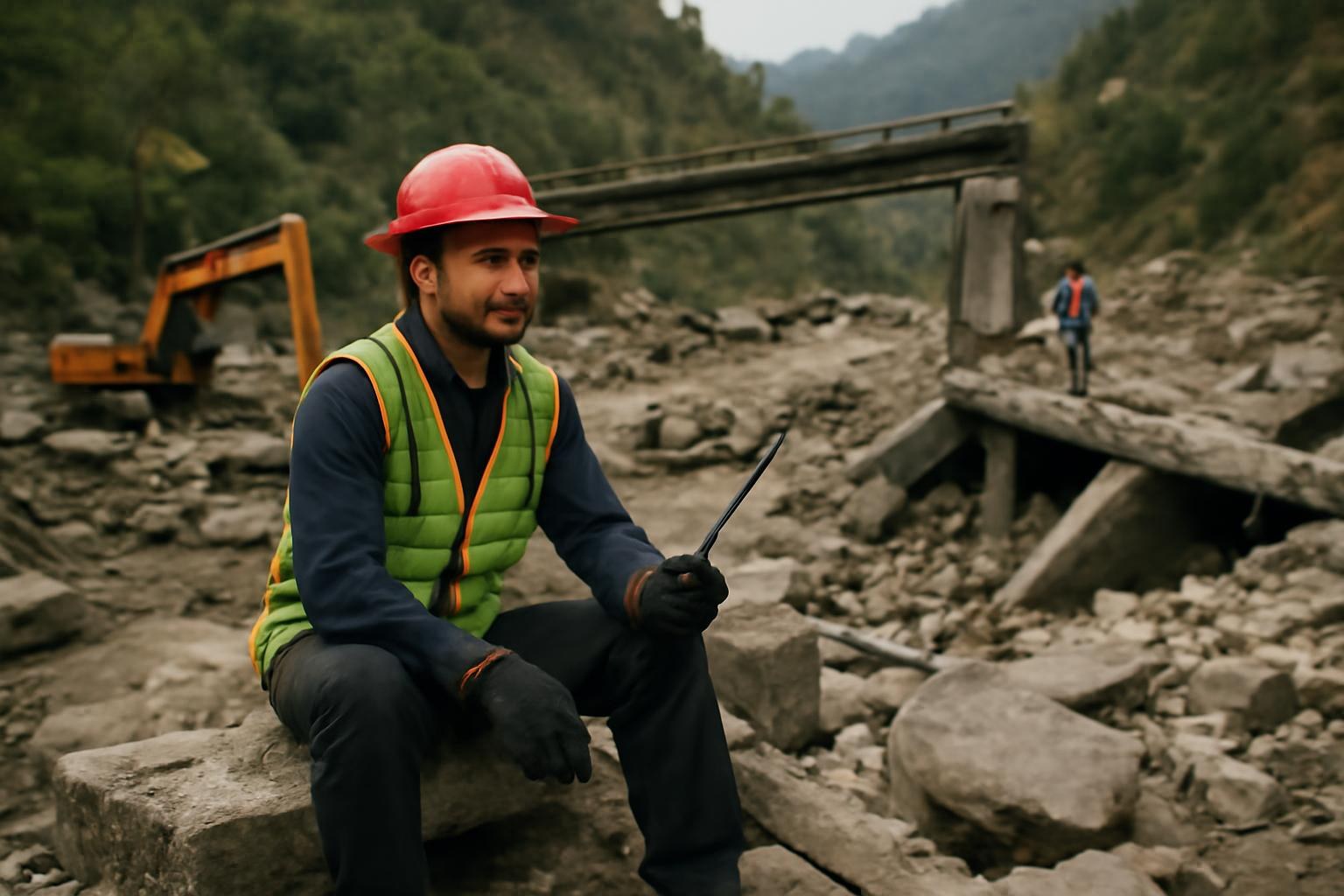
After a major disaster in Nepal in 2026, damaged infrastructure has made rescue operations slower and more complicated. Roads that connect mountain communities to regional hospitals may be covered by landslides, while bridges may no longer be safe for heavy vehicles. Rescue coordinators must determine which routes are open before sending teams into unfamiliar terrain. A wrong decision can waste valuable time or place responders in danger.
Communication failures create another serious problem. When phone towers, electricity lines, or internet connections stop working, officials may not know which villages need the most urgent help. Residents may use radios, runners, or messages carried by drivers to report conditions. These methods can work, but information may arrive late, be incomplete, or describe the same event in different ways.
Because trucks cannot reach every location, agencies are combining several forms of transport. Helicopters can deliver medical supplies to isolated areas, although bad weather and limited landing sites restrict their use. Local porters and community volunteers may carry food, water, and blankets along narrow paths. Their knowledge of the landscape is valuable, but they also need equipment, training, and protection from continuing hazards.
Medical teams face difficult choices when access is limited. They must treat serious injuries, prevent infection, and decide which patients require evacuation first. Temporary clinics can provide basic care, but they cannot replace a functioning hospital for complex surgery or long-term treatment. Coordination among local health workers, national agencies, and international organizations is essential to avoid sending the wrong supplies to the wrong place.
Rebuilding damaged infrastructure will take longer than the first rescue phase. Engineers need to inspect slopes, bridges, water systems, and public buildings before reconstruction begins. If damaged routes are simply repaired without considering future landslides or stronger storms, the same communities may remain vulnerable. Nepal’s rescue effort therefore illustrates that emergency response and resilient development must be planned together.