
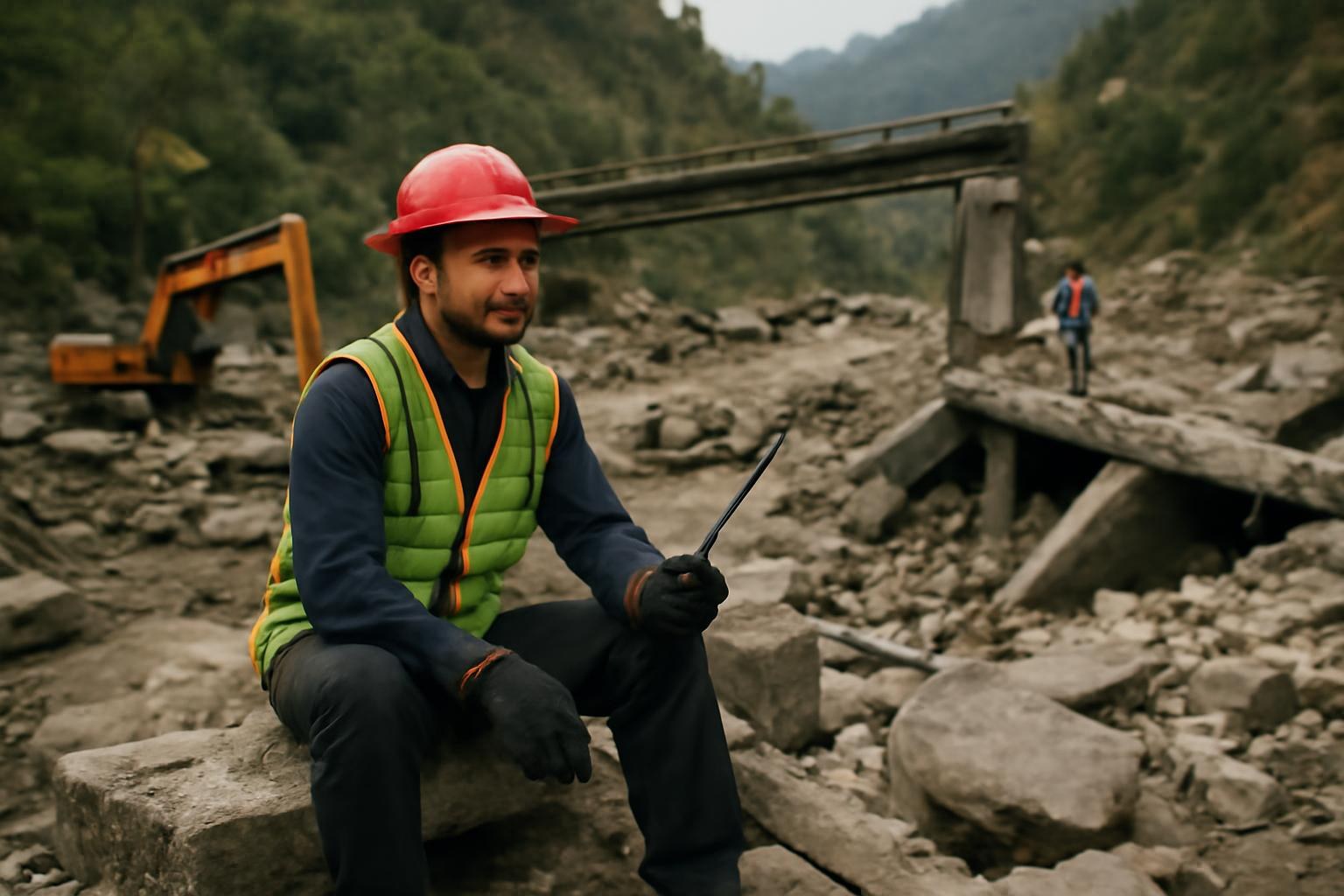
損傷したインフラがネパールの救援活動を複雑化

公開日:2026-09-03 世界與新聞 Level 3
損傷したインフラがネパールの救援活動を複雑化
01

About This Article

この記事について
背景
ネパールの山岳地域では、救援活動が地形や交通の制約を受けることが多くあります。道路、橋、電力、通信の設備が同時に損傷すると、救援活動は生存者を探すだけでなく、臨時の輸送・医療・情報システムを構築することも含みます。
  • 損傷した道路や橋が救援隊の進行を妨げる
  • 通信の断絶により死傷者情報の確認が困難になる
  • 救援関係者は代替輸送手段を手配しなければならない
  • 復旧には安全評価と長期的な計画が必要となる
02

Listen First

まず聞く
00:00 / 00:00
03

Reading

記事を読む
English

After a major disaster in Nepal in 2026, damaged infrastructure has made rescue operations slower and more complicated. Roads that connect mountain communities to regional hospitals may be covered by landslides, while bridges may no longer be safe for heavy vehicles. Rescue coordinators must determine which routes are open before sending teams into unfamiliar terrain. A wrong decision can waste valuable time or place responders in danger.

Communication failures create another serious problem. When phone towers, electricity lines, or internet connections stop working, officials may not know which villages need the most urgent help. Residents may use radios, runners, or messages carried by drivers to report conditions. These methods can work, but information may arrive late, be incomplete, or describe the same event in different ways.

Because trucks cannot reach every location, agencies are combining several forms of transport. Helicopters can deliver medical supplies to isolated areas, although bad weather and limited landing sites restrict their use. Local porters and community volunteers may carry food, water, and blankets along narrow paths. Their knowledge of the landscape is valuable, but they also need equipment, training, and protection from continuing hazards.

Medical teams face difficult choices when access is limited. They must treat serious injuries, prevent infection, and decide which patients require evacuation first. Temporary clinics can provide basic care, but they cannot replace a functioning hospital for complex surgery or long-term treatment. Coordination among local health workers, national agencies, and international organizations is essential to avoid sending the wrong supplies to the wrong place.

Rebuilding damaged infrastructure will take longer than the first rescue phase. Engineers need to inspect slopes, bridges, water systems, and public buildings before reconstruction begins. If damaged routes are simply repaired without considering future landslides or stronger storms, the same communities may remain vulnerable. Nepal’s rescue effort therefore illustrates that emergency response and resilient development must be planned together.

日本語訳

2026年にネパールで大規模な災害が発生した後、損傷したインフラによって救援活動はより遅く、複雑になっています。山間部の地域社会と地方の病院を結ぶ道路は土砂崩れに覆われている可能性があり、橋も大型車両が安全に通行できない状態になっているかもしれません。救援の調整担当者は、隊員を不慣れな地形に送り込む前に、どのルートが通行可能かを確認しなければなりません。誤った判断は貴重な時間を無駄にしたり、救援隊員を危険にさらしたりする可能性があります。

通信の障害も、別の深刻な問題を引き起こします。電話基地局や電線、インターネット接続が停止すると、当局はどの村が最も緊急に支援を必要としているのか把握できないかもしれません。住民は無線機や伝令を使ったり、運転手にメッセージを託して状況を報告したりすることがあります。こうした方法でも対応できますが、情報の到着が遅れたり、不完全だったり、同じ出来事が異なる形で伝えられたりする可能性があります。

トラックがすべての場所に到達できないため、支援機関は複数の輸送手段を組み合わせています。ヘリコプターは孤立した地域に医療用品を届けることができますが、悪天候や限られた着陸場所によって利用が制限されます。地元のポーターや地域のボランティアは、狭い道を通って食料や水、毛布を運ぶことがあります。彼らの地形に関する知識は貴重ですが、彼ら自身も装備や訓練、そして続く危険から身を守るための保護を必要とします。

医療チームは、通行が制限されている状況で難しい判断を迫られます。重傷を治療し、感染を防ぎ、どの患者を先に搬送する必要があるかを判断しなければなりません。臨時診療所では基本的な医療を提供できますが、複雑な手術や長期的な治療を行える機能している病院の代わりにはなりません。誤った場所に誤った物資を送ることを避けるには、地域の医療従事者、国の機関、国際機関の間の連携が不可欠です。

損傷したインフラの再建には、最初の救援段階よりも長い時間がかかります。技術者は再建を始める前に、斜面や橋、水道システム、公共建築物を調査する必要があります。将来の土砂崩れや、より強い暴風雨を考慮せずに損傷したルートを単に修復するだけでは、同じ地域社会が危険にさらされやすい状態のままになる可能性があります。したがって、ネパールの救援活動は、緊急対応と災害に強い発展を一体的に計画しなければならないことを示しています。

04

Key Words

重要単語・フレーズ
5 件
05

Expressions

慣用表現
5 件
06

Practice

理解度テスト
5 問 +ディスカッション 3 問
0 /0 問

1 Why must coordinators inspect routes before sending rescue teams?
正解です。 不正解です。正解は緑色で示しています。
2 What problem do communication failures cause?
正解です。 不正解です。正解は緑色で示しています。
3 Why are local porters valuable?
正解です。 不正解です。正解は緑色で示しています。
4 What must medical teams decide?
正解です。 不正解です。正解は緑色で示しています。
5 What should engineers do before reconstruction?
正解です。 不正解です。正解は緑色で示しています。

Discussion

質問とディスカッション
3 問

以下の問いに正解はありません。英語で自分の考えを、1 問につき 3〜5 文で話してみましょう。

  1. 1 Which form of transport would be most effective in a disaster affecting remote mountain villages, and why?
  2. 2 How can authorities improve communication when phone and internet networks fail?
  3. 3 What should engineers consider when rebuilding infrastructure after a disaster?