
Technology in the Classroom: A New Era of Learning

发布日期:2026-09-05 高中英文篇 Level 2
Technology in the Classroom: A New Era of Learning
01

About This Article

关于这篇文章
背景
近年来,人工智能与数位科技已悄然进入台湾的高中教室,从在线串流课程到 AI 写作辅助工具,学生的学习方式正以前所未有的速度改变。然而,这些工具究竟是在帮助学生开拓视野,还是让他们在不知不觉中缩小了深度思考的空间?本篇文章将从不同角度探讨科技对高中课程的影响,思考如何在现代科技的便利与传统教育的灵魂之间取得平衡。
  • 科技工具已成为高中生活中崭新且不可或缺的组成部分
  • 保守派教育者担忧科技缩窄了学生的学习视野
  • 持续使用屏幕对学生的心理健康带来隐忧
  • 学校须在科技使用与传统学习方式之间取得平衡
02

Listen First

先听文章
00:00 / 00:00
03

Reading

阅读文章
English

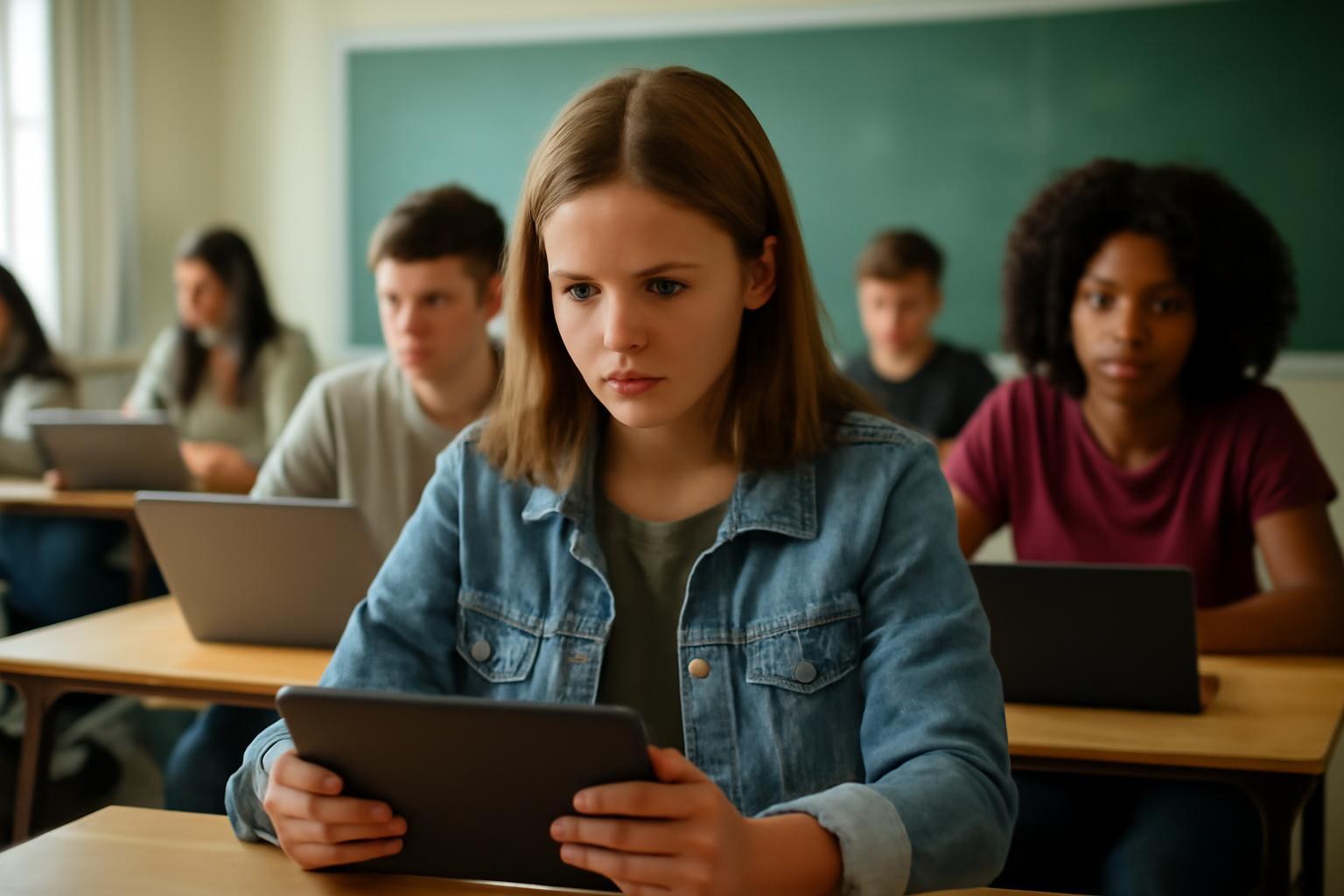
Technology has become a novel component of modern high school life. Students are no longer unable to find information at any hour — they can simply open a device and stream a video, read an article, or get an instant explanation of any topic. Scientific research predicts that digital tools will continue to root themselves more deeply into the school curriculum, making it nearly impossible to escape their influence. These changes inform the way both teachers and students approach the learning process.

However, not everyone agrees that this shift is suitable for all learners. Conservative educators worry that students are beginning to narrow their focus too much, relying on technology instead of reading literature or visiting a gallery to expand their understanding of the world. The soul of a well-rounded education, they argue, should not be replaced by screens and shortcuts. Being unable to sit quietly with a book has become a growing concern for many teachers and parents.

There is also a growing conversation about the mental health effects of constant screen use. Spending too many hours online can cast a shadow over a student's well-being, leading to stress and isolation. Students often feel anxious because they spend too much time comparing themselves to others on social media. Some find it easier to make friends through apps and platforms than face to face, yet they struggle to connect deeply in real life. The acid test of any educational tool is whether it truly supports students' growth — not just their grades.

Despite these concerns, technology in education is here to stay. The key is writing clear guidelines and making a promise to balance digital tools with traditional methods. Schools that choose to expand their use of technology thoughtfully, while still rooting students in scientific thinking and creative expression, will best prepare young people for future challenges. Never before have students had so many resources at their fingertips — and the responsibility to use them wisely.

中文翻译

科技已成为现代高中生活中一个崭新的组成部分。学生再也不用担心找不到信息——他们只需打开设备,就能串流视频、阅读文章,或即时取得任何主题的说明。科学研究预测,数位工具将持续更深入地扎根于学校课程,使其影响几乎难以逃脱。这些变化深刻地影响着师生双方看待学习历程的方式。

然而,并非所有人都认为这样的转变适合所有学习者。保守派教育者担心,学生开始过度缩小自己的学习焦点,依赖科技而非阅读文学或参观艺廊来拓展对世界的理解。他们认为,全面教育的灵魂不应被屏幕和捷径所取代。无法静静坐下来阅读一本书,已成为许多老师和家长日益增长的隐忧。

关于持续使用屏幕对心理健康的影响,各界讨论也愈来愈多。花过多时间上网可能在学生的身心状态上蒙下一层阴影,引发压力与孤立感。学生常感到焦虑,因为他们花太多时间在社群媒体上与他人比较。有些人觉得通过应用程序和平台交朋友比面对面更容易,但在现实生活中却难以创建深层的链接。衡量任何教育工具的真正考验,在于它是否真正支持学生的成长——而不只是成绩。

尽管有这些疑虑,科技在教育中的地位已无可撼动。关键在于制订明确的指导方针,并承诺在数位工具与传统方法之间取得平衡。审慎扩大科技应用、同时仍让学生扎根于科学思维与创意表达的学校,将最能为年轻人迎接未来挑战做好准备。学生从未像现在这样,在指尖拥有如此丰富的资源——以及明智运用这些资源的责任。

04

Key Words

重点词汇词组
12 个
05

Expressions

惯用句
5 则
06

Practice

课后测验
6 题 +讨论 2 题
0 /0 题

1 According to the article, what can students do by simply opening a digital device?
答对了! 答错了,正确答案以绿色标示。
2 What are conservative educators most worried about in the article?
答对了! 答错了,正确答案以绿色标示。
3 According to the article, what is the 'acid test' of any educational tool?
答对了! 答错了,正确答案以绿色标示。
4 Scientific research that digital tools will continue to root themselves more deeply into the school curriculum.
答对了! 答错了,正确答案以绿色标示。
5 Conservative educators worry that students rely on technology instead of reading literature or visiting a gallery to their understanding of the world.
答对了! 答错了,正确答案以绿色标示。
6 Never before students had so many resources at their fingertips.
答对了! 答错了,正确答案以绿色标示。

Discussion

问题与讨论
2 题

以下问题没有标准答案,请试着用英文说出自己的想法,一题讲三到五句话。

  1. 1 The article says some students find it easier to make friends online than face to face. Do you prefer making friends online or in person? What are the advantages and disadvantages of each way?
  2. 2 The article discusses both the benefits and concerns of using technology at school. Do you think technology makes learning more effective? Please share a specific example from your own experience to support your opinion.