
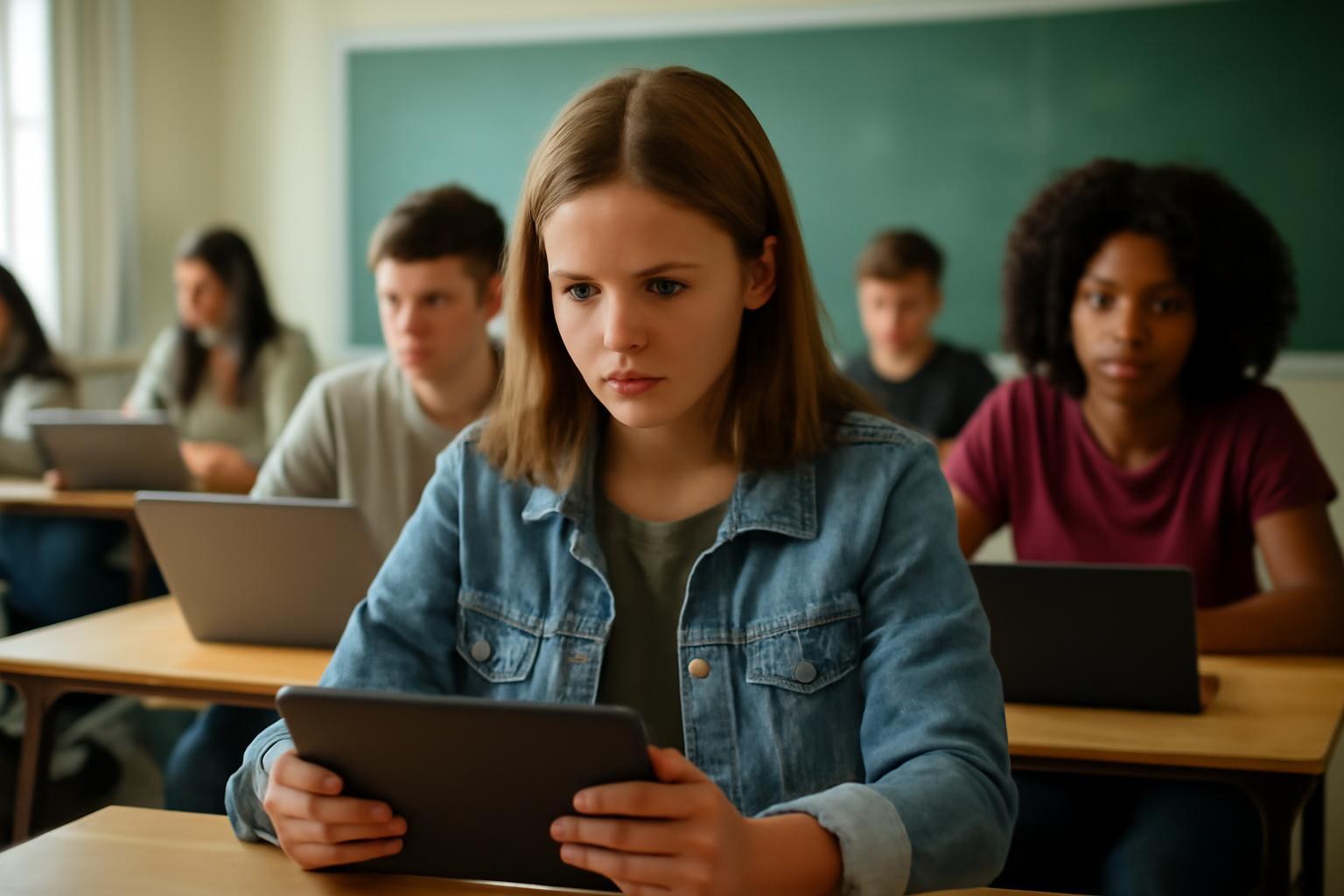
Technology has become a novel component of modern high school life. Students are no longer unable to find information at any hour — they can simply open a device and stream a video, read an article, or get an instant explanation of any topic. Scientific research predicts that digital tools will continue to root themselves more deeply into the school curriculum, making it nearly impossible to escape their influence. These changes inform the way both teachers and students approach the learning process.
However, not everyone agrees that this shift is suitable for all learners. Conservative educators worry that students are beginning to narrow their focus too much, relying on technology instead of reading literature or visiting a gallery to expand their understanding of the world. The soul of a well-rounded education, they argue, should not be replaced by screens and shortcuts. Being unable to sit quietly with a book has become a growing concern for many teachers and parents.
There is also a growing conversation about the mental health effects of constant screen use. Spending too many hours online can cast a shadow over a student's well-being, leading to stress and isolation. Students often feel anxious because they spend too much time comparing themselves to others on social media. Some find it easier to make friends through apps and platforms than face to face, yet they struggle to connect deeply in real life. The acid test of any educational tool is whether it truly supports students' growth — not just their grades.
Despite these concerns, technology in education is here to stay. The key is writing clear guidelines and making a promise to balance digital tools with traditional methods. Schools that choose to expand their use of technology thoughtfully, while still rooting students in scientific thinking and creative expression, will best prepare young people for future challenges. Never before have students had so many resources at their fingertips — and the responsibility to use them wisely.