
Getting Around by Subway and Bus

发布日期:2026-09-05 旅遊英文 Level 2
Getting Around by Subway and Bus
01

About This Article

关于这篇文章
背景
在陌生城市旅行,能灵活搭乘地铁与公车是省钱又省时的关键。许多大城市都设有完善的交通卡系统,让旅客不必每次排队买票,只需感应刷卡即可通行。本篇以台湾旅客自助旅行的视角,介绍如何购买与使用交通卡、看懂路线图、换乘不同线路,以及如何以正确的英文询问出口与公车路线,让你在海外搭车时更有自信。
  • 购买交通卡是搭乘大众运输最聪明的第一步
  • 搭地铁前先查时刻表与路线图,掌握换乘与出口信息
  • 搭公车前确认车号与方向,不确定时直接询问司机
  • 避开尖峰时段并善用一日票,让旅途更轻松省钱
02

Listen First

先听文章
00:00 / 00:00
03

Reading

阅读文章
English

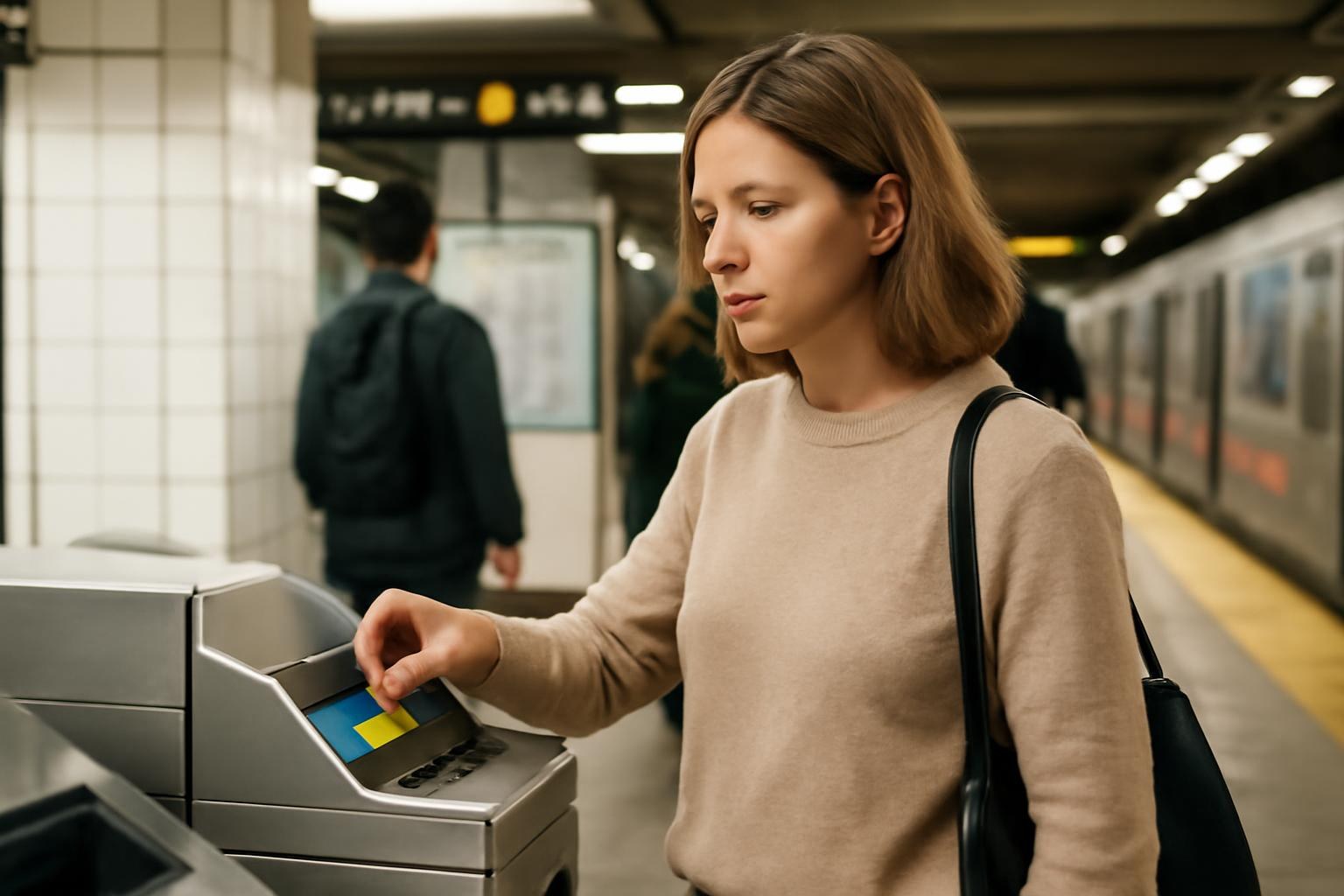
When you arrive in a new city, one of the first things you should do is get a transit card. A transit card — also called a metro card or travel card in some countries — works on both the subway and the bus. Instead of buying a separate ticket for every trip, you simply tap in when you board and tap out when you exit. If your balance runs low, you can easily top up at any station machine or at a nearby convenience store.

Taking the subway is usually the fastest way to get around a large city. Before you go down to the platform, check the timetable and study the route map carefully. Pay attention to the line colors and the direction of the train. For example, you might need to take the Red Line to Central Station and transfer to the Blue Line. When you reach your stop, look for the exit signs and choose the right one. If you are not sure which way to go, find a staff member and ask, "Which exit should I take?"

Buses are a great choice when the underground does not reach your destination or when you want to enjoy the scenery along the way. Before you board, check the bus number and direction. If you are unsure, it is perfectly fine to approach the driver and ask, "Does this bus go to the National Museum?" Once you get on, remember to validate your ticket or tap your transit card immediately. Press the stop button a moment before your stop and get off at the right place.

One helpful tip is to avoid rush hour whenever possible. During peak times in the morning and evening, trains and buses are extremely crowded, and you may need to wait for the next service. Check the timetable in advance and plan your trips outside these busy hours. If you plan to travel all day, ask at the ticket counter about a one-day pass — it is often far cheaper than paying for each trip separately. With a little preparation and a few key phrases, navigating public transit becomes a confident and enjoyable part of any trip.

中文翻译

抵达一座陌生的城市后,最应该做的事情之一就是办一张交通卡。交通卡——在某些国家也称为地铁卡或旅游卡——在地铁和公车上都可以使用。你不必为每趟行程另外买票,只需上车时感应进站(tap in),下车时再次感应出站(tap out)。如果余额不足,可以在任何一个车站的机器或附近的便利商店轻松加值(top up)。

搭地铁通常是在大城市快速移动的最佳方式。走下月台之前,先查看时刻表,并仔细研究路线图。注意线路的颜色和列车行驶的方向。例如,你可能需要搭乘红线到中央车站,再转乘蓝线。到达目的地站后,寻找出口标示并选择正确的出口。如果不确定要走哪个方向,可以找一位工作人员询问:「我应该走哪个出口?」

当地铁无法直达你的目的地,或是你想欣赏沿途风景时,公车是很好的选择。上车前先确认车号与行驶方向。如果不确定,直接走向司机询问:「这班公车有到国立博物馆吗?」完全没问题。上车后,记得立刻验票或刷交通卡感应。在到站前几秒钟按下停车钮,并在正确的站牌下车。

一个实用的小技巧是尽量避开尖峰时段。在早晨和傍晚的通勤时间,地铁和公车往往非常拥挤,你可能需要等下一班车。事先查好时刻表,把行程安排在繁忙时段以外。如果你打算整天游览城市,可以在售票窗口询问一日票——通常比每次单买票要便宜得多。只要做好一点准备并学会几句关键说法,搭乘大众运输就会成为旅途中既有自信又充满乐趣的一部分。

04

Key Words

重点词汇词组
10 个
05

Expressions

惯用句
4 则
06

Practice

课后测验
6 题 +讨论 2 题
0 /0 题

1 According to the article, what is one main advantage of using a transit card?
答对了! 答错了,正确答案以绿色标示。
2 What should you do before going down to the platform?
答对了! 答错了,正确答案以绿色标示。
3 What is a one-day pass?
答对了! 答错了,正确答案以绿色标示。
4 If your balance runs low, you can easily at any station machine or at a nearby convenience store.
答对了! 答错了,正确答案以绿色标示。
5 Once you get on the bus, remember to your ticket or tap your transit card immediately.
答对了! 答错了,正确答案以绿色标示。
6 You might need to take the Red Line to Central Station and to the Blue Line.
答对了! 答错了,正确答案以绿色标示。

Discussion

问题与讨论
2 题

以下问题没有标准答案,请试着用英文说出自己的想法,一题讲三到五句话。

  1. 1 Have you ever used a transit card or taken public transit in a foreign city? What was the most challenging part, and how did you handle it?
  2. 2 The article suggests asking "Does this bus go to...?" when you are unsure about the route. What other English phrases do you think are useful when traveling by public transit in a foreign country?