
Have you ever wondered why we eat special foods during festivals? In Taiwan, each festival has its own traditional food, and every dish has a unique meaning. These foods are not just delicious — they carry deep meaning and remind us of the people we love. Once you learn the stories behind them, festival foods taste even better.
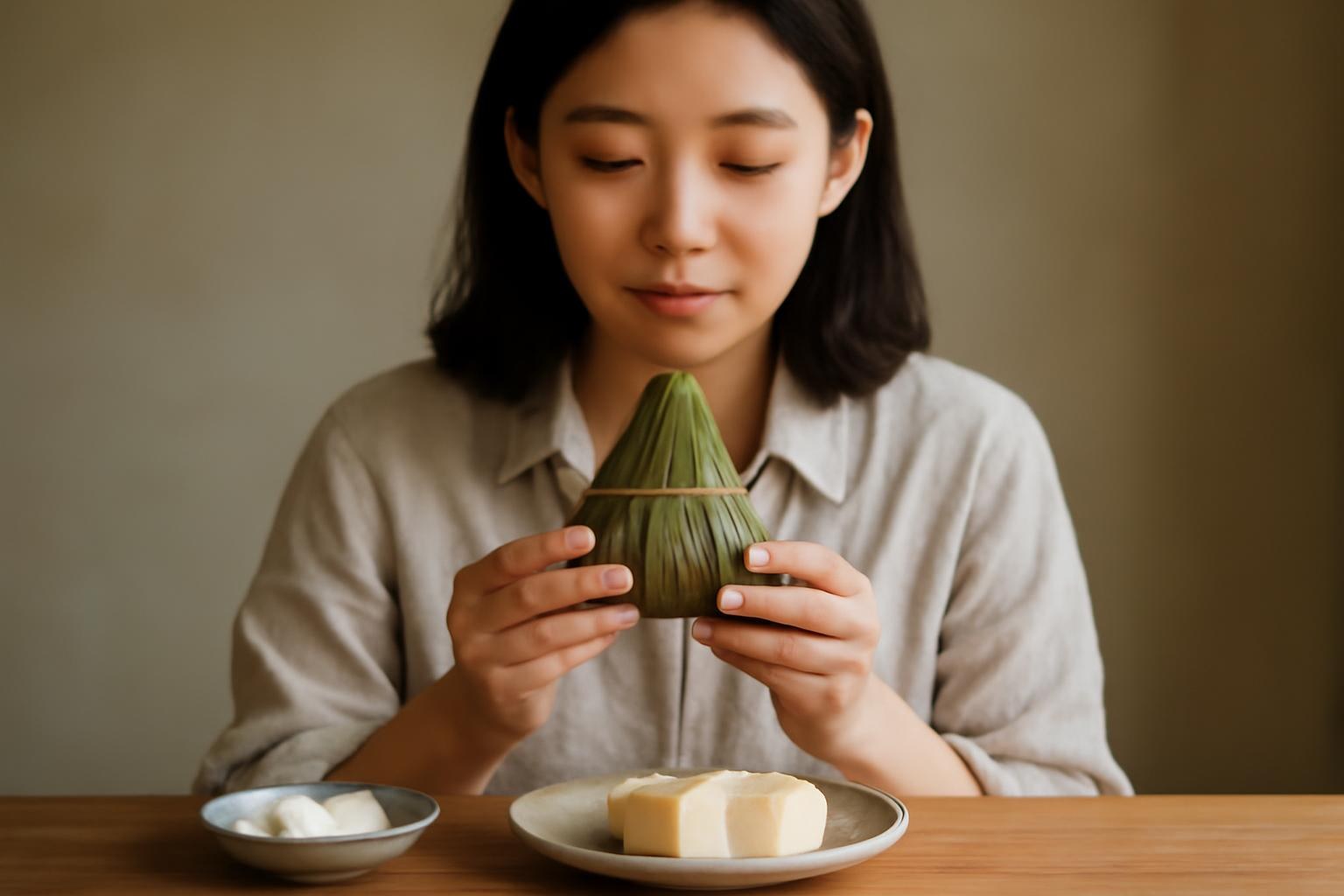
One of the most famous festival foods is the zongzi, which is eaten during the Dragon Boat Festival. It is said that people made zongzi to honor Qu Yuan, a loyal poet who drowned in a river long ago. Zongzi is made from sticky rice, and its ingredients often include meat, egg yolk, and peanuts. This legend has been passed down for thousands of years, and it still reminds people of loyalty and love for one's country.
During the Mid-Autumn Festival, families gather to eat mooncakes and watch the full moon together. The mooncake is a symbol of reunion because its round shape represents a full moon and a complete family. Since the festival is about being together, people often prepare mooncakes to share with relatives and friends. The sweet taste of mooncake makes many people think of warm family nights under the autumn sky.
At the Lunar New Year, two more special foods appear — nian gao and tangyuan. Nian gao, or New Year cake, is sticky and sweet. Its name sounds like “year higher,” so it represents the hope of doing better every year. Tangyuan are small, round, sticky balls that are made from rice flour. Since they look like a family sitting together, tangyuan has also become a symbol of reunion and happiness.
No matter where you are, the taste of these festival foods can remind you of home. These foods have been shared for generations because they carry something that words alone cannot express. When you eat a warm bowl of tangyuan or bite into a mooncake, you are not just enjoying food — you are connecting with history, family, and your roots. That is why festival foods mean so much more than what is on the plate.