
新しい旅の方法:スローツーリズム

公開日:2026-09-02 生活與日常 Level 1
新しい旅の方法:スローツーリズム
01

About This Article

この記事について
背景
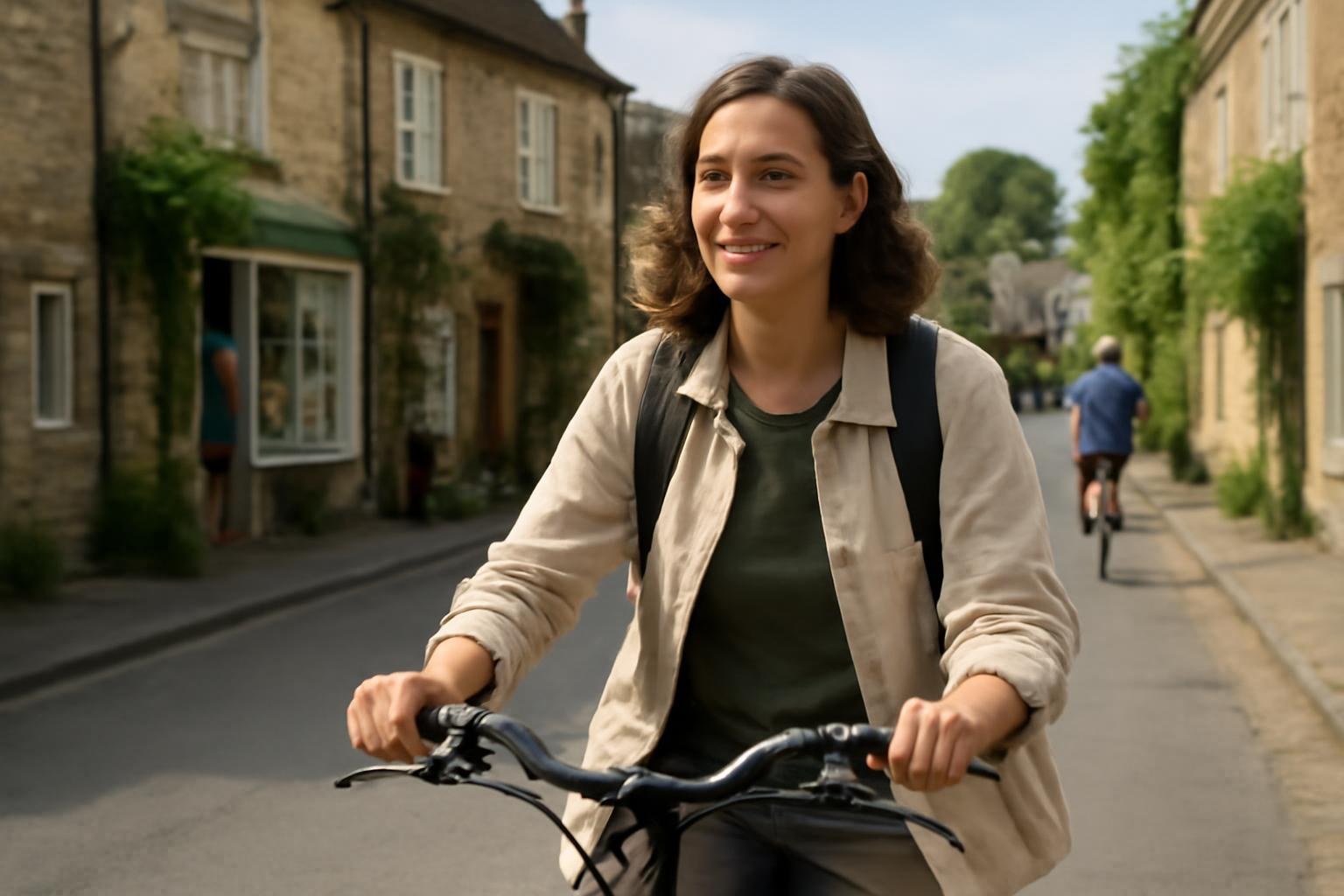
スローツーリズムは短時間でできるだけ多くの観光地を訪れることではなく、歩みをゆるめ、一つの場所をより長い時間をかけて知ることです。旅行者は公共交通機関や徒歩、地域の活動を選ぶことで、現地の暮らしにより近い旅行を楽しめます。
  • スローツーリズムは時間と地域の体験を重視する
  • 旅行者は電車に乗ったり自転車に乗ったりする
  • 小さな店と地域の住民が支援を受ける
  • スローツーリズムはストレスと無駄を減らせる
02

Listen First

まず聞く
00:00 / 00:00
03

Reading

記事を読む
English

Many travelers want to see a lot in a short time. They take a plane, visit many places, and follow a busy plan. Slow tourism offers a different way to travel. It asks people to stay longer, move more slowly, and enjoy one place carefully.

A slow traveler may choose a train instead of a short flight. They may walk through a town, ride a bicycle, or take a local bus. These choices can make the trip less rushed. Travelers also have more time to notice streets, buildings, parks, and daily life.

Food is an important part of slow tourism. Instead of eating at the same large restaurant everywhere, visitors can try food from a small local shop. They may talk with the owner and learn where the food comes from. This gives money to the local community and creates a warmer travel experience.

Slow travelers often choose small hotels, guesthouses, or family homes. They may join a cooking class, visit a farm, or learn a local craft. These activities are not only fun; they also help visitors understand the place and its people. A short conversation can become a special memory.

Slow tourism can be better for the environment. Walking and taking public transportation may create less pollution than using a car for every trip. Staying in one area can also mean fewer long rides. Travelers may buy fewer things and choose useful local products instead.

Slow tourism does not mean doing nothing or avoiding famous places. It means choosing quality over speed. Before a trip, travelers can pick one area and leave free time in the plan. When they return home, they may remember not only what they saw, but also how the place felt.

日本語訳

多くの旅行者は、短い時間でたくさんの場所を見たいと思っています。飛行機に乗り、多くの場所を訪れ、忙しい計画に従います。スローツーリズムは、異なる旅の方法を提案します。それは、より長く滞在し、よりゆっくり移動し、一つの場所をじっくり楽しむことを人々に求めます。

スロートラベラーは、短いフライトの代わりに電車を選ぶことがあります。町を歩いたり、自転車に乗ったり、地域のバスに乗ったりすることもあります。こうした選択によって、旅を急がずに済みます。また、旅行者は街路や建物、公園、そして日々の暮らしに気づく時間をより多く持てます。

食事はスローツーリズムの重要な一部です。どこへ行っても同じ大きなレストランで食事をする代わりに、旅行者は地元の小さな店の料理を試すことができます。店主と話し、食べ物がどこから来たのかを知ることもあるでしょう。これは地域社会にお金をもたらし、より温かい旅の体験を生み出します。

スロートラベラーは、小さなホテルやゲストハウス、または一般家庭を選ぶことがよくあります。料理教室に参加したり、農場を訪れたり、地元の工芸を学んだりすることもあります。こうした活動は楽しいだけでなく、旅行者がその場所と人々を理解する助けにもなります。短い会話が特別な思い出になることもあります。

スローツーリズムは環境にとってよりよい場合があります。徒歩や公共交通機関の利用は、毎回の移動で車を使うよりも、汚染を少なくできる可能性があります。一つの地域に滞在すれば、長距離の移動も少なくなるでしょう。旅行者は物を買う量を減らし、代わりに役立つ地元の商品を選ぶこともできます。

スローツーリズムは、何もしないことでも、有名な場所を避けることでもありません。それは、速さよりも質を選ぶという意味です。旅行前に、旅行者は一つの地域を選び、計画の中に自由な時間を残すことができます。家に帰ったとき、目にしたものだけでなく、その場所がどのように感じられたかも思い出すかもしれません。

04

Key Words

重要単語・フレーズ
5 件
05

Expressions

慣用表現
5 件
06

Practice

理解度テスト
10 問 +ディスカッション 3 問
0 /0 問

1 What does slow tourism ask travelers to do?
正解です。 不正解です。正解は緑色で示しています。
2 How can travelers support a local community?
正解です。 不正解です。正解は緑色で示しています。
3 What may slow travelers learn?
正解です。 不正解です。正解は緑色で示しています。
4 A slow may choose a train instead of a short flight.
正解です。 不正解です。正解は緑色で示しています。
5 People can enjoy one place .
正解です。 不正解です。正解は緑色で示しています。
6 This gives money to the local .
正解です。 不正解です。正解は緑色で示しています。
7 Slow tourism means choosing over speed.
正解です。 不正解です。正解は緑色で示しています。
8 A traveler may choose a train a short flight.
正解です。 不正解です。正解は緑色で示しています。
9 Travelers have more time notice daily life.
正解です。 不正解です。正解は緑色で示しています。
10 These activities are fun helpful.
正解です。 不正解です。正解は緑色で示しています。

Discussion

質問とディスカッション
3 問

以下の問いに正解はありません。英語で自分の考えを、1 問につき 3〜5 文で話してみましょう。

  1. 1 What place would you like to visit slowly, and what would you do there?
  2. 2 How can travel support local people?
  3. 3 What are the good and difficult parts of slow tourism?