
Many travelers want to see a lot in a short time. They take a plane, visit many places, and follow a busy plan. Slow tourism offers a different way to travel. It asks people to stay longer, move more slowly, and enjoy one place carefully.
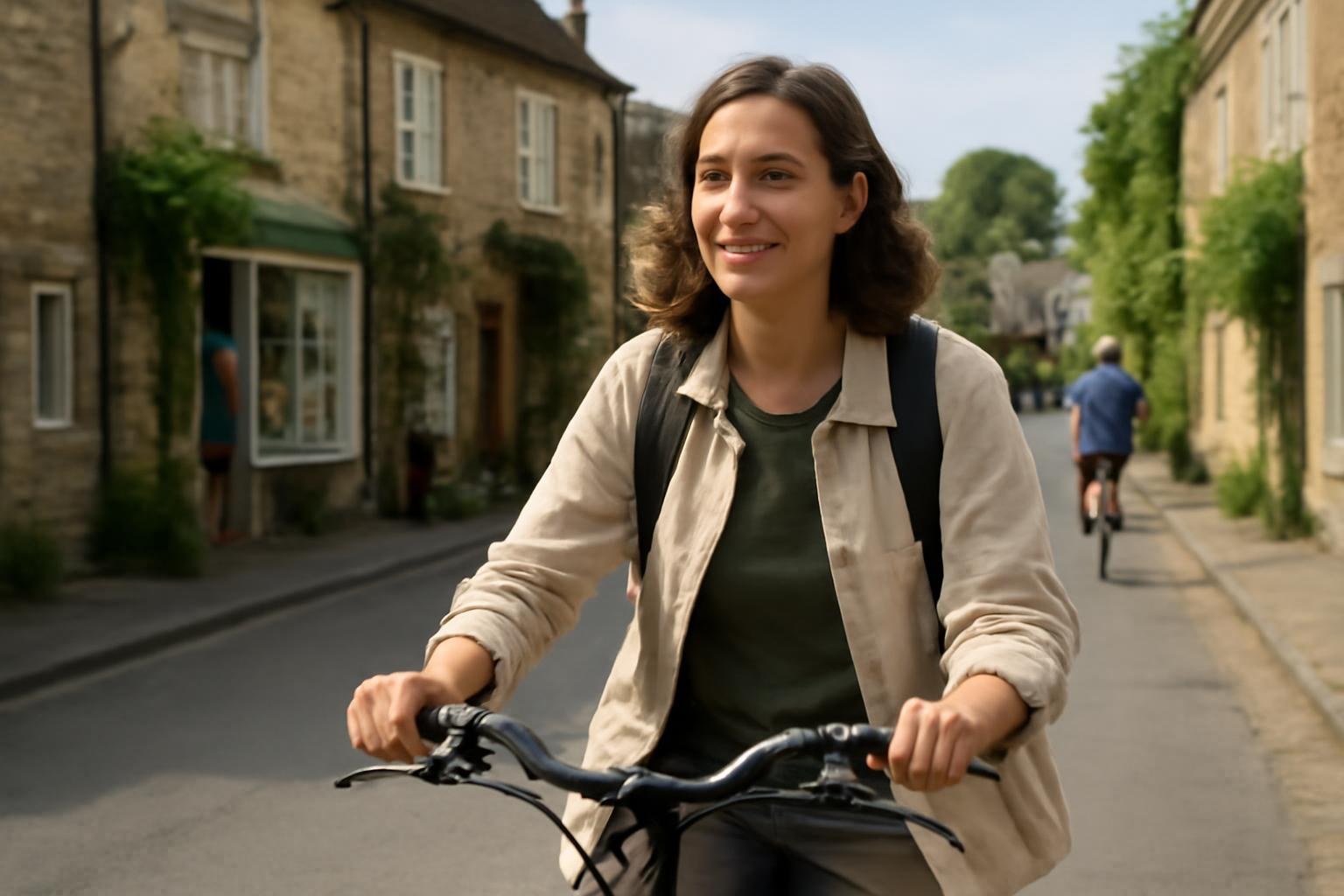
A slow traveler may choose a train instead of a short flight. They may walk through a town, ride a bicycle, or take a local bus. These choices can make the trip less rushed. Travelers also have more time to notice streets, buildings, parks, and daily life.
Food is an important part of slow tourism. Instead of eating at the same large restaurant everywhere, visitors can try food from a small local shop. They may talk with the owner and learn where the food comes from. This gives money to the local community and creates a warmer travel experience.
Slow travelers often choose small hotels, guesthouses, or family homes. They may join a cooking class, visit a farm, or learn a local craft. These activities are not only fun; they also help visitors understand the place and its people. A short conversation can become a special memory.
Slow tourism can be better for the environment. Walking and taking public transportation may create less pollution than using a car for every trip. Staying in one area can also mean fewer long rides. Travelers may buy fewer things and choose useful local products instead.
Slow tourism does not mean doing nothing or avoiding famous places. It means choosing quality over speed. Before a trip, travelers can pick one area and leave free time in the plan. When they return home, they may remember not only what they saw, but also how the place felt.