
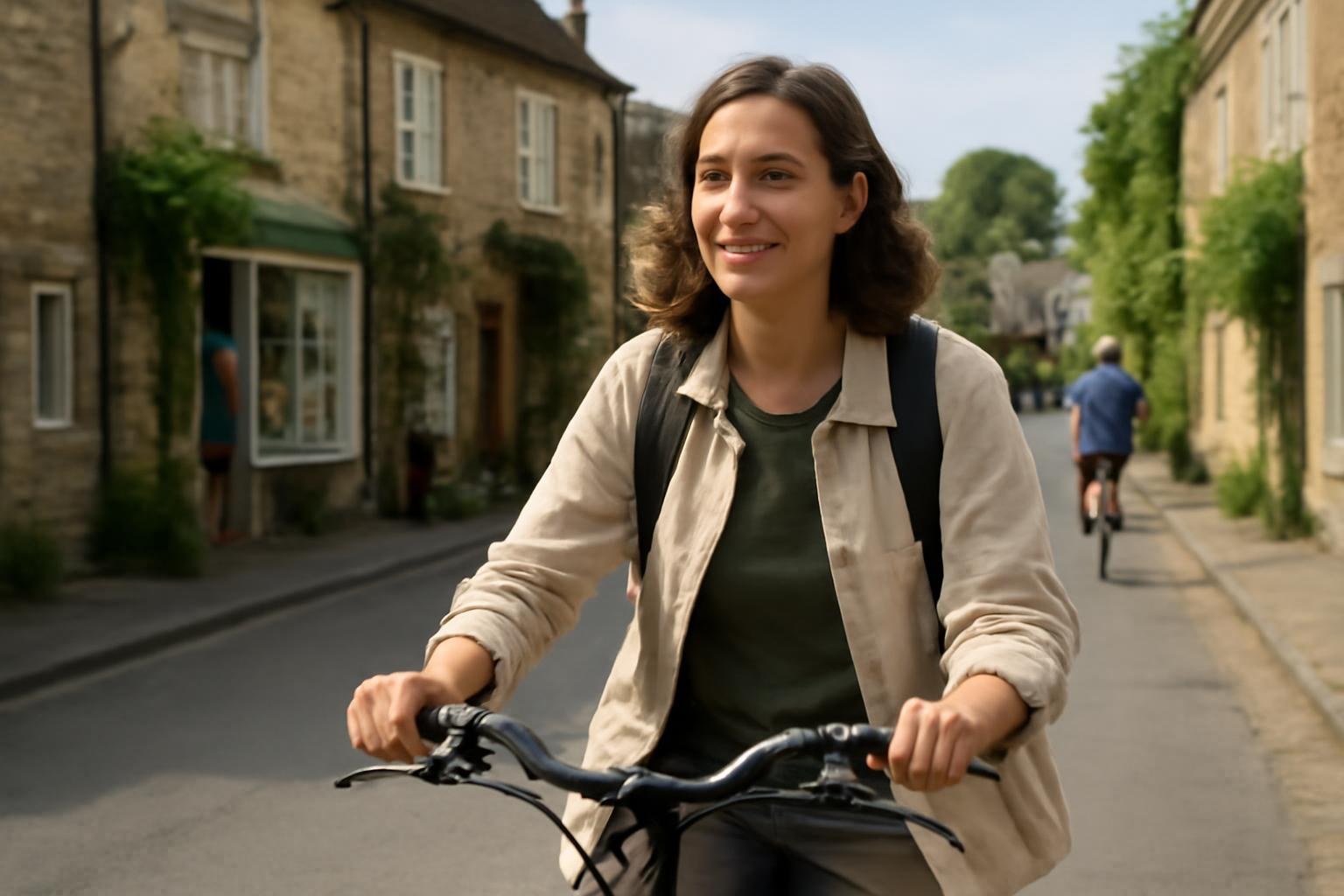
새로운 여행 방식: 느린 여행

게시일:2026-09-02 生活與日常 Level 1
새로운 여행 방식: 느린 여행
01

About This Article

이 기사에 대하여
배경
느린 여행은 짧은 시간 안에 최대한 많은 명소를 방문하는 것이 아니라, 걸음을 늦추고 한 장소를 더 오래 이해하는 데 시간을 쓰는 여행입니다. 여행자는 대중교통, 도보, 지역 활동을 선택하여 현지인의 생활에 더 가까이 다가갈 수 있습니다.
  • 느린 여행은 시간과 장소의 경험을 중시한다
  • 여행자는 기차를 타거나 자전거를 탄다
  • 작은 상점과 지역 주민을 지원한다
  • 느린 여행은 스트레스와 낭비를 줄일 수 있다
02

Listen First

먼저 듣기
00:00 / 00:00
03

Reading

기사 읽기
English

Many travelers want to see a lot in a short time. They take a plane, visit many places, and follow a busy plan. Slow tourism offers a different way to travel. It asks people to stay longer, move more slowly, and enjoy one place carefully.

A slow traveler may choose a train instead of a short flight. They may walk through a town, ride a bicycle, or take a local bus. These choices can make the trip less rushed. Travelers also have more time to notice streets, buildings, parks, and daily life.

Food is an important part of slow tourism. Instead of eating at the same large restaurant everywhere, visitors can try food from a small local shop. They may talk with the owner and learn where the food comes from. This gives money to the local community and creates a warmer travel experience.

Slow travelers often choose small hotels, guesthouses, or family homes. They may join a cooking class, visit a farm, or learn a local craft. These activities are not only fun; they also help visitors understand the place and its people. A short conversation can become a special memory.

Slow tourism can be better for the environment. Walking and taking public transportation may create less pollution than using a car for every trip. Staying in one area can also mean fewer long rides. Travelers may buy fewer things and choose useful local products instead.

Slow tourism does not mean doing nothing or avoiding famous places. It means choosing quality over speed. Before a trip, travelers can pick one area and leave free time in the plan. When they return home, they may remember not only what they saw, but also how the place felt.

한국어 번역

많은 여행자는 짧은 시간 안에 많은 것을 보고 싶어 합니다. 그들은 비행기를 타고 여러 장소를 방문하며 바쁜 계획을 따릅니다. 느린 여행은 다른 방식의 여행을 제안합니다. 느린 여행은 사람들이 더 오래 머물고, 더 천천히 이동하며, 한 장소를 꼼꼼히 즐기도록 합니다.

느린 여행자는 짧은 비행 대신 기차를 선택할 수 있습니다. 마을을 걸어 다니거나, 자전거를 타거나, 지역 버스를 이용할 수도 있습니다. 이러한 선택은 여행을 덜 서두르게 할 수 있습니다. 여행자는 거리, 건물, 공원, 일상생활을 눈여겨볼 시간도 더 많아집니다.

음식은 느린 여행에서 중요한 부분입니다. 방문객은 어디를 가든 같은 대형 식당에서 식사하는 대신, 작은 현지 상점의 음식을 맛볼 수 있습니다. 주인과 이야기를 나누며 음식이 어디에서 왔는지 배울 수도 있습니다. 이는 지역 공동체에 돈이 돌아가게 하고, 더욱 따뜻한 여행 경험을 만들어 줍니다.

느린 여행자는 작은 호텔, 게스트하우스 또는 가족이 운영하는 숙소를 선택하는 경우가 많습니다. 요리 수업에 참여하거나, 농장을 방문하거나, 지역 공예를 배울 수도 있습니다. 이러한 활동은 재미있을 뿐만 아니라 방문객이 그 장소와 사람들을 이해하는 데도 도움이 됩니다. 짧은 대화가 특별한 추억이 될 수 있습니다.

느린 여행은 환경에도 더 좋을 수 있습니다. 걷거나 대중교통을 이용하면 매번 자동차를 이용하는 것보다 오염을 덜 일으킬 수 있습니다. 한 지역에 머무르면 장거리 이동도 줄어들 수 있습니다. 여행자는 물건을 덜 사고, 대신 유용한 지역 상품을 선택할 수 있습니다.

느린 여행은 아무것도 하지 않거나 유명한 장소를 피한다는 뜻이 아닙니다. 속도보다 질을 선택한다는 뜻입니다. 여행 전에 여행자는 한 지역을 정하고 계획에 자유 시간을 남겨 둘 수 있습니다. 집으로 돌아온 뒤에는 자신이 무엇을 보았는지만이 아니라 그 장소가 어떤 느낌을 주었는지도 기억할 수 있습니다.

04

Key Words

핵심 단어·구
5 개
05

Expressions

관용 표현
5 개
06

Practice

이해도 테스트
10 문항 +토론 3문항
0 /0문항

1 What does slow tourism ask travelers to do?
정답입니다. 오답입니다. 정답은 초록색으로 표시했습니다.
2 How can travelers support a local community?
정답입니다. 오답입니다. 정답은 초록색으로 표시했습니다.
3 What may slow travelers learn?
정답입니다. 오답입니다. 정답은 초록색으로 표시했습니다.
4 A slow may choose a train instead of a short flight.
정답입니다. 오답입니다. 정답은 초록색으로 표시했습니다.
5 People can enjoy one place .
정답입니다. 오답입니다. 정답은 초록색으로 표시했습니다.
6 This gives money to the local .
정답입니다. 오답입니다. 정답은 초록색으로 표시했습니다.
7 Slow tourism means choosing over speed.
정답입니다. 오답입니다. 정답은 초록색으로 표시했습니다.
8 A traveler may choose a train a short flight.
정답입니다. 오답입니다. 정답은 초록색으로 표시했습니다.
9 Travelers have more time notice daily life.
정답입니다. 오답입니다. 정답은 초록색으로 표시했습니다.
10 These activities are fun helpful.
정답입니다. 오답입니다. 정답은 초록색으로 표시했습니다.

Discussion

질문과 토론
3 문항

아래 질문에는 정답이 없습니다. 영어로 자신의 생각을 한 문항당 3~5문장으로 말해 보세요.

  1. 1 What place would you like to visit slowly, and what would you do there?
  2. 2 How can travel support local people?
  3. 3 What are the good and difficult parts of slow tourism?