
きれいな水を見つけるのが難しいとき

公開日:2026-09-02 國中英語篇 Level 2
きれいな水を見つけるのが難しいとき
01

About This Article

この記事について
背景
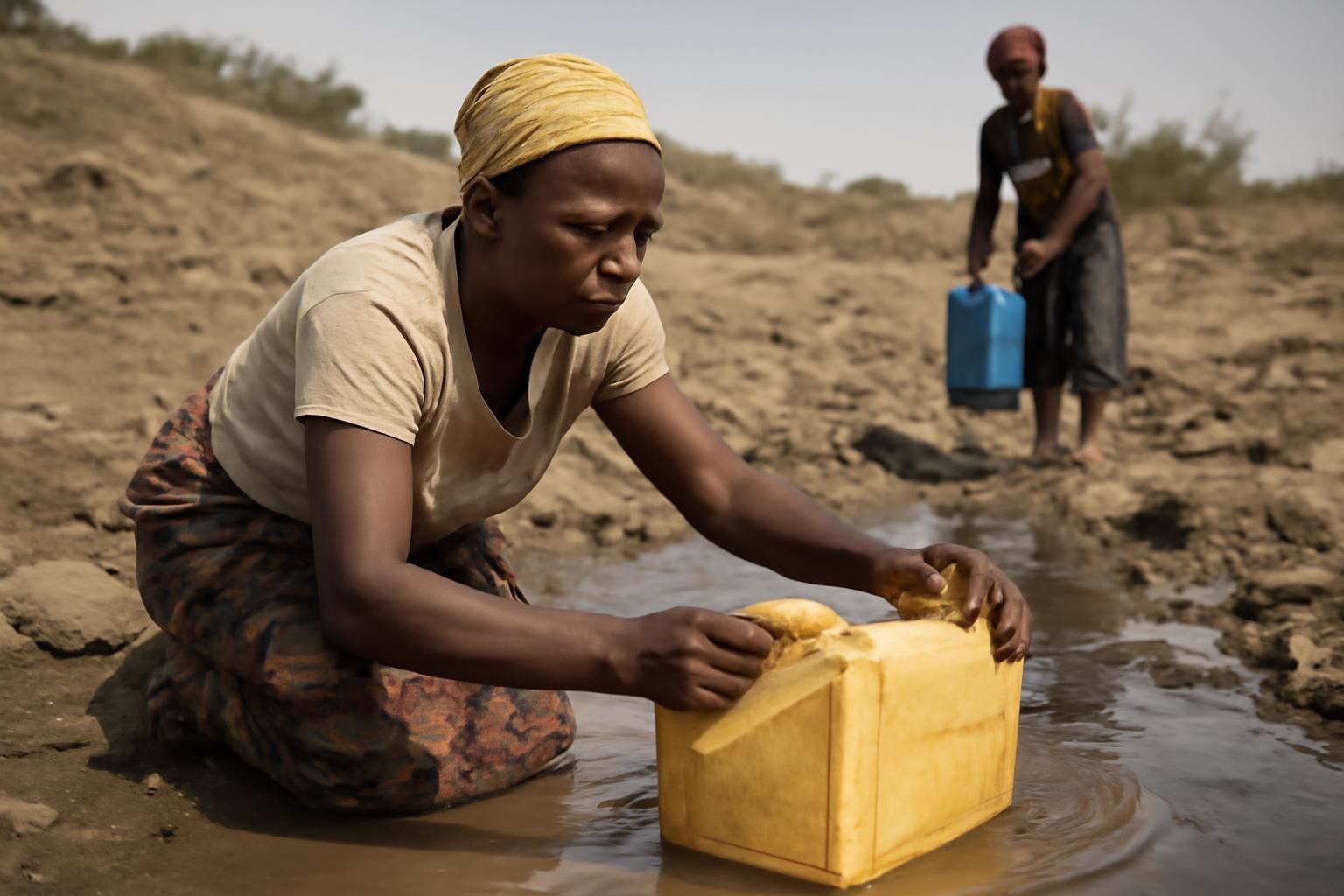
世界では今も、毎日安全な飲み水を手に入れられない人が大勢います。干ばつに見舞われた地域や、遠隔地、インフラが十分に整っていない地域では、人々は水をくむために長い距離を歩かなければならないことがあります。また、水の汚染によって病気にかかるリスクも高まります。この記事では、水不足が日常生活に与える影響と、人々が協力して状況を改善する方法を紹介します。
  • 生活におけるきれいな水の重要性
  • 水不足の地域の住民が毎日水をくむ際の困難
  • 汚染と気候変動がもたらす影響
  • 地域社会と組織が協力して解決策を探すこと
02

Listen First

まず聞く
00:00 / 00:00
03

Reading

記事を読む
English

For many people, turning on a kitchen tap is a normal part of the day. Clean water is used for drinking, cooking, washing, and growing food. However, in some villages and cities, safe water is difficult to find. Families may need to walk several kilometers to reach a well or a public water station.

This daily trip takes time and energy. Children who spend hours carrying water may have less time for school, and adults may have less time for work. The water they bring home is not always safe, either. It can contain dirt or harmful germs, especially when it is collected from an open river or a shallow well.

Water problems often become worse during a long dry season. When there is little rain, rivers become smaller and wells may disappear. Climate change can make these periods longer and more difficult to predict. At the same time, a growing population needs more water for homes, farms, and businesses.

Communities use different solutions to deal with the problem. Some groups build deep wells, rainwater tanks, or small systems that clean water with sunlight. Local workers teach families how to store water in covered containers and wash their hands before using it. These simple actions can reduce illness and protect children.

Governments and international organizations also have an important role. They can repair pipes, improve water stations, and support schools that teach health and hygiene. People who live far away should be included when new projects are planned, because they understand local needs best.

Clean water is more than a useful resource; it is connected to health, education, and human dignity. A village with safe water can spend less time fighting disease and more time building its future. Although the problem is serious, careful planning and community cooperation can help more people enjoy water that is safe and reliable.

日本語訳

多くの人にとって、台所の蛇口をひねることは一日の中で当たり前のことです。きれいな水は、飲み水や料理、洗濯、食料の栽培に使われます。しかし、村や都市によっては、安全な水を見つけるのが難しい場合があります。井戸や公共の給水所まで何キロも歩かなければならない家庭もあります。

この毎日の水くみには、時間と体力が必要です。何時間も水を運ぶ子どもたちは、学校で過ごす時間が少なくなるかもしれません。また、大人は仕事をする時間が減るかもしれません。さらに、家に持ち帰る水が必ずしも安全とは限りません。特に、開放された川や浅い井戸からくんだ水には、土や有害な細菌が含まれていることがあります。

長い乾季には、水の問題がさらに悪化することがよくあります。雨がほとんど降らないと、川の水量が減り、井戸が干上がることもあります。気候変動によって、こうした時期が長くなり、予測も難しくなる可能性があります。同時に、増え続ける人口は、家庭や農場、企業のためにより多くの水を必要としています。

地域社会は、この問題に対処するためにさまざまな解決策を用いています。深い井戸や雨水タンク、太陽の光で水をきれいにする小規模な設備を作る団体もあります。地域の作業員は、ふた付きの容器に水を保管する方法や、水を使う前に手を洗う方法を家庭に教えています。こうした簡単な行動によって、病気を減らし、子どもたちを守ることができます。

政府や国際機関も重要な役割を果たします。配管を修理したり、給水所を改善したり、健康や衛生を教える学校を支援したりすることができます。新しい事業を計画するときには、遠くに住む人々も参加できるようにすべきです。なぜなら、彼らが地域のニーズを最もよく理解しているからです。

きれいな水は単なる便利な資源ではありません。健康や教育、そして人間の尊厳にもつながっています。安全な水を利用できる村では、病気と闘うことに費やす時間を減らし、未来を築くための時間を増やすことができます。問題は深刻ですが、綿密な計画と地域社会の協力によって、より多くの人が安全で安定した水を利用できるようになります。

04

Key Words

重要単語・フレーズ
3 件
05

Expressions

慣用表現
3 件
06

Practice

理解度テスト
9 問 +ディスカッション 3 問
0 /0 問

1 Why may children have less time for school?
正解です。 不正解です。正解は緑色で示しています。
2 What can happen during a long dry season?
正解です。 不正解です。正解は緑色で示しています。
3 Why should local people be included in new water projects?
正解です。 不正解です。正解は緑色で示しています。
4 The water they bring home is not always .
正解です。 不正解です。正解は緑色で示しています。
5 It can dirt or harmful germs.
正解です。 不正解です。正解は緑色で示しています。
6 Schools can teach health and .
正解です。 不正解です。正解は緑色で示しています。
7 Safe water is difficult in some villages.
正解です。 不正解です。正解は緑色で示しています。
8 Children may spend hours water.
正解です。 不正解です。正解は緑色で示しています。
9 Clean water is connected health and education.
正解です。 不正解です。正解は緑色で示しています。

Discussion

質問とディスカッション
3 問

以下の問いに正解はありません。英語で自分の考えを、1 問につき 3〜5 文で話してみましょう。

  1. 1 What would you do if your family had to walk a long distance for water every day?
  2. 2 How can schools help people learn about clean water and good hygiene?
  3. 3 Which solution in the article would be most useful in your community, and why?