
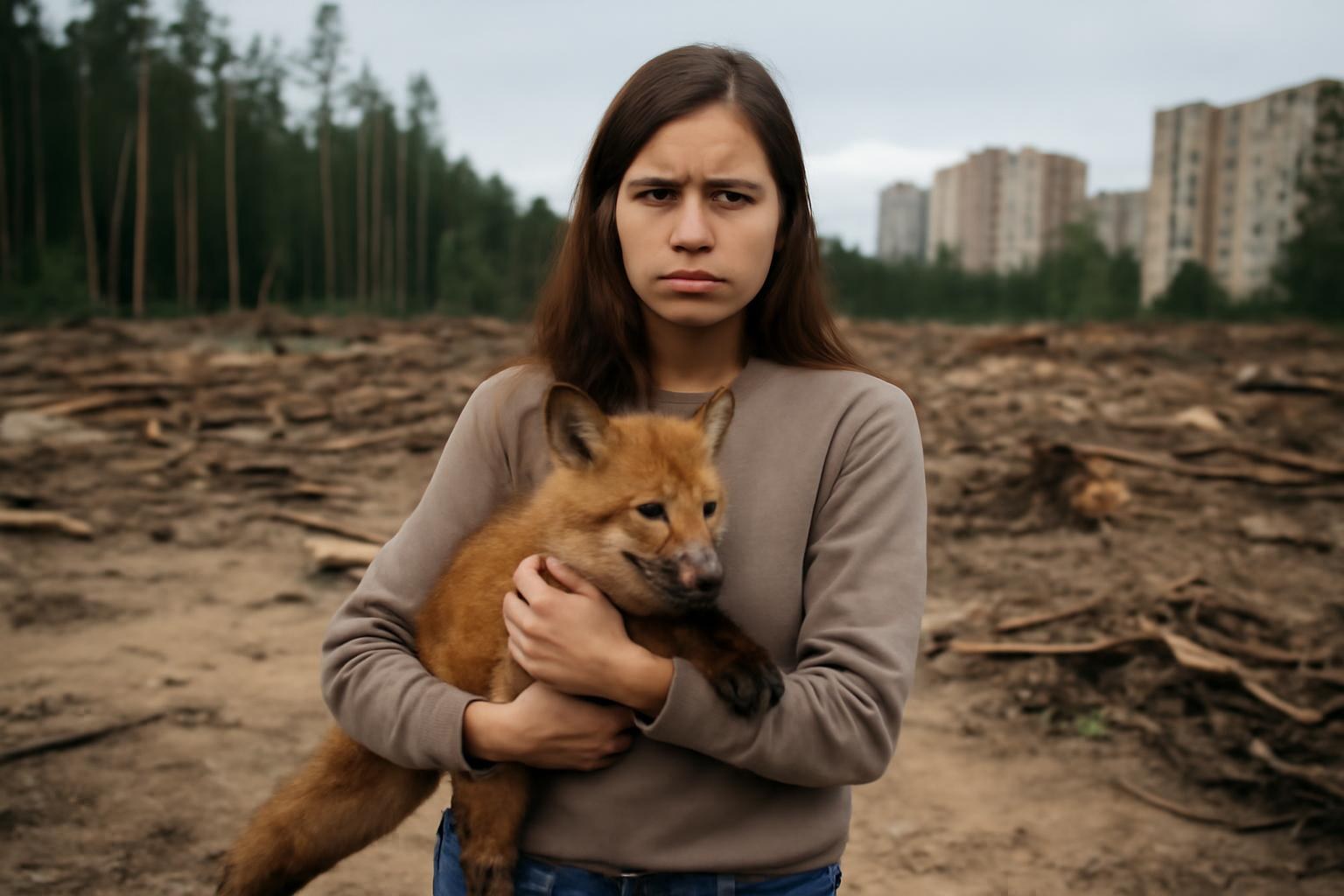
動物がすみかを失うと何が起こるのか?

公開日:2026-09-02 國中英語篇 Level 2
動物がすみかを失うと何が起こるのか?
01

About This Article

この記事について
背景
野生動物は、食べ物を探し、繁殖し、危険から身を守るために、適した生息地を必要とします。森林伐採、道路建設、汚染、気候変動によって、生息地が狭くなったり分断されたりすることがあります。自然地域を守り、異なる生息地をつなぐことは、生態系を維持するための重要な方法です。
  • 生息地の消失が野生動物に与える影響
  • 森林開発と都市の拡大によって生じる問題
  • 動物が食べ物や安全な場所を見つけることの難しさ
  • 生息地を守り、生態回廊をつくる方法
02

Listen First

まず聞く
00:00 / 00:00
03

Reading

記事を読む
English

Every animal needs a home. A forest, wetland, grassland, or coral reef can provide food, water, shelter, and a place to raise young. When people change these areas for farms, roads, or buildings, animals may lose the conditions they need to survive.

Some animals move to a new place after their home disappears. This journey can be dangerous because they may cross roads or enter areas near people. They may also compete with animals that already live there. If they cannot find enough food or a safe shelter, their health can become weak.

Other animals stay in the remaining part of their habitat. This can separate groups from one another and make it difficult for them to find mates. Small groups may also have fewer chances to share useful traits. Over time, the number of animals can fall, and some species may disappear from that area.

The loss of one species can affect many others. For example, insects may pollinate plants, and birds may spread seeds. If these animals become rare, plants may produce less food for other creatures. A change at one level of a food chain can therefore influence the whole ecosystem.

People are finding ways to protect animal homes. National parks can keep important forests and wetlands safe from harmful development. Wildlife bridges and tunnels allow animals to cross roads more safely. In some places, workers restore damaged land by planting native trees and cleaning polluted water.

Local communities are important partners in this work. Residents can protect nearby nature, report illegal hunting, and choose products that do less harm to forests and oceans. Governments must also plan carefully before building new projects. When people respect the needs of animals, they protect clean air, healthy soil, and water that humans need too.

日本語訳

すべての動物にはすみかが必要です。森林、湿地、草原、サンゴ礁は、食べ物や水、身を守る場所、そして子どもを育てる場所を与えてくれます。人々が農場や道路、建物をつくるためにこうした地域を変えると、動物は生き残るために必要な環境を失うことがあります。

すみかがなくなった後、新しい場所へ移動する動物もいます。この移動は危険になることがあります。道路を渡ったり、人々の近くの地域に入ったりしなければならないかもしれないからです。また、すでにそこに住んでいる動物たちと競争することもあります。十分な食べ物や安全な隠れ場所を見つけられなければ、健康が弱ってしまうことがあります。

残された生息地にとどまる動物もいます。そのため、集団同士が離ればなれになり、つがいを見つけることが難しくなる場合があります。小さな集団では、役に立つ特徴を共有する機会も少なくなる可能性があります。時間がたつにつれて動物の数が減り、その地域から姿を消す種もあるかもしれません。

1つの種が失われると、多くのほかの生物にも影響が及ぶことがあります。例えば、昆虫は植物の受粉を助け、鳥は種子を運ぶことがあります。こうした動物が少なくなると、植物がほかの生物のためにつくる食べ物も減る可能性があります。したがって、食物連鎖のある段階で起きた変化が、生態系全体に影響を与えることがあるのです。

人々は、動物のすみかを守る方法を見つけています。国立公園は、重要な森林や湿地を有害な開発から守ることができます。野生動物用の橋やトンネルがあれば、動物はより安全に道路を渡ることができます。場所によっては、作業員が在来種の木を植えたり、汚染された水をきれいにしたりして、傷ついた土地を回復させています。

地域社会は、この取り組みにおける重要な協力者です。住民は近くの自然を守り、違法な狩猟を通報し、森林や海洋への害が少ない製品を選ぶことができます。政府もまた、新しい事業を始める前に慎重に計画しなければなりません。人々が動物の必要とするものを尊重すれば、人間にも必要なきれいな空気、豊かな土壌、そして水を守ることにもつながります。

04

Key Words

重要単語・フレーズ
3 件
05

Expressions

慣用表現
3 件
06

Practice

理解度テスト
9 問 +ディスカッション 3 問
0 /0 問

1 What can a natural habitat provide?
正解です。 不正解です。正解は緑色で示しています。
2 Why can moving to a new place be dangerous for animals?
正解です。 不正解です。正解は緑色で示しています。
3 How can wildlife bridges help animals?
正解です。 不正解です。正解は緑色で示しています。
4 Every animal needs a .
正解です。 不正解です。正解は緑色で示しています。
5 Some may disappear from an area.
正解です。 不正解です。正解は緑色で示しています。
6 Workers damaged land by planting native trees.
正解です。 不正解です。正解は緑色で示しています。
7 A forest can provide animals food and shelter.
正解です。 不正解です。正解は緑色で示しています。
8 Habitat loss can make it difficult for animals find mates.
正解です。 不正解です。正解は緑色で示しています。
9 Communities are important in animal homes.
正解です。 不正解です。正解は緑色で示しています。

Discussion

質問とディスカッション
3 問

以下の問いに正解はありません。英語で自分の考えを、1 問につき 3〜5 文で話してみましょう。

  1. 1 What animal in your area might need better protection, and what kind of habitat does it need?
  2. 2 How could people build roads or homes while causing less harm to animals?
  3. 3 What can students do to help protect local habitats?