
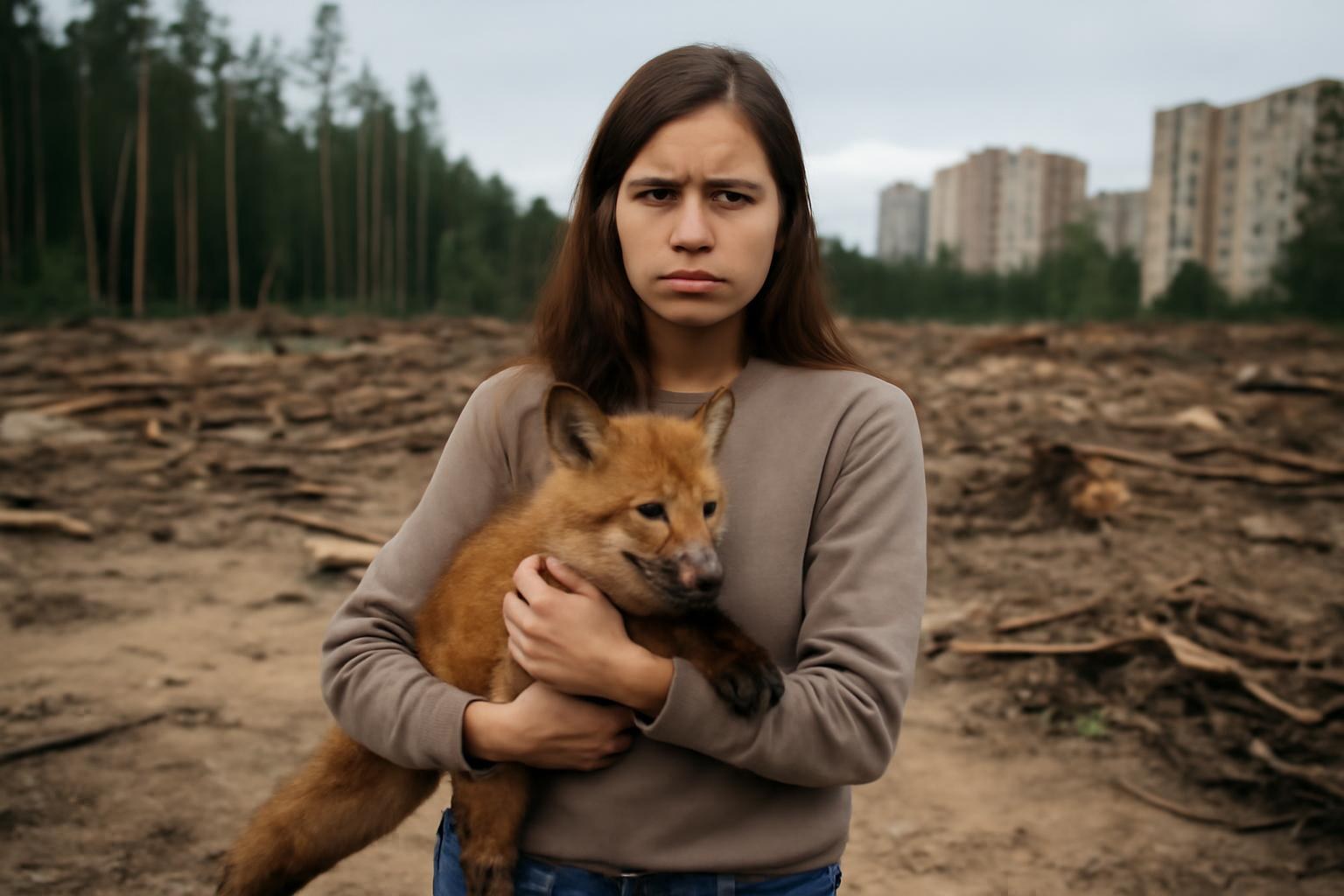
Every animal needs a home. A forest, wetland, grassland, or coral reef can provide food, water, shelter, and a place to raise young. When people change these areas for farms, roads, or buildings, animals may lose the conditions they need to survive.
Some animals move to a new place after their home disappears. This journey can be dangerous because they may cross roads or enter areas near people. They may also compete with animals that already live there. If they cannot find enough food or a safe shelter, their health can become weak.
Other animals stay in the remaining part of their habitat. This can separate groups from one another and make it difficult for them to find mates. Small groups may also have fewer chances to share useful traits. Over time, the number of animals can fall, and some species may disappear from that area.
The loss of one species can affect many others. For example, insects may pollinate plants, and birds may spread seeds. If these animals become rare, plants may produce less food for other creatures. A change at one level of a food chain can therefore influence the whole ecosystem.
People are finding ways to protect animal homes. National parks can keep important forests and wetlands safe from harmful development. Wildlife bridges and tunnels allow animals to cross roads more safely. In some places, workers restore damaged land by planting native trees and cleaning polluted water.
Local communities are important partners in this work. Residents can protect nearby nature, report illegal hunting, and choose products that do less harm to forests and oceans. Governments must also plan carefully before building new projects. When people respect the needs of animals, they protect clean air, healthy soil, and water that humans need too.