
若者と地球の未来

公開日:2026-09-02 國中英語篇 Level 2
若者と地球の未来
01

About This Article

この記事について
背景
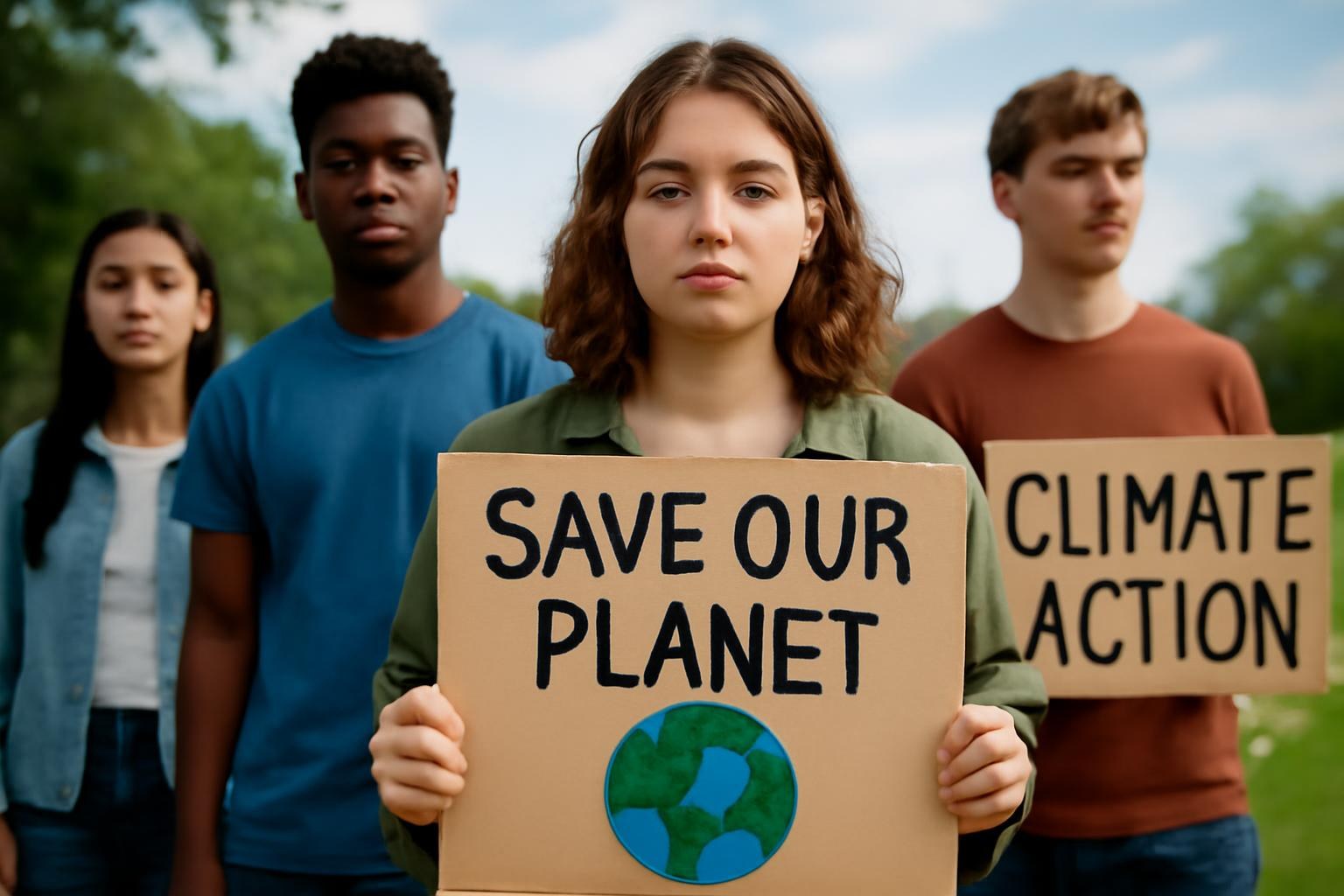
若者は将来、より多くの環境に関する意思決定を担うことになりますが、今から変化に参加することもできます。エネルギーを節約し、無駄を減らし、公共交通機関を利用することは、個人で取り組める行動です。さらに重要なのは、生徒たちが協力や調査、公開討論を通して、学校や地域の政策に影響を与えられることです。
  • 若者が気候や環境問題に向き合う
  • 日常の選択が地球に与える影響
  • 生徒たちが学校や地域の活動に参加すること
  • 協力と教育がもたらす長期的な変化
02

Listen First

まず聞く
00:00 / 00:00
03

Reading

記事を読む
English

Young people often hear about climate change, plastic pollution, and the loss of forests. These problems can seem too large for one person to solve. However, young people are not only future adults; they are also members of today's communities. Their choices and voices can already make a difference.

Small daily actions are a useful beginning. Students can save electricity by turning off lights and devices when they are not needed. They can carry a reusable bottle, avoid buying more food than they can eat, and choose to walk, ride a bicycle, or take public transportation when possible.

Individual actions are important, but teamwork can create a larger effect. At one school, students may start a recycling plan or plant trees in an empty space. At another school, they may measure the amount of food thrown away in the cafeteria and suggest ways to reduce it. These projects teach students to study a problem before choosing a solution.

Young people can also speak with adults and local leaders. They might write a letter, give a presentation, or attend a community meeting. Respectful discussion helps people understand different opinions. A student who shares clear information may encourage a family, a school, or a town to change its habits.

Education is necessary for lasting progress. Students need to learn how energy, water, food, and transportation are connected to the environment. They should also learn to check information carefully, because not every message online is correct. Knowledge helps young people make reasonable decisions instead of following every popular idea.

The future of the planet will not depend on one perfect person or one amazing invention. It will depend on millions of people working together over many years. Young people can begin with practical actions, learn from results, and continue improving their plans. When they believe their voices matter, they become active citizens who can help build a healthier future.

日本語訳

若者は、気候変動やプラスチック汚染、森林の減少についてよく耳にします。これらの問題は、1人では解決できないほど大きく思えるかもしれません。しかし、若者は未来の大人であるだけではなく、今日の地域社会の一員でもあります。彼らの選択や声は、すでに変化をもたらすことができます。

毎日の小さな行動が、よい出発点になります。生徒たちは、必要のないときに照明や機器の電源を切ることで、電気を節約できます。再利用できるボトルを持ち歩いたり、食べきれないほど多くの食べ物を買わないようにしたり、可能なときには歩いたり自転車に乗ったり公共交通機関を利用したりすることもできます。

個人の行動は重要ですが、チームワークによって、より大きな効果を生み出すことができます。ある学校では、生徒たちがリサイクル計画を始めたり、空いている場所に木を植えたりするかもしれません。別の学校では、食堂で捨てられる食べ物の量を測り、それを減らす方法を提案するかもしれません。こうしたプロジェクトは、生徒たちに、解決策を選ぶ前に問題を調べることを教えます。

若者は、大人や地域のリーダーたちと話すこともできます。手紙を書いたり、発表を行ったり、地域の集会に参加したりすることが考えられます。互いを尊重した話し合いは、人々が異なる意見を理解するのに役立ちます。明確な情報を共有する生徒は、家庭や学校、町が習慣を変えるきっかけを作るかもしれません。

持続的な進歩には、教育が必要です。生徒たちは、エネルギー、水、食べ物、交通が環境とどのようにつながっているのかを学ぶ必要があります。また、ネット上のすべての情報が正しいとは限らないため、情報を注意深く確認することも学ぶべきです。知識があれば、若者は流行している考えに何でも従うのではなく、合理的な判断を下すことができます。

地球の未来は、1人の完璧な人や、1つの驚くべき発明にかかっているのではありません。何年にもわたって何百万人もの人々が協力することにかかっています。若者は実際的な行動から始め、結果から学び、計画を改善し続けることができます。自分たちの声には意味があると信じるとき、若者は、より健やかな未来を築く助けとなる積極的な市民になるのです。

04

Key Words

重要単語・フレーズ
3 件
05

Expressions

慣用表現
3 件
06

Practice

理解度テスト
9 問 +ディスカッション 3 問
0 /0 問

1 Why are young people members of today's communities?
正解です。 不正解です。正解は緑色で示しています。
2 What may students measure in a school cafeteria?
正解です。 不正解です。正解は緑色で示しています。
3 Why should students check online information carefully?
正解です。 不正解です。正解は緑色で示しています。
4 Students can carry a bottle.
正解です。 不正解です。正解は緑色で示しています。
5 Knowledge helps students make decisions.
正解です。 不正解です。正解は緑色で示しています。
6 Young people can become active .
正解です。 不正解です。正解は緑色で示しています。
7 Their choices and voices can make a .
正解です。 不正解です。正解は緑色で示しています。
8 Students can use public transportation when .
正解です。 不正解です。正解は緑色で示しています。
9 The future will depend millions of people working together.
正解です。 不正解です。正解は緑色で示しています。

Discussion

質問とディスカッション
3 問

以下の問いに正解はありません。英語で自分の考えを、1 問につき 3〜5 文で話してみましょう。

  1. 1 What environmental action could you start at your school, and how would it help?
  2. 2 How can young people discuss environmental problems with adults respectfully?
  3. 3 Which daily habit would you most like to change for the planet, and why?