
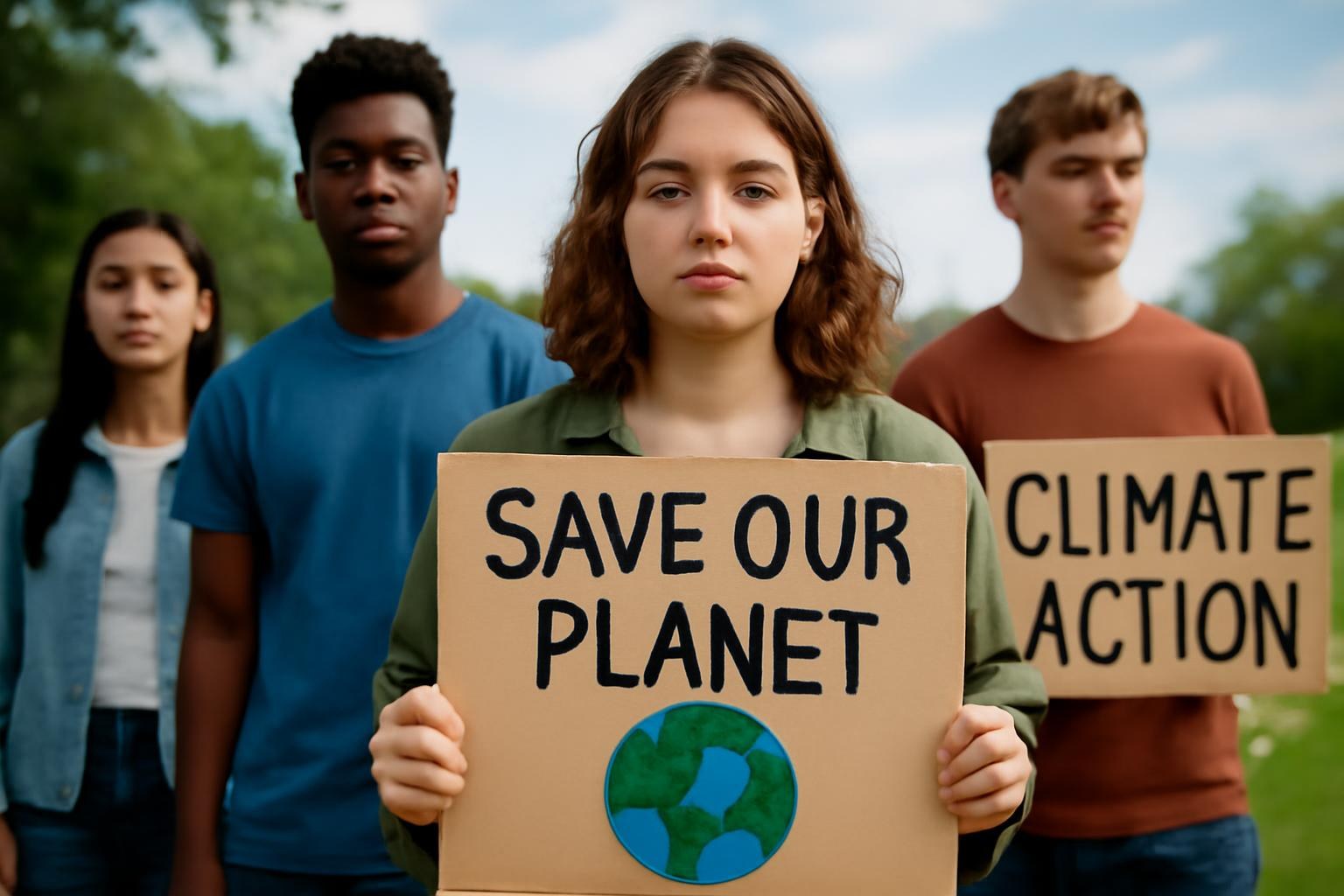
Young people often hear about climate change, plastic pollution, and the loss of forests. These problems can seem too large for one person to solve. However, young people are not only future adults; they are also members of today's communities. Their choices and voices can already make a difference.
Small daily actions are a useful beginning. Students can save electricity by turning off lights and devices when they are not needed. They can carry a reusable bottle, avoid buying more food than they can eat, and choose to walk, ride a bicycle, or take public transportation when possible.
Individual actions are important, but teamwork can create a larger effect. At one school, students may start a recycling plan or plant trees in an empty space. At another school, they may measure the amount of food thrown away in the cafeteria and suggest ways to reduce it. These projects teach students to study a problem before choosing a solution.
Young people can also speak with adults and local leaders. They might write a letter, give a presentation, or attend a community meeting. Respectful discussion helps people understand different opinions. A student who shares clear information may encourage a family, a school, or a town to change its habits.
Education is necessary for lasting progress. Students need to learn how energy, water, food, and transportation are connected to the environment. They should also learn to check information carefully, because not every message online is correct. Knowledge helps young people make reasonable decisions instead of following every popular idea.
The future of the planet will not depend on one perfect person or one amazing invention. It will depend on millions of people working together over many years. Young people can begin with practical actions, learn from results, and continue improving their plans. When they believe their voices matter, they become active citizens who can help build a healthier future.