
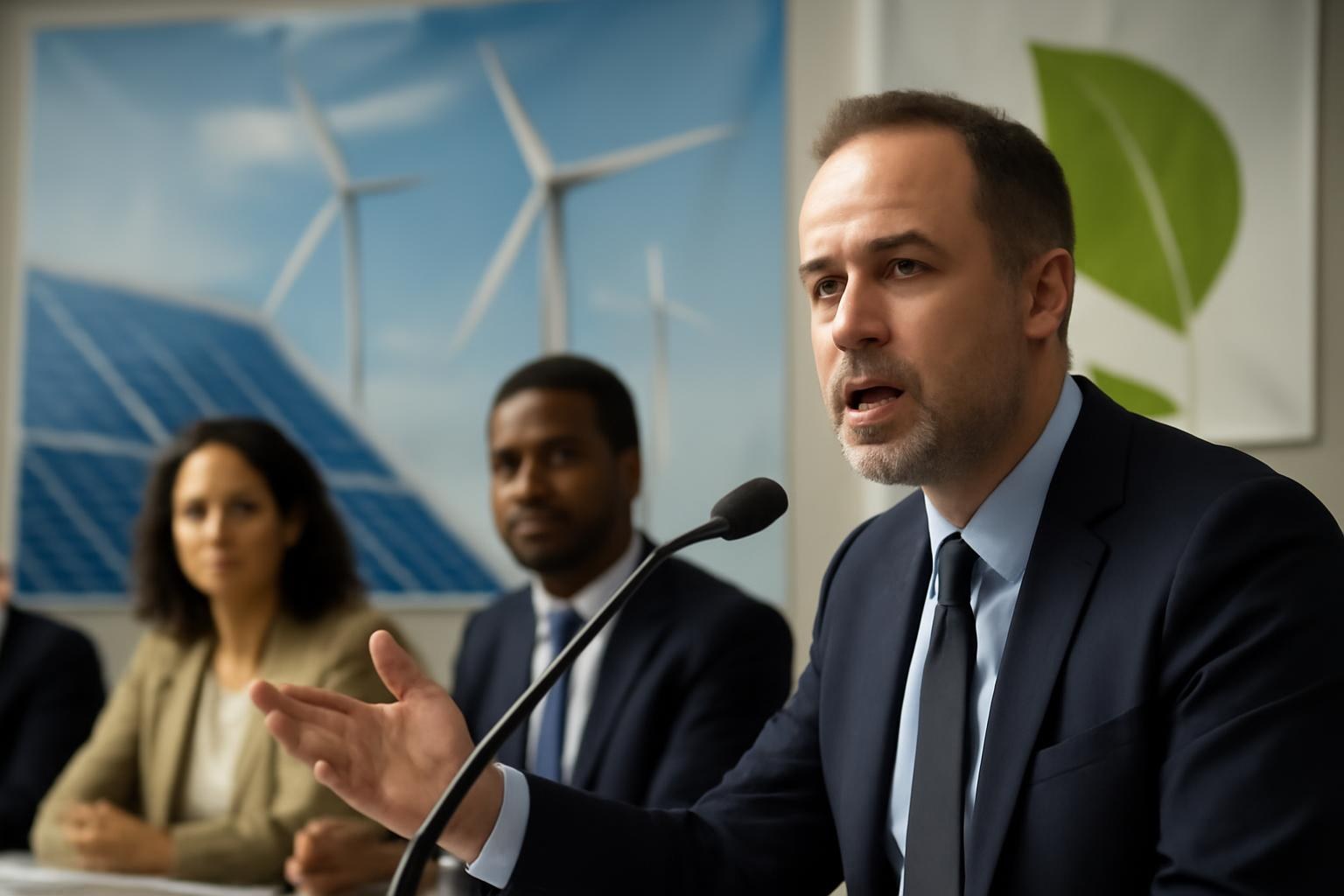
各国、再生可能エネルギーの未来をめぐり議論

公開日:2026-09-03 世界與新聞 Level 3
各国、再生可能エネルギーの未来をめぐり議論
01

About This Article

この記事について
背景
2026年も、各国はエネルギー転換政策の調整を続けています。再生可能エネルギーのコストと技術は徐々に改善していますが、電力供給の安定性、蓄電設備、土地利用、サプライチェーンの問題が、政策をめぐる議論を依然として複雑にしています。
  • 各国が再生可能エネルギーの導入速度とコストを議論
  • 太陽光発電と風力発電には柔軟な電力網が必要
  • 原子力と天然ガスは議論の中で依然として意見が分かれている
  • 政策立案者は信頼性が高く、手頃な価格のエネルギーを模索
02

Listen First

まず聞く
00:00 / 00:00
03

Reading

記事を読む
English

In 2026, countries are debating how quickly they should expand renewable energy. Solar and wind power have become important parts of many national plans, but governments disagree about the best pace and the most practical combination of technologies. Supporters say faster investment can reduce emissions and dependence on imported fuel. Critics worry that rapid expansion may increase electricity costs or create reliability problems.

The central challenge is that renewable power is variable. Solar panels produce less electricity at night or during heavy cloud, while wind turbines depend on weather conditions. A modern grid must therefore match changing supply with changing demand. Batteries, pumped-storage facilities, improved forecasts, and stronger connections between regions can help, but each solution requires money and careful planning.

Countries are also discussing what role other energy sources should play during the transition. Some governments view nuclear power as a stable low-carbon option, while others remain concerned about construction costs, safety, and waste. Natural gas can provide flexible backup, yet burning it still produces greenhouse gases and may expose consumers to volatile fuel prices. There is no single policy that fits every geography or economy.

Industrial policy has become part of the debate as well. Solar panels, batteries, and wind equipment depend on minerals and manufacturing networks that are concentrated in particular countries. Governments want to build local factories and create jobs, but domestic production may be more expensive. They must decide whether energy security, employment, and lower prices can be achieved at the same time.

Public acceptance will influence the outcome. New power lines, wind farms, and large solar projects can face opposition when residents fear noise, land loss, or damage to local landscapes. Successful projects usually involve communities early, explain the benefits clearly, and provide fair compensation. The future of renewable energy will depend not only on technology, but also on trust, affordable electricity, and policies that remain stable across political changes.

日本語訳

2026年、各国は再生可能エネルギーをどれほど速く拡大すべきかを議論しています。太陽光発電と風力発電は、多くの国の計画で重要な部分となっていますが、最適な導入ペースや、最も現実的な技術の組み合わせについて、各国政府の意見は一致していません。支持者は、より速い投資によって排出量と輸入燃料への依存を減らせると主張しています。一方、批判する人々は、急速な拡大によって電気料金が上昇したり、電力供給の信頼性に問題が生じたりする可能性を懸念しています。

中心的な課題は、再生可能エネルギーによる電力には変動があることです。太陽光パネルは夜間や厚い雲に覆われているときには発電量が少なくなり、風力タービンは天候に左右されます。そのため、現代の電力網は変化する供給と変化する需要を一致させなければなりません。蓄電池、揚水発電施設、より精度の高い予測、地域間の接続強化などが役立ちますが、それぞれの解決策には資金と綿密な計画が必要です。

各国は、移行期に他のエネルギー源がどのような役割を果たすべきかについても議論しています。原子力を安定した低炭素の選択肢と考える政府がある一方で、建設費、安全性、廃棄物について懸念を持ち続けている政府もあります。天然ガスは柔軟なバックアップを提供できますが、燃焼すれば温室効果ガスを排出し、消費者を変動の激しい燃料価格にさらす可能性もあります。どの地域や経済にも適合する単一の政策はありません。

産業政策もまた、この議論の一部となっています。太陽光パネル、蓄電池、風力発電設備は、特定の国々に集中している鉱物資源と製造ネットワークに依存しています。各国政府は国内工場を建設し、雇用を創出したいと考えていますが、国内生産はより高額になる可能性があります。政府は、エネルギー安全保障、雇用、低価格を同時に実現できるかどうかを判断しなければなりません。

国民の受け入れも結果に影響します。新しい送電線、風力発電所、大規模な太陽光発電事業は、住民が騒音や土地の喪失、地域の景観への被害を懸念すると、反対に直面することがあります。成功する事業は通常、早い段階から地域社会を参加させ、利益を明確に説明し、公正な補償を提供します。再生可能エネルギーの未来は、技術だけでなく、信頼、手頃な価格の電力、そして政治の変化を越えて安定して維持される政策にも左右されます。

04

Key Words

重要単語・フレーズ
5 件
05

Expressions

慣用表現
5 件
06

Practice

理解度テスト
5 問 +ディスカッション 3 問
0 /0 問

1 Why do critics worry about rapid renewable-energy expansion?
正解です。 不正解です。正解は緑色で示しています。
2 Why must modern grids respond to changing supply?
正解です。 不正解です。正解は緑色で示しています。
3 What concern is associated with nuclear power?
正解です。 不正解です。正解は緑色で示しています。
4 Why do governments want local factories?
正解です。 不正解です。正解は緑色で示しています。
5 What can help communities accept new energy projects?
正解です。 不正解です。正解は緑色で示しています。

Discussion

質問とディスカッション
3 問

以下の問いに正解はありません。英語で自分の考えを、1 問につき 3〜5 文で話してみましょう。

  1. 1 Which energy sources should your country prioritize during the transition, and why?
  2. 2 How can governments balance local concerns with the need to build new power infrastructure?
  3. 3 What would make you trust a national renewable-energy policy?