
ホルムズ海峡危機、世界のエネルギー懸念を高める

公開日:2026-09-03 世界與新聞 Level 3
ホルムズ海峡危機、世界のエネルギー懸念を高める
01

About This Article

この記事について
背景
ホルムズ海峡はペルシャ湾の出口に位置し、世界で重要なエネルギー海上輸送路となっている。2026年の危機をめぐる議論では、航行の安全、船舶の航路変更、国際協力、そして海峡が封鎖された場合にエネルギー価格へ連鎖的に及ぶ影響に焦点が当てられている。
  • ホルムズ海峡は重要なエネルギー輸送路である
  • 安全上の懸念により船舶は航路変更を迫られる可能性がある
  • 原油価格と保険料が上昇する可能性がある
  • 各国は護衛と代替供給の方案を評価している
02

Listen First

まず聞く
00:00 / 00:00
03

Reading

記事を読む
English

The Strait of Hormuz is again at the center of global energy concerns in 2026. This narrow waterway connects the Persian Gulf with the open sea and carries a substantial share of internationally traded oil and gas. Because many producers and importers depend on it, even a temporary security crisis can attract attention far beyond the Middle East. Markets respond not only to actual interruptions, but also to warnings that shipping may become unsafe.

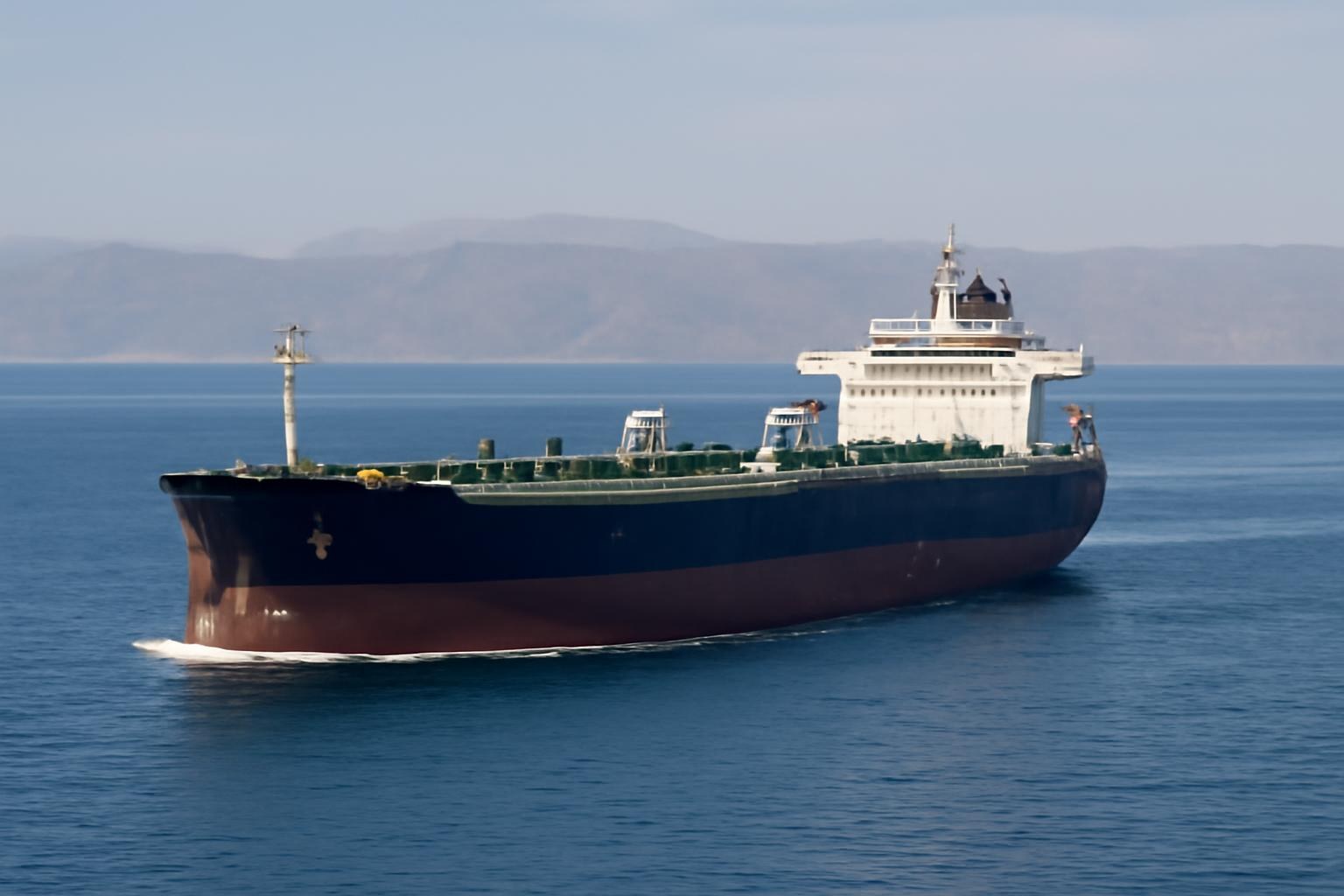
A crisis in the strait can affect ships in several ways. Tanker operators may delay departures, request naval protection, or choose longer routes around the Arabian Peninsula when alternatives are available. Such decisions increase fuel use, travel time, and insurance costs. They may also reduce the number of vessels willing to carry energy cargoes, creating additional pressure on supply chains.

Governments must balance security, diplomacy, and economic interests. Some may support international patrols designed to protect commercial shipping, while others may worry that a larger military presence could increase tension. Officials also communicate with shipping companies and energy producers to assess threats and share information. Clear communication is important because rumors can cause sudden market movements even when physical supplies remain adequate.

Consumers may feel the consequences indirectly. Higher crude prices can raise the cost of gasoline, air travel, heating, and products made with petroleum-based materials. Importing countries may use emergency reserves or seek cargoes from other suppliers, but alternative sources cannot always replace the same volume quickly. Developing countries with limited financial resources may have the greatest difficulty absorbing the shock.

The situation is renewing debate about long-term energy resilience. Countries can reduce exposure by diversifying import routes, improving public transportation, expanding renewable electricity, and maintaining sufficient reserves. These policies cannot eliminate geopolitical risk, but they can make an economy less dependent on one narrow passage. The Strait of Hormuz demonstrates how a small geographic chokepoint can influence decisions made by governments, companies, and households around the world.

日本語訳

2026年、ホルムズ海峡は再び世界的なエネルギー懸念の中心となっている。この狭い水路はペルシャ湾と外洋を結び、国際的に取引される石油と天然ガスのかなりの割合を輸送している。多くの生産国と輸入国がこの水路に依存しているため、たとえ一時的な安全保障上の危機であっても、中東から遠く離れた地域にまで関心を集める可能性がある。市場は実際の供給中断だけでなく、海運が危険になる可能性を示す警告にも反応する。

海峡で危機が起きると、船舶はさまざまな影響を受ける可能性がある。タンカー運航会社は出港を遅らせたり、海軍の護衛を要請したり、代替ルートが利用できる場合にはアラビア半島を迂回するより長い航路を選んだりすることがある。こうした判断によって、燃料使用量、航行時間、保険料が増加する。また、エネルギー貨物の輸送を引き受ける船舶の数が減り、サプライチェーンにさらなる圧力がかかる可能性もある。

各国政府は、安全保障、外交、経済的利益のバランスを取らなければならない。商業航運を守るための国際的な巡回活動を支持する国がある一方で、軍事的な存在感が高まれば緊張が激しくなるのではないかと懸念する国もある。政府当局者はまた、脅威を評価し情報を共有するため、海運会社やエネルギー生産者と連絡を取る。物理的な供給が十分に保たれている場合でも、うわさが市場の急激な変動を引き起こす可能性があるため、明確な意思疎通が重要である。

消費者は間接的に影響を感じることがある。原油価格の上昇は、ガソリン、航空旅行、暖房、石油由来の材料を使った製品の費用を押し上げる可能性がある。輸入国は緊急備蓄を利用したり、他の供給業者から貨物を調達したりすることがあるが、代替供給源が同じ量をすぐに補えるとは限らない。財政資源が限られている発展途上国は、この衝撃を吸収することが最も難しい可能性がある。

この状況により、長期的なエネルギー・レジリエンスをめぐる議論が再び活発になっている。各国は、輸入ルートの多様化、公共交通機関の改善、再生可能電力の拡大、十分な備蓄の維持によって、依存の度合いを下げることができる。こうした政策によって地政学的リスクをなくすことはできないが、経済を一つの狭い通路に依存しにくくすることはできる。ホルムズ海峡は、小さな地理的チョークポイントが世界中の政府、企業、家庭の意思決定にどのような影響を及ぼし得るかを示している。

04

Key Words

重要単語・フレーズ
5 件
05

Expressions

慣用表現
5 件
06

Practice

理解度テスト
5 問 +ディスカッション 3 問
0 /0 問

1 Why is the Strait of Hormuz important to global markets?
正解です。 不正解です。正解は緑色で示しています。
2 What may tanker operators do during a security crisis?
正解です。 不正解です。正解は緑色で示しています。
3 Why can clear communication be important during the crisis?
正解です。 不正解です。正解は緑色で示しています。
4 What may higher crude prices increase?
正解です。 不正解です。正解は緑色で示しています。
5 How can countries reduce dependence on one narrow passage?
正解です。 不正解です。正解は緑色で示しています。

Discussion

質問とディスカッション
3 問

以下の問いに正解はありません。英語で自分の考えを、1 問につき 3〜5 文で話してみましょう。

  1. 1 What policies could help your country prepare for a disruption at an important trade route?
  2. 2 How should governments protect commercial shipping without increasing regional tension?
  3. 3 In what ways might an international energy crisis affect your daily life?