
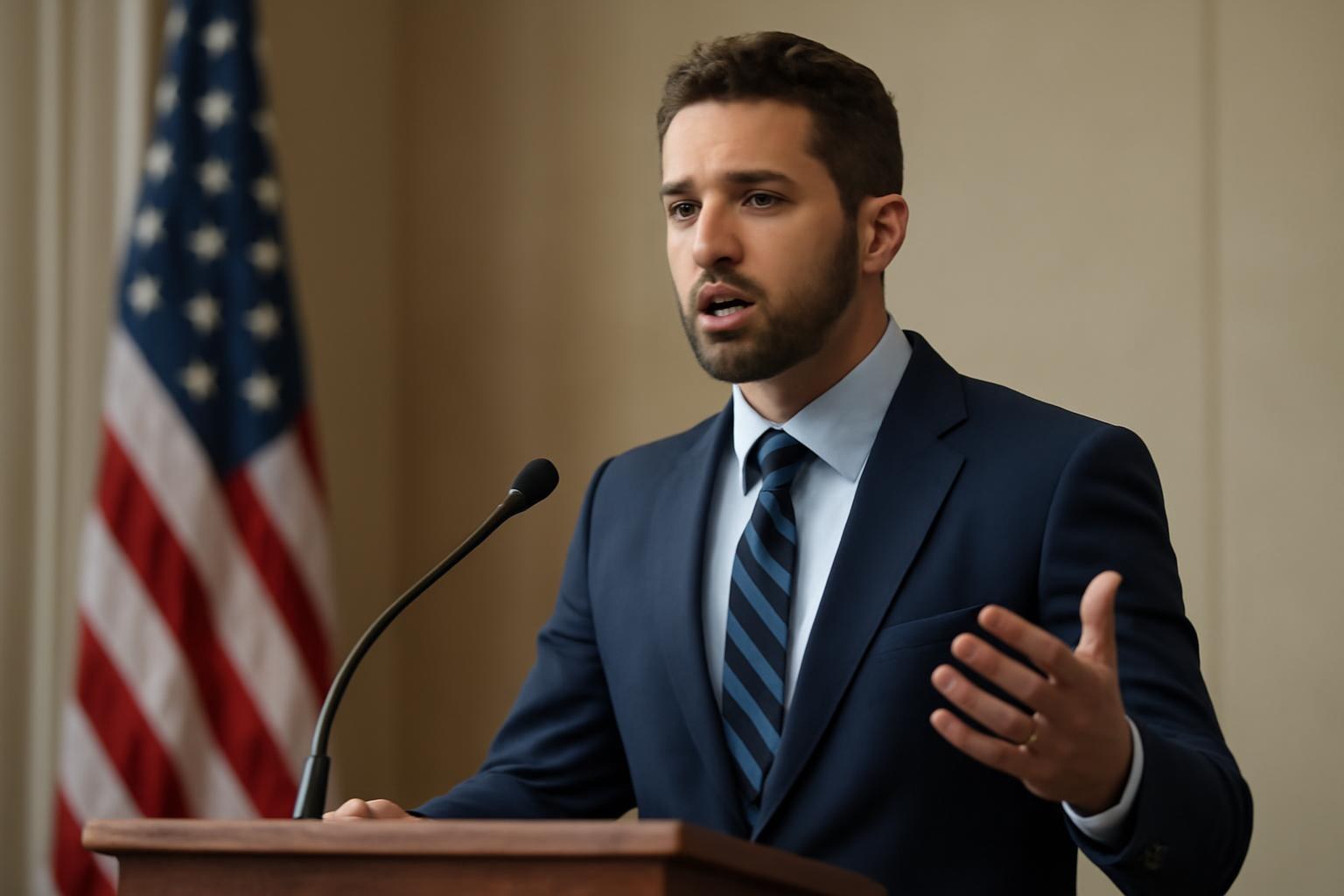
Over the past decade, it has become common to elect a professional athlete into political office. These public figures often come across as strong and reliable, which helps them persuade large groups of citizens to support their campaigns. The mix of athletic fame and political ambition creates a unique kind of politician who appeals to a mass audience in ways that traditional candidates rarely can.
However, the stress of running a campaign is far greater than competing in any sport. To succeed, a candidate must properly organise a capable crew of advisors, planners, and policy experts. The distinction between winning a game and securing a seat in government is vital—mistakes on a sports field rarely do harm beyond one match, but poor policy choices can affect millions of people and leave a lasting impression on the nation.
Once elected, these former athletes are often asked how they plan to address urgent issues such as soil conservation, public welfare, and economic development. Such is the weight of these responsibilities that even a confident sports star may feel unprepared at first. Voters want to know whether their representative truly understands how people's everyday needs—from motor industry employment to environmental health—shape the quality of life for local communities.
The outcome of any election depends on whether candidates can build trust across different groups. A married politician with children may appear more relatable to ordinary families, while supreme dedication to public service sets the best leaders apart. The beauty of democracy lies in its characteristic ability to reflect the values of the people—and that, in turn, can persuade even the most doubtful voters to believe that government can work for the common good. True leaders make an effort to listen before they act.