
陶器の村が大切な遺産を守るための戦い

公開日:2026-09-05 高中英文篇 Level 3
陶器の村が大切な遺産を守るための戦い
01

About This Article

この記事について
背景
水頭村(Shuitou)は桃園郊外に位置する百年の歴史を持つ陶芸集落で、伝統的な窯焼き技術で知られています。近年、台湾各地の伝統工芸コミュニティは都市開発の圧力に継続的にさらされています。本文は架空ながらも現実に近い地域社会の事例を背景に、文化保存と経済発展の間の緊張関係を探り、市民が制度的な枠組みの中で積極的に主張を表明する姿を描いています。
  • 桃園の陶芸コミュニティが予期せぬ開発の脅威に直面する
  • 退職教師の林金国師匠を中心に住民が団結する
  • 環境調査でプロジェクトによる深刻な汚染リスクが確認される
  • 運動は全国的な支持を集め、より広い文化的問いを提起する
02

Listen First

まず聞く
00:00 / 00:00
03

Reading

記事を読む
English

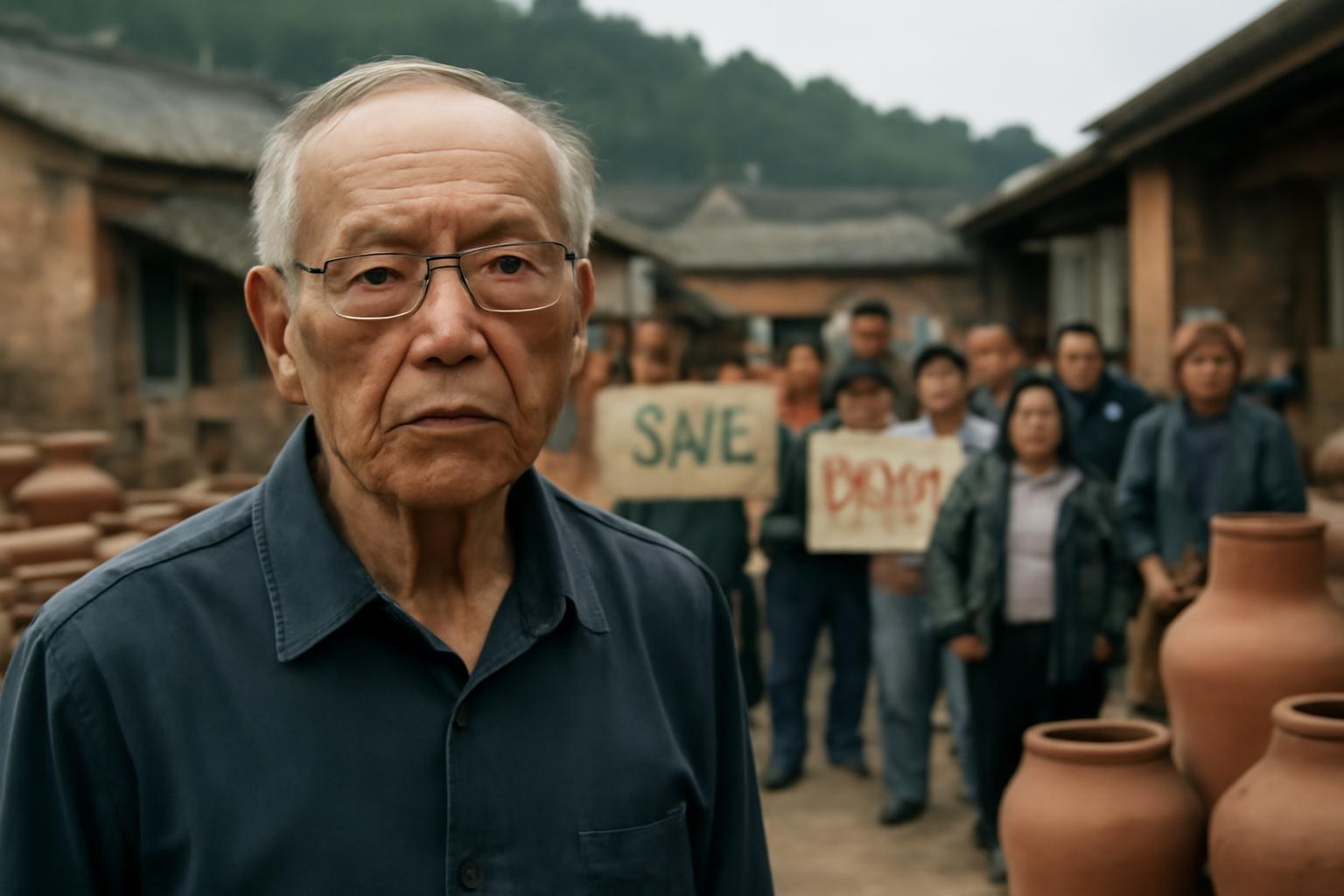
In the small neighbourhood of Shuitou, on the outskirts of Taoyuan City, a group of skilled potters has lived and worked for more than a hundred years. Every day, their hands shape clay into bowls, vases, and decorative pieces that fill the cupboards of homes across Taiwan. Children growing up nearby have always been hooked on the craft, watching masters at work in the surrounding kilns and dreaming of one day joining this living tradition.

Last spring, however, panic spread through the community when local officials announced plans to build a large logistics terminal on the land adjacent to the historic kilns. The project is supposed to bring economic growth and new jobs to the area. But residents immediately pointed out that the construction would be horrible for the natural environment — particularly for the oxygen levels in a valley already struggling with heavy traffic pollution.

A retired schoolteacher who once served as a tutor for young ceramics apprentices, Master Lin Jinguo, instructed the community to gather evidence before making any formal complaint. He drew up a detailed diagram of the proposed site, showing how the terminal's access roads would block every possible exit from the village's narrow lanes, trapping residents and cutting off supply routes. In his view, a well-documented argument was the one ray of light that could reach the ears of decision-makers. "This plan is a sword aimed directly at our way of life," he told a packed town hall meeting.

Environmental scientists who visited the site shared the community's disappointment. Their water tests found pollution levels measured in parts per pint far beyond safe limits. Their report concluded that the terminal plan has an effect on far more than just the pottery trade — it threatens the health of the soil, the groundwater, and generations of accumulated cultural knowledge. It is essential that the government should take these findings seriously and conduct a full environmental impact review before proceeding. On the other hand, city officials insisted that the economic benefits of the project were too significant to ignore.

With support from their tutor networks and local universities, residents launched a campaign to abolish the terminal proposal entirely. Potters carried clay samples to press conferences, inviting journalists to feel the surrounding earth that their families had worked for over a century. Their message was one of liberation — freedom not just from a harmful construction project, but from the broader assumption that traditional crafts have no place in a modern neighbourhood. The story of Shuitou became precious to people far beyond the village itself.

Supporters come from cities like Taipei and Taichung, signing petitions and attending public hearings. Activists argued that every exit the government offered — relocation packages, cultural preservation funds — missed the point entirely. The clay, the kilns, and the neighbourhood cannot simply be moved. This fight is not just about one precious village; it is about what kind of future Taiwan chooses to build, and whether the terminal of tradition must always give way to the terminal of commerce.

日本語訳

桃園市郊外の水頭地区では、熟練した陶芸師たちが百年以上にわたって生活し、創作活動を続けています。毎日、彼らの手は粘土を椀や花瓶、装飾品へと形作り、それらは台湾中の家庭の棚を飾っています。近くで育つ子どもたちは常にこの工芸に魅了され、周囲の窯場で師匠が腕を振るう様子を見ながら、いつかこの生きた伝統に加わる日を夢見ています。

しかし昨春、地元当局が歴史ある窯場に隣接する土地に大型物流ターミナルを建設する計画を発表すると、地域に恐慌が広がりました。このプロジェクトは地域に経済成長と新たな雇用をもたらすことが期待されています。しかし住民たちはすぐに、工事が自然環境に甚大な被害をもたらすと指摘しました——特に、すでに深刻な交通汚染に悩む谷間の酸素濃度に対して。

かつて若い陶芸弟子たちの家庭教師を務めた退職教師、林金国師匠は、正式な申し立てを行う前に証拠を集めるよう地域住民に指示しました。彼は計画地の詳細な配置図を作成し、ターミナルのアクセス道路が村の細い路地からのあらゆる出口を塞ぎ、住民を閉じ込め、物資供給路を断つことを示しました。彼の考えでは、十分な論拠に基づいた主張こそが、意思決定者の耳に届く唯一の一筋の光でした。「この計画は私たちの生き方を直接狙った剣だ」と彼は満員の地域集会で語りました。

現地を訪れた環境科学者たちも地域住民の失望を共有しました。彼らの水質検査では、安全基準をはるかに超えた汚染レベルが1パイントあたりの数値で検出されました。報告書は、ターミナル計画が陶芸業だけでなく、土壌の健康、地下水資源、そして何世代にもわたって蓄積された文化的知識を脅かすと結論付けました。政府はこれらの調査結果を真剣に受け止め、計画を進める前に完全な環境影響評価を実施することが不可欠です。一方、市の当局者はプロジェクトの経済的恩恵は無視するには重大すぎると主張しました。

家庭教師ネットワークや地元大学の支援を受けて、住民たちはターミナル計画を全面的に廃止するよう求める運動を立ち上げました。陶芸師たちは記者会見に粘土サンプルを持参し、ジャーナリストたちに一世紀以上にわたって家族が耕してきた周囲の大地を直接触れて感じてもらいました。彼らのメッセージは解放——有害な建設プロジェクトからの自由だけでなく、伝統工芸は現代の地域に居場所がないという広範な思い込みからの解放——を訴えるものでした。水頭の物語は、村の外の遠くの人々にとっても貴重なものとなりました。

台北や台中などの都市から支持者が訪れ、請願書に署名し、公聴会に出席しました。活動家たちは、政府が提示したあらゆる出口——移転補償パッケージ、文化保存基金——はすべて本質を外れていると主張しました。粘土も、窯も、この地域も、単純に移動させることはできません。この戦いは一つの貴重な村だけの問題ではなく、台湾がどのような未来を構築することを選ぶのか、そして伝統の終点が常に商業の終点に道を譲らなければならないのかという問いに関わるものです。

04

Key Words

重要単語・フレーズ
15 件
05

Expressions

慣用表現
5 件
06

Practice

理解度テスト
8 問 +ディスカッション 2 問
0 /0 問

1 Why did panic spread through the Shuitou community last spring?
正解です。 不正解です。正解は緑色で示しています。
2 What did Master Lin Jinguo prepare to support the community's formal complaint?
正解です。 不正解です。正解は緑色で示しています。
3 What did the environmental scientists discover when they tested the water near the site?
正解です。 不正解です。正解は緑色で示しています。
4 Activists argued that every the government offered — relocation packages, cultural preservation funds — missed the point entirely.
正解です。 不正解です。正解は緑色で示しています。
5 When the terminal plan was announced, spread quickly through the neighbourhood as residents feared for their community's future.
正解です。 不正解です。正解は緑色で示しています。
6 The community launched a campaign to the terminal proposal and protect their century-old pottery tradition.
正解です。 不正解です。正解は緑色で示しています。
7 According to the scientists' report, the terminal plan far more than just the pottery trade.
正解です。 不正解です。正解は緑色で示しています。
8 The project bring economic growth and new jobs, but residents doubted whether it would truly benefit the community.
正解です。 不正解です。正解は緑色で示しています。

Discussion

質問とディスカッション
2 問

以下の問いに正解はありません。英語で自分の考えを、1 問につき 3〜5 文で話してみましょう。

  1. 1 Do you think economic development should take priority over cultural preservation? How should governments balance these two goals when making decisions about land use and community planning?
  2. 2 Have you ever felt disappointed when something you valued deeply was threatened or taken away? How did you or those around you respond to the situation?