
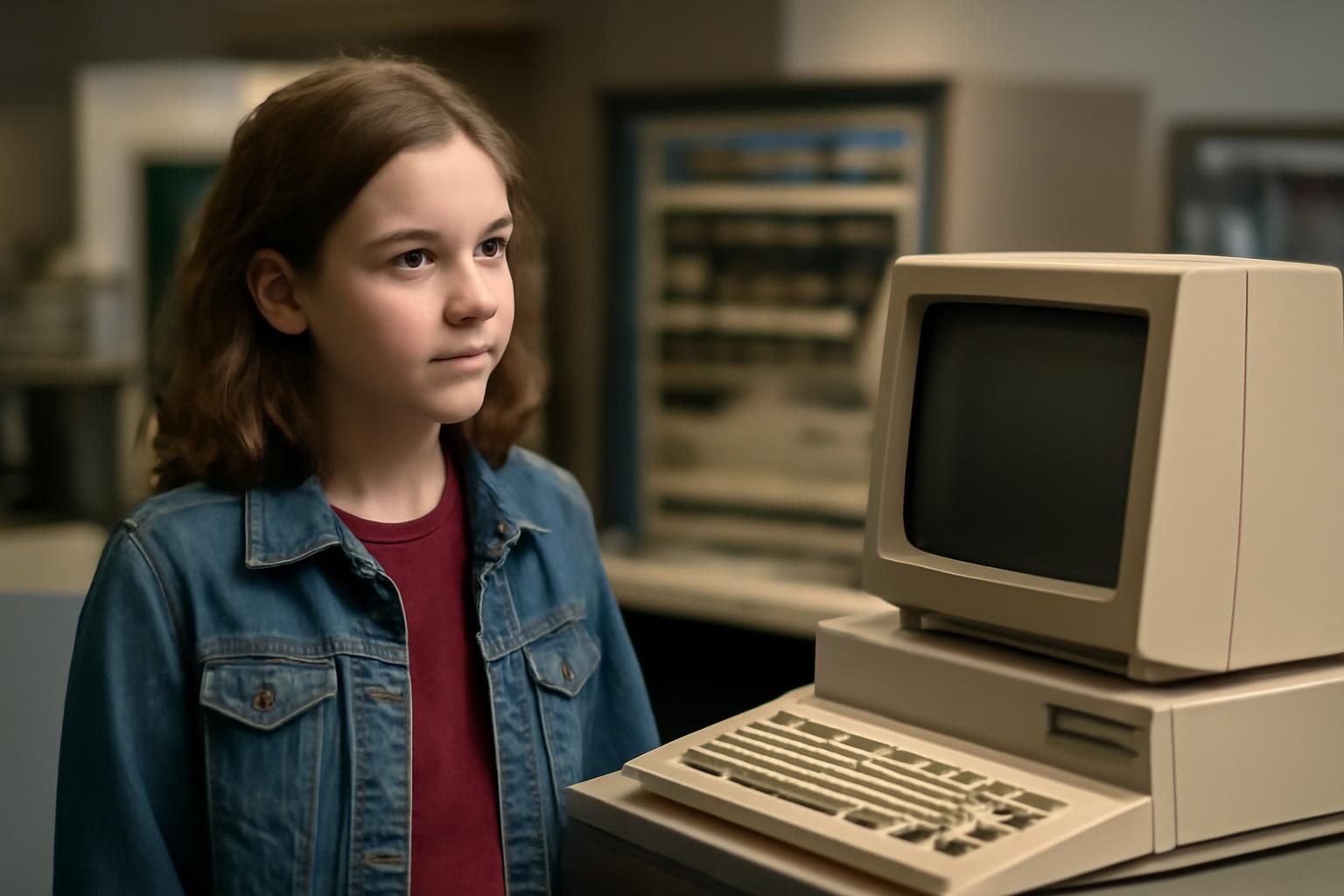
テクノロジーの岐路に立って

公開日:2026-09-05 高中英文篇 Level 3
テクノロジーの岐路に立って
01

About This Article

この記事について
背景
テクノロジーの発展は決して一足飛びではなく、無数の発明家やエンジニアが挫折と議論の中で少しずつ前進してきた成果である。機械式タイプライターからマイクロコンピューター、そして今日の人工知能まで、科学技術革命のたびに新たな可能性がもたらされると同時に、新たな社会問題も生じてきた。本稿では、ある家族の博物館見学を軸に、テクノロジー発展の歩みを振り返り、現代社会が人工知能とデータプライバシーの問題においてどのような重大な選択を迫られているかを考える。
  • テクノロジー博物館の見学が姪にテクノロジーの歴史への強い興味を抱かせた
  • 初期のマイクロコンピューターの発明は創意工夫と苦労に満ちたプロセスだった
  • エンジニア間の議論と犠牲がテクノロジーの進歩を推し進めた
  • 現代社会はデータプライバシーと人工知能の新たな課題に直面している
  • 問い続ける精神がテクノロジーを真に人類のために役立てる鍵である
02

Listen First

まず聞く
00:00 / 00:00
03

Reading

記事を読む
English

Last Saturday, I took my eight-year-old niece Emily to a technology museum in the city. The moment we walked in, she spotted an old typewriter in a glass case and asked me how it worked. Her comprehension of early technology was limited, but her curiosity was endless. A museum guide explained that before computers existed, people used machines like this to relay written messages quickly and efficiently.

We then moved to a section on early computing. A display showed the first microcomputer, which was roughly the size of a cubic box. The exhibit explained that the inventor who designed it had to hatch the idea in a small garage with very basic tools. He wore an apron to protect his clothes and used a pair of scissors to trim delicate circuit boards by hand. The computer's stainless steel casing was a mark of careful craftsmanship at the time.

Of course, early technology had its shortcomings. The machines were slow, and even skilled engineers struggled to digest complex technical manuals. There were stubborn disagreements among researchers, and some teams had serious quarrels over which design approach was best. One exhibit described how a group of scientists chose to boycott a project they believed was deeply flawed. They wore woollen coats during long nights in cold laboratories, working tirelessly to meet the requirements of their government sponsors.

Today, technology has improved greatly, but new problems have emerged. Some technology companies have been criticized for being greedy with user data, collecting far more information than necessary. Society now stands at a crossroads: how much should we trust machines to make decisions for us? No matter what path we choose now, it will shape the future for generations to come. We must be careful not to run out of ethical guidelines before it is too late.

Before leaving, Emily joined a short quiz organized by the museum staff. She answered every question correctly and looked genuinely thankful when the staff member handed her a small certificate. The certificate reminded them both that unless people keep asking questions, we will never truly get out of the problems that technology creates. Emily read those words carefully and smiled with determination. She told me she wants to become an inventor someday and build technology that helps rather than harms.

On the way home, I reflected on the lessons of the day. Technology has always been a double-edged tool, one that requires both creativity and a strong sense of responsibility. As Emily grows up in this digital age, I hope she learns not only to use technology wisely, but also to question it, improve it, and make it work for everyone's benefit. After all, the greatest challenge is not building smarter machines, but becoming wiser human beings.

日本語訳

先週の土曜日、私は8歳の姪のエミリーを市内のテクノロジー博物館へ連れて行った。館内に入るとすぐ、彼女はガラスケースの中の古いタイプライターを見つけ、どうやって動くのかと私に尋ねた。彼女の初期テクノロジーへの理解は限られていたが、好奇心は尽きることがなかった。博物館のガイドが説明してくれたのは、コンピューターが登場する前は、このような機械を使って書かれたメッセージを素早く効率的に伝えていたということだった。

次に私たちは初期コンピューターのコーナーへ移動した。展示には最初のマイクロコンピューターが紹介されており、その大きさはおよそ立方体の箱ほどだった。展示の説明によると、それを設計した発明家は、ごく基本的な道具しかない小さなガレージでアイデアを練らなければならなかったという。彼は服を守るためにエプロンを着け、ハサミを使って精密な回路基板を手で丁寧に切り取っていた。このコンピューターのステンレス製ケーシングは、当時の丁寧な職人技の証であった。

もちろん、初期のテクノロジーには欠点があった。機械は動作が遅く、熟練したエンジニアでさえ複雑な技術マニュアルを理解するのに苦労することがあった。研究者たちの間には頑固な意見の対立があり、どの設計アプローチが最善かをめぐって激しく言い争うチームもあった。ある展示では、深刻な欠陥があると確信したプロジェクトをボイコットすることを選んだ科学者グループのことが紹介されていた。彼らはウールのコートを着て、冷たい実験室での長い夜を過ごし、政府の資金提供者の要件を満たすために疲れを知らず働き続けた。

今日、テクノロジーは大きく進歩したが、新たな問題も生じている。一部のテクノロジー企業はユーザーデータに対して貪欲であるとして批判を受けており、必要以上の情報を収集している。社会は今、岐路に立っている。機械に意思決定をどこまで委ねるべきなのか?今どの道を選ぶにせよ、その選択は何世代にもわたって未来を形作ることになる。手遅れになる前に倫理的な指針を使い果たすことのないよう、慎重でなければならない。

帰る前に、エミリーは博物館スタッフが主催する短いクイズに参加した。彼女はすべての問題に正解し、スタッフが小さな修了証を手渡したとき、心から感謝しているように見えた。その証書は二人に、人々が問い続けない限り、テクノロジーが生み出す問題から真に抜け出すことはできないと思い起こさせてくれた。エミリーはその言葉をじっくりと読み、決意に満ちた笑顔を見せた。彼女はいつか発明家になって、傷つけるのではなく助けるテクノロジーを作りたいと私に語った。

帰り道、私はその日の教訓を振り返った。テクノロジーは常に両刃の剣であり、創造性と強い責任感の両方を必要とする。エミリーがこのデジタル時代に成長していく中で、テクノロジーを賢く使うことだけでなく、それに疑問を持ち、改善し、すべての人の利益のために機能させることを学んでほしいと思う。結局のところ、最大の挑戦はより賢い機械を作ることではなく、より知恵のある人間になることなのだ。

04

Key Words

重要単語・フレーズ
15 件
05

Expressions

慣用表現
5 件
06

Practice

理解度テスト
8 問 +ディスカッション 2 問
0 /0 問

1 Why did Emily ask about the typewriter when she first entered the museum?
正解です。 不正解です。正解は緑色で示しています。
2 According to the article, where did the inventor of the first microcomputer develop his idea?
正解です。 不正解です。正解は緑色で示しています。
3 What criticism do some technology companies face according to the fourth paragraph?
正解です。 不正解です。正解は緑色で示しています。
4 What did Emily receive after completing the museum quiz correctly?
正解です。 不正解です。正解は緑色で示しています。
5 Society now stands at a : how much should we trust machines to make decisions for us?
正解です。 不正解です。正解は緑色で示しています。
6 Even skilled engineers struggled to complex technical manuals during the early days of computing.
正解です。 不正解です。正解は緑色で示しています。
7 The scientists worked tirelessly to of their government sponsors. (填入符合「達到要求」的慣用語)
正解です。 不正解です。正解は緑色で示しています。
8 We must be careful not to ethical guidelines before it is too late. (填入符合「耗盡」的慣用語)
正解です。 不正解です。正解は緑色で示しています。

Discussion

質問とディスカッション
2 問

以下の問いに正解はありません。英語で自分の考えを、1 問につき 3〜5 文で話してみましょう。

  1. 1 The article mentions that some technology companies collect far more user data than necessary. Do you think teenagers today are aware of how their personal information is being used online? What can young people do to better protect their privacy?
  2. 2 Emily says she wants to become an inventor someday and build technology that helps rather than harms people. If you could invent a new technology to solve a real-world problem, what would it be and how would it benefit society?