
At the Crossroads of Technology

發布日期:2026-09-05 高中英文篇 Level 3
At the Crossroads of Technology
01

About This Article

關於這篇文章
背景
科技的發展從來不是一蹴可幾,而是由無數發明家和工程師在挫折與爭論中逐步推進的成果。從機械式打字機到微型電腦,再到今日的人工智慧,每一次科技革命都帶來新的可能性,也帶來新的社會問題。本篇文章以一次家庭博物館參觀為主軸,帶領讀者回顧科技發展的歷程,並思考現代社會在人工智慧與資料隱私議題上所面臨的重大抉擇。
  • 科技博物館的參觀讓姪女對科技史產生濃厚興趣
  • 早期微型電腦的發明充滿創意與艱辛的過程
  • 工程師之間的爭論與犧牲推動了科技的進步
  • 現代社會面臨資料隱私與人工智慧的新挑戰
  • 保持提問的精神是讓科技真正造福人類的關鍵
02

Listen First

先聽文章
00:00 / 00:00
03

Reading

閱讀文章
English

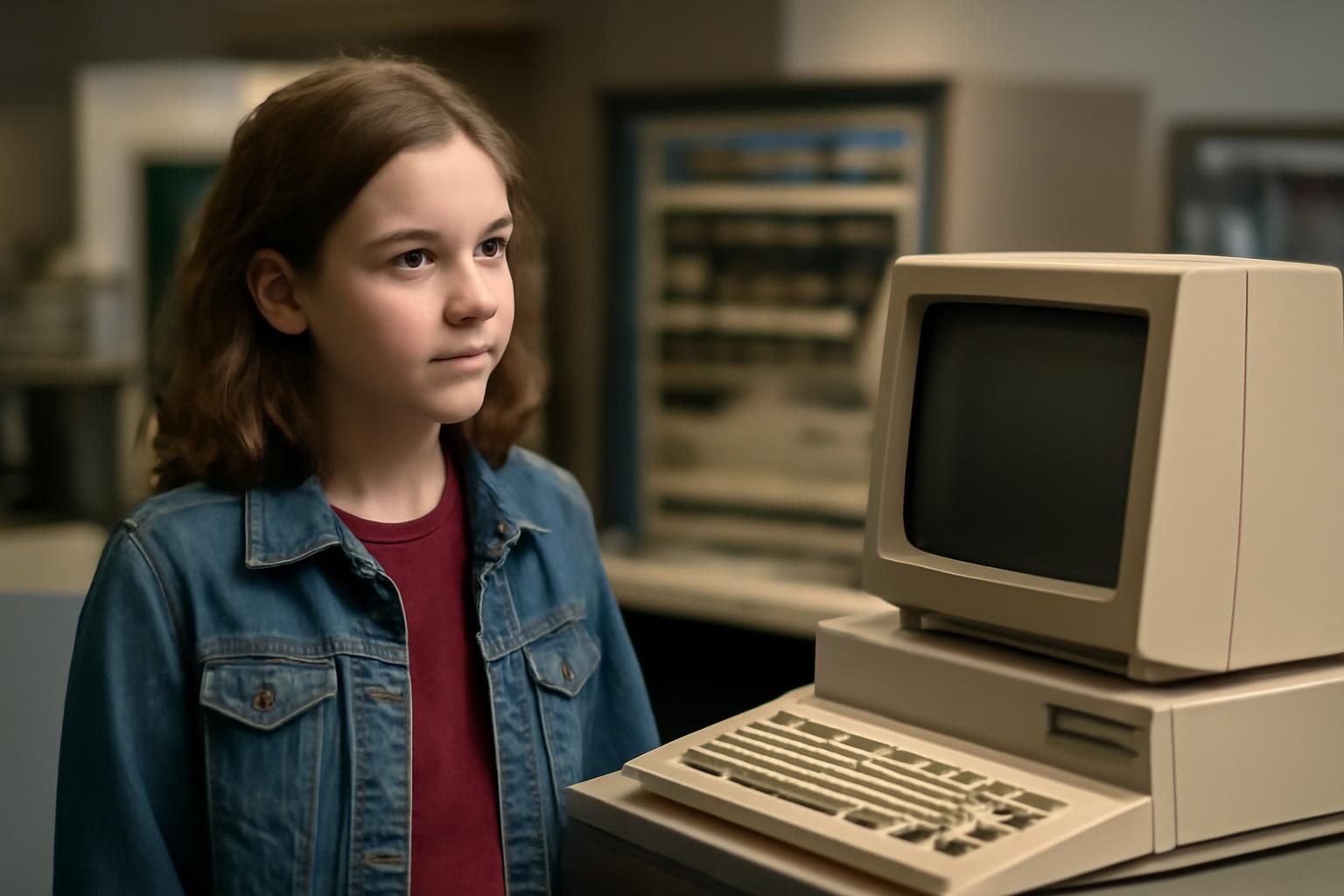
Last Saturday, I took my eight-year-old niece Emily to a technology museum in the city. The moment we walked in, she spotted an old typewriter in a glass case and asked me how it worked. Her comprehension of early technology was limited, but her curiosity was endless. A museum guide explained that before computers existed, people used machines like this to relay written messages quickly and efficiently.

We then moved to a section on early computing. A display showed the first microcomputer, which was roughly the size of a cubic box. The exhibit explained that the inventor who designed it had to hatch the idea in a small garage with very basic tools. He wore an apron to protect his clothes and used a pair of scissors to trim delicate circuit boards by hand. The computer's stainless steel casing was a mark of careful craftsmanship at the time.

Of course, early technology had its shortcomings. The machines were slow, and even skilled engineers struggled to digest complex technical manuals. There were stubborn disagreements among researchers, and some teams had serious quarrels over which design approach was best. One exhibit described how a group of scientists chose to boycott a project they believed was deeply flawed. They wore woollen coats during long nights in cold laboratories, working tirelessly to meet the requirements of their government sponsors.

Today, technology has improved greatly, but new problems have emerged. Some technology companies have been criticized for being greedy with user data, collecting far more information than necessary. Society now stands at a crossroads: how much should we trust machines to make decisions for us? No matter what path we choose now, it will shape the future for generations to come. We must be careful not to run out of ethical guidelines before it is too late.

Before leaving, Emily joined a short quiz organized by the museum staff. She answered every question correctly and looked genuinely thankful when the staff member handed her a small certificate. The certificate reminded them both that unless people keep asking questions, we will never truly get out of the problems that technology creates. Emily read those words carefully and smiled with determination. She told me she wants to become an inventor someday and build technology that helps rather than harms.

On the way home, I reflected on the lessons of the day. Technology has always been a double-edged tool, one that requires both creativity and a strong sense of responsibility. As Emily grows up in this digital age, I hope she learns not only to use technology wisely, but also to question it, improve it, and make it work for everyone's benefit. After all, the greatest challenge is not building smarter machines, but becoming wiser human beings.

中文翻譯

上週六,我帶著八歲的姪女艾蜜莉前往市區的科技博物館參觀。我們一走進館內,她立刻發現了玻璃展示櫃中的一台老式打字機,並問我它是如何運作的。她對早期科技的理解程度有限,但她的好奇心卻無窮無盡。一位館內導覽員解釋說,在電腦出現之前,人們使用這樣的機器來快速且有效率地傳遞書面訊息。

我們接著前往早期電腦的展區。一個展示說明了第一台微型電腦,它的大小大約相當於一個方形箱子。展覽介紹指出,設計它的發明家當初必須在一間小型車庫裡,用非常基本的工具構思這個點子。他穿著圍裙保護衣物,並用一把剪刀手工裁剪精密的電路板。這台電腦的不鏽鋼外殼,是當時精心工藝的象徵。

當然,早期的科技有其缺點。這些機器速度緩慢,即使是技術熟練的工程師也常常難以消化複雜的技術手冊。研究人員之間存在頑固的分歧,有些團隊甚至為了哪種設計方案最好而爆發激烈的爭論。一個展覽描述了一群科學家如何選擇抵制他們認為存在嚴重缺陷的計畫。他們穿著羊毛外套,在冰冷實驗室裡度過漫長的夜晚,不知疲倦地努力達到政府資助者的要求。

今日,科技已有了長足的進步,但新的問題也隨之浮現。部分科技公司因為對用戶資料過於貪婪而飽受批評,蒐集了遠超所需的資訊。社會如今面臨一個十字路口:我們應該在多大程度上信任機器替我們做決定?無論我們現在選擇哪條路,都將影響未來幾個世代的發展。我們必須謹慎,不要在為時已晚之前耗盡倫理準則。

在離開之前,艾蜜莉參加了由博物館工作人員舉辦的一個小測驗。她答對了每一道題,當工作人員遞給她一張小小的獎狀時,她顯得真心感激。這張獎狀提醒了他們兩人:除非人們持續提出疑問,否則我們永遠無法真正擺脫科技所帶來的問題。艾蜜莉仔細地讀著那些字,帶著堅定的微笑。她告訴我,她有一天想成為一名發明家,打造能夠幫助而非傷害人類的科技。

在回家的路上,我反思了這一天所學到的教訓。科技始終是一把雙刃劍,它既需要創造力,也需要強烈的責任感。隨著艾蜜莉在這個數位時代成長,我希望她不僅學會明智地使用科技,更能夠質疑它、改進它,並讓它為所有人的利益服務。畢竟,最大的挑戰不在於打造更聰明的機器,而在於成為更有智慧的人類。

04

Key Words

重點詞彙片語
15 個
05

Expressions

慣用句
5 則
06

Practice

課後測驗
8 題 +討論 2 題
0 /0 題

1 Why did Emily ask about the typewriter when she first entered the museum?
答對了! 答錯了,正確答案以綠色標示。
2 According to the article, where did the inventor of the first microcomputer develop his idea?
答對了! 答錯了,正確答案以綠色標示。
3 What criticism do some technology companies face according to the fourth paragraph?
答對了! 答錯了,正確答案以綠色標示。
4 What did Emily receive after completing the museum quiz correctly?
答對了! 答錯了,正確答案以綠色標示。
5 Society now stands at a : how much should we trust machines to make decisions for us?
答對了! 答錯了,正確答案以綠色標示。
6 Even skilled engineers struggled to complex technical manuals during the early days of computing.
答對了! 答錯了,正確答案以綠色標示。
7 The scientists worked tirelessly to of their government sponsors. (填入符合「達到要求」的慣用語)
答對了! 答錯了,正確答案以綠色標示。
8 We must be careful not to ethical guidelines before it is too late. (填入符合「耗盡」的慣用語)
答對了! 答錯了,正確答案以綠色標示。

Discussion

問題與討論
2 題

以下問題沒有標準答案,請試著用英文說出自己的想法,一題講三到五句話。

  1. 1 The article mentions that some technology companies collect far more user data than necessary. Do you think teenagers today are aware of how their personal information is being used online? What can young people do to better protect their privacy?
  2. 2 Emily says she wants to become an inventor someday and build technology that helps rather than harms people. If you could invent a new technology to solve a real-world problem, what would it be and how would it benefit society?