
At the Crossroads of Technology

发布日期:2026-09-05 高中英文篇 Level 3
At the Crossroads of Technology
01

About This Article

关于这篇文章
背景
科技的发展从来不是一蹴可几,而是由无数发明家和工程师在挫折与争论中逐步推进的成果。从机械式打字机到微型电脑,再到今日的人工智能,每一次科技革命都带来新的可能性,也带来新的社会问题。本篇文章以一次家庭博物馆参观为主轴,带领读者回顾科技发展的历程,并思考现代社会在人工智能与数据隐私议题上所面临的重大抉择。
  • 科技博物馆的参观让姪女对科技史产生浓厚兴趣
  • 早期微型电脑的发明充满创意与艰辛的过程
  • 工程师之间的争论与牺牲推动了科技的进步
  • 现代社会面临数据隐私与人工智能的新挑战
  • 保持提问的精神是让科技真正造福人类的关键
02

Listen First

先听文章
00:00 / 00:00
03

Reading

阅读文章
English

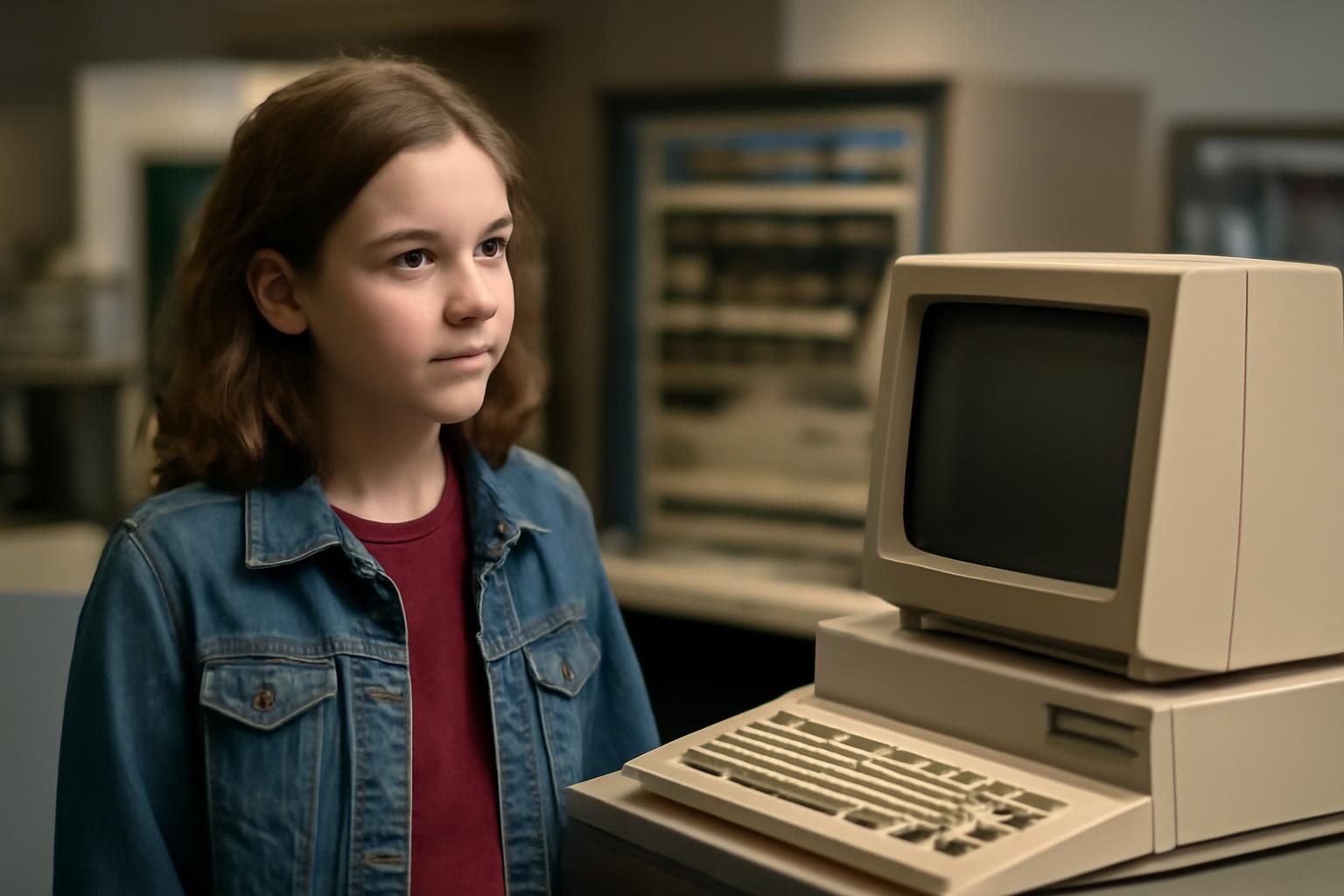
Last Saturday, I took my eight-year-old niece Emily to a technology museum in the city. The moment we walked in, she spotted an old typewriter in a glass case and asked me how it worked. Her comprehension of early technology was limited, but her curiosity was endless. A museum guide explained that before computers existed, people used machines like this to relay written messages quickly and efficiently.

We then moved to a section on early computing. A display showed the first microcomputer, which was roughly the size of a cubic box. The exhibit explained that the inventor who designed it had to hatch the idea in a small garage with very basic tools. He wore an apron to protect his clothes and used a pair of scissors to trim delicate circuit boards by hand. The computer's stainless steel casing was a mark of careful craftsmanship at the time.

Of course, early technology had its shortcomings. The machines were slow, and even skilled engineers struggled to digest complex technical manuals. There were stubborn disagreements among researchers, and some teams had serious quarrels over which design approach was best. One exhibit described how a group of scientists chose to boycott a project they believed was deeply flawed. They wore woollen coats during long nights in cold laboratories, working tirelessly to meet the requirements of their government sponsors.

Today, technology has improved greatly, but new problems have emerged. Some technology companies have been criticized for being greedy with user data, collecting far more information than necessary. Society now stands at a crossroads: how much should we trust machines to make decisions for us? No matter what path we choose now, it will shape the future for generations to come. We must be careful not to run out of ethical guidelines before it is too late.

Before leaving, Emily joined a short quiz organized by the museum staff. She answered every question correctly and looked genuinely thankful when the staff member handed her a small certificate. The certificate reminded them both that unless people keep asking questions, we will never truly get out of the problems that technology creates. Emily read those words carefully and smiled with determination. She told me she wants to become an inventor someday and build technology that helps rather than harms.

On the way home, I reflected on the lessons of the day. Technology has always been a double-edged tool, one that requires both creativity and a strong sense of responsibility. As Emily grows up in this digital age, I hope she learns not only to use technology wisely, but also to question it, improve it, and make it work for everyone's benefit. After all, the greatest challenge is not building smarter machines, but becoming wiser human beings.

中文翻译

上周六,我带着八岁的姪女艾蜜莉前往市区的科技博物馆参观。我们一走进馆内,她立刻发现了玻璃展示柜中的一台老式打字机,并问我它是如何运作的。她对早期科技的理解程度有限,但她的好奇心却无穷无尽。一位馆内导览员解释说,在电脑出现之前,人们使用这样的机器来快速且有效率地传递书面消息。

我们接着前往早期电脑的展区。一个展示说明了第一台微型电脑,它的大小大约相当于一个方形箱子。展览介绍指出,设计它的发明家当初必须在一间小型车库里,用非常基本的工具构思这个点子。他穿着围裙保护衣物,并用一把剪刀手工裁剪精密的电路板。这台电脑的不锈钢外壳,是当时精心工艺的象征。

当然,早期的科技有其缺点。这些机器速度缓慢,即使是技术熟练的工程师也常常难以消化复杂的技术手册。研究人员之间存在顽固的分歧,有些团队甚至为了哪种设计方案最好而爆发激烈的争论。一个展览描述了一群科学家如何选择抵制他们认为存在严重缺陷的计划。他们穿着羊毛外套,在冰冷实验室里度过漫长的夜晚,不知疲倦地努力达到政府资助者的要求。

今日,科技已有了长足的进步,但新的问题也随之浮现。部分科技公司因为对用户数据过于贪婪而饱受批评,搜集了远超所需的信息。社会如今面临一个十字路口:我们应该在多大程度上信任机器替我们做决定?无论我们现在选择哪条路,都将影响未来几个世代的发展。我们必须谨慎,不要在为时已晚之前耗尽伦理准则。

在离开之前,艾蜜莉参加了由博物馆工作人员举办的一个小测验。她答对了每一道题,当工作人员递给她一张小小的奖状时,她显得真心感激。这张奖状提醒了他们两人:除非人们持续提出疑问,否则我们永远无法真正摆脱科技所带来的问题。艾蜜莉仔细地读着那些字,带着坚定的微笑。她告诉我,她有一天想成为一名发明家,打造能够帮助而非伤害人类的科技。

在回家的路上,我反思了这一天所学到的教训。科技始终是一把双刃剑,它既需要创造力,也需要强烈的责任感。随着艾蜜莉在这个数位时代成长,我希望她不仅学会明智地使用科技,更能够质疑它、改进它,并让它为所有人的利益服务。毕竟,最大的挑战不在于打造更聪明的机器,而在于成为更有智能的人类。

04

Key Words

重点词汇词组
15 个
05

Expressions

惯用句
5 则
06

Practice

课后测验
8 题 +讨论 2 题
0 /0 题

1 Why did Emily ask about the typewriter when she first entered the museum?
答对了! 答错了,正确答案以绿色标示。
2 According to the article, where did the inventor of the first microcomputer develop his idea?
答对了! 答错了,正确答案以绿色标示。
3 What criticism do some technology companies face according to the fourth paragraph?
答对了! 答错了,正确答案以绿色标示。
4 What did Emily receive after completing the museum quiz correctly?
答对了! 答错了,正确答案以绿色标示。
5 Society now stands at a : how much should we trust machines to make decisions for us?
答对了! 答错了,正确答案以绿色标示。
6 Even skilled engineers struggled to complex technical manuals during the early days of computing.
答对了! 答错了,正确答案以绿色标示。
7 The scientists worked tirelessly to of their government sponsors. (填入符合「達到要求」的慣用語)
答对了! 答错了,正确答案以绿色标示。
8 We must be careful not to ethical guidelines before it is too late. (填入符合「耗盡」的慣用語)
答对了! 答错了,正确答案以绿色标示。

Discussion

问题与讨论
2 题

以下问题没有标准答案,请试着用英文说出自己的想法,一题讲三到五句话。

  1. 1 The article mentions that some technology companies collect far more user data than necessary. Do you think teenagers today are aware of how their personal information is being used online? What can young people do to better protect their privacy?
  2. 2 Emily says she wants to become an inventor someday and build technology that helps rather than harms people. If you could invent a new technology to solve a real-world problem, what would it be and how would it benefit society?