
遺産地と自然の絶景を巡る:旅行者のガイド

公開日:2026-09-05 旅遊英文 Level 3
遺産地と自然の絶景を巡る:旅行者のガイド
01

About This Article

この記事について
背景
世界各地には数千もの文化遺産地と自然の絶景があり、その多くがユネスコ世界遺産に登録され、毎年数百万人もの旅行者が訪れています。本記事では、海外を個人旅行する日本人旅行者を想定し、博物館・史跡・自然景観でよく使われる英語表現と、旅をスムーズにする実践的なアドバイスをご紹介します。中上級の英語力をお持ちの学習者に最適な内容です。
  • 世界遺産地と自然景観を訪れる際の事前準備のポイント
  • 博物館や史跡で英語を活用する実践的なコツ
  • 自然の歩道と展望スポットを探索するための旅行アドバイス
  • 地元のルールを尊重し、責任ある旅行者になる
02

Listen First

まず聞く
00:00 / 00:00
03

Reading

記事を読む
English

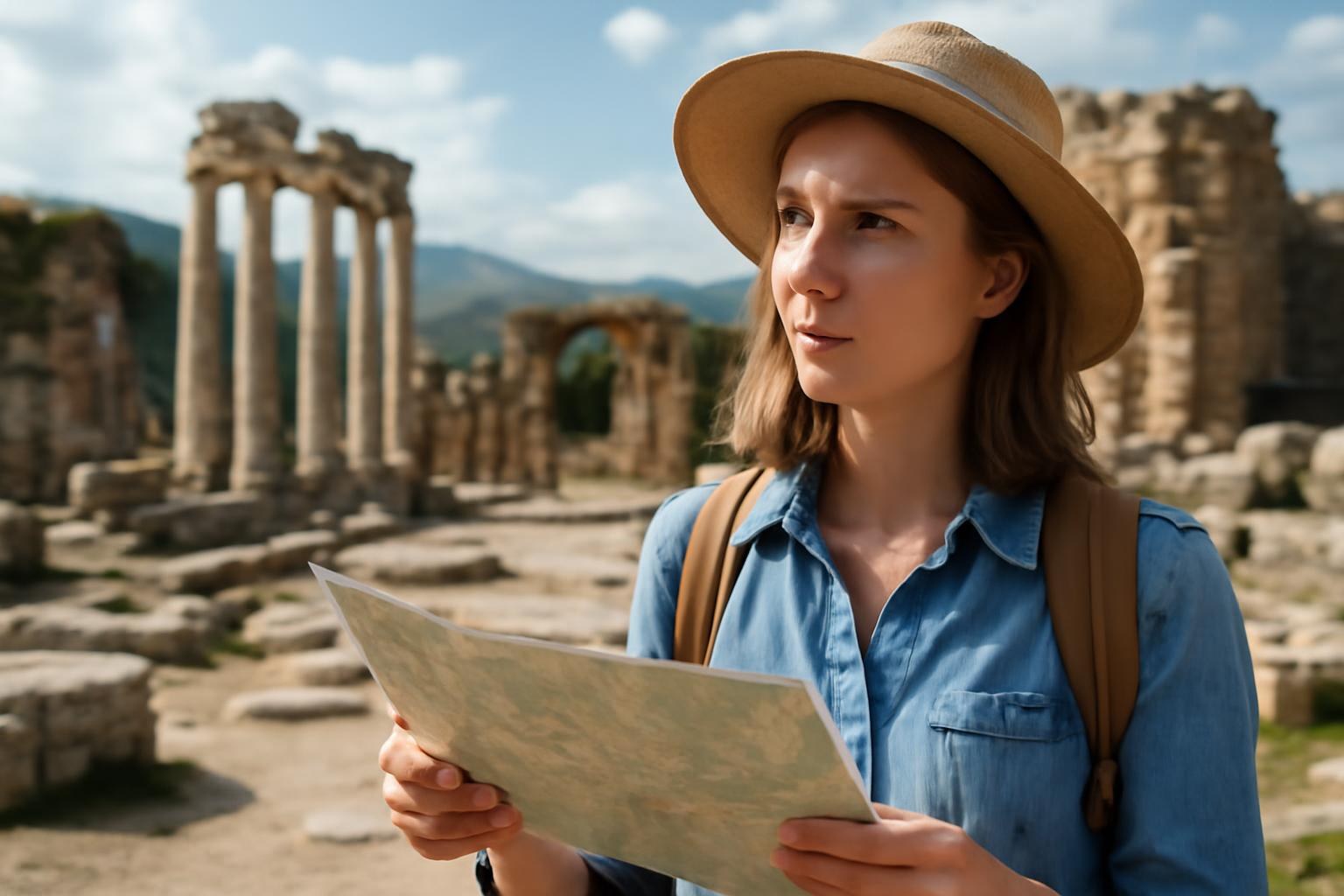
When you travel abroad, one of the most rewarding experiences is visiting a heritage site or a breathtaking natural wonder. Many of the world's most famous landmarks—such as the Colosseum in Rome or the ancient temples of Kyoto—have been listed as UNESCO World Heritage Sites because of their exceptional cultural and historical significance. Since these places tend to be crowded during peak seasons, it is wise to check whether advance tickets are required and, if possible, arrive early to avoid the crowds and enjoy a quieter, more personal experience.

Exploring a heritage site often means walking among well-preserved ruins or stepping inside a museum filled with remarkable artifacts. Some of the structures you will encounter were built as far back as the 12th century, and the level of craftsmanship on display can be truly stunning. Most major sites feature indoor exhibitions that provide historical context for what you are seeing, and admission fees are usually quite reasonable. Keep in mind, however, that you must respect local rules: photography may be restricted in certain areas, and maintaining a quiet atmosphere is expected at many sacred or historic locations.

For those who prefer the outdoors, scenic trails and natural viewpoints offer an entirely different kind of wonder. A well-marked trail through a national park, for instance, can lead you off the beaten path to hidden waterfalls or panoramic viewpoints that most tourists never discover. Whether you choose an easy walk or a more challenging hike, arriving at a hilltop at sunrise or sunset can be an experience so breathtaking that it is difficult to put into words. Once you are there, slow down, take in the view, and let the landscape speak for itself.

Wherever you go, remembering to respect local rules is essential. Heritage sites may have strict regulations about noise levels, the areas visitors are permitted to enter, or how close you can stand to ancient structures. These rules exist to protect the site for future generations, so following them carefully is both a legal and an ethical responsibility. If you are ever unsure about what is permitted, look for posted signs or ask a staff member—they are usually happy to help.

With the right preparation—purchasing tickets in advance, wearing comfortable footwear, and carrying enough water—every visit to a heritage site or a natural scenic spot can become one of the most meaningful memories of your journey. Take your time, read the information panels, and allow yourself to be moved by the history and beauty around you. After all, these extraordinary places exist not just to be seen, but to be truly experienced.

日本語訳

海外を旅するとき、文化遺産地や息をのむほど壮大な自然の絶景を訪れることは、最も心に残る体験のひとつです。ローマのコロッセウムや京都の古い神社仏閣など、世界の著名なランドマークの多くは、その卓越した文化的・歴史的意義から、ユネスコ世界遺産に登録されています。これらの場所は繁忙期に大変混雑する傾向があるため、事前にチケットが必要かどうかを確認し、できれば早めに到着して混雑を避け、より静かで心ゆくままに楽しめる参観体験を得ることをおすすめします。

文化遺産地を探索するということは、保存状態のよい遺跡の間を歩いたり、貴重な遺物が並ぶ博物館の中へ足を踏み入れたりすることを意味します。目にする建造物の中には、12世紀にまで遡るものもあり、そこに施された職人技の水準には思わず息をのむほどです。主要な遺産地のほとんどには屋内展示があり、見学しているものの歴史的背景を知ることができます。また、入場料は通常かなりリーズナブルです。ただし、地元のルールを必ず守らなければならないことを忘れないでください。特定のエリアでは写真撮影が制限されている場合があり、神聖な場所や歴史的な場所の多くでは、静かな雰囲気を保つことが求められています。

アウトドアを好む方には、景色の美しい歩道や自然の展望スポットが、まったく異なる種類の感動をもたらしてくれます。たとえば、国立公園内のよく整備された歩道を歩けば、ほとんどの観光客が訪れることのない秘境へと案内され、隠れた滝や見渡す限りのパノラマ展望台に出会えるかもしれません。軽い散歩を選ぶにしても、より本格的なハイキングに挑戦するにしても、日の出や日没の時刻に山頂に到着したときの体験は、あまりにも息をのむほど美しく、言葉にするのが難しいほどです。その場に着いたら、足を止め、ゆっくりと景色を味わい、大自然の壮大さが自らを語るままにしてください。

どこを旅するにしても、地元のルールを守ることを忘れてはなりません。文化遺産地では、騒音レベル、立ち入りが許可されているエリア、あるいは古い建造物にどれだけ近づけるかについて、厳しい規制が設けられている場合があります。これらのルールは、遺産を後世のために保護するためのものですので、きちんと遵守することは法的責任でもあり、倫理的な責務でもあります。何が許可されているかわからない場合は、掲示されたサインを探すか、スタッフに尋ねてみましょう。スタッフはたいてい喜んで対応してくれます。

事前にチケットを購入し、歩きやすい靴を履き、十分な水を持参するといった適切な準備をしておけば、文化遺産地や自然景観スポットへのすべての訪問が、旅の中で最も大切な思い出のひとつとなるでしょう。時間をかけて、案内板をよく読み、周囲の歴史と美しさに心を動かしてください。結局のところ、これらの非凡な場所は単に「見る」ためだけでなく、真に「体験する」ために存在しているのです。

04

Key Words

重要単語・フレーズ
10 件
05

Expressions

慣用表現
4 件
06

Practice

理解度テスト
6 問 +ディスカッション 2 問
0 /0 問

1 According to the article, why is it recommended to arrive early when visiting popular heritage sites?
正解です。 不正解です。正解は緑色で示しています。
2 What does the article say about the rules at heritage sites?
正解です。 不正解です。正解は緑色で示しています。
3 According to the article, what can a well-marked trail in a national park lead visitors to?
正解です。 不正解です。正解は緑色で示しています。
4 Most major sites feature indoor that provide historical context for what you are seeing.
正解です。 不正解です。正解は緑色で示しています。
5 Exploring a heritage site often means walking among ruins that have stood for centuries.
正解です。 不正解です。正解は緑色で示しています。
6 Once you reach the viewpoint, slow down and the view before moving on to the next spot.
正解です。 不正解です。正解は緑色で示しています。

Discussion

質問とディスカッション
2 問

以下の問いに正解はありません。英語で自分の考えを、1 問につき 3〜5 文で話してみましょう。

  1. 1 Have you ever visited a heritage site or a natural scenic spot that left a strong impression on you? Please describe what you saw and explain what made the experience so memorable.
  2. 2 The article mentions that heritage sites have rules to protect them for future generations. Do you think it is sometimes difficult for travelers to follow all the rules at tourist sites? What can travelers do to be more responsible visitors?