
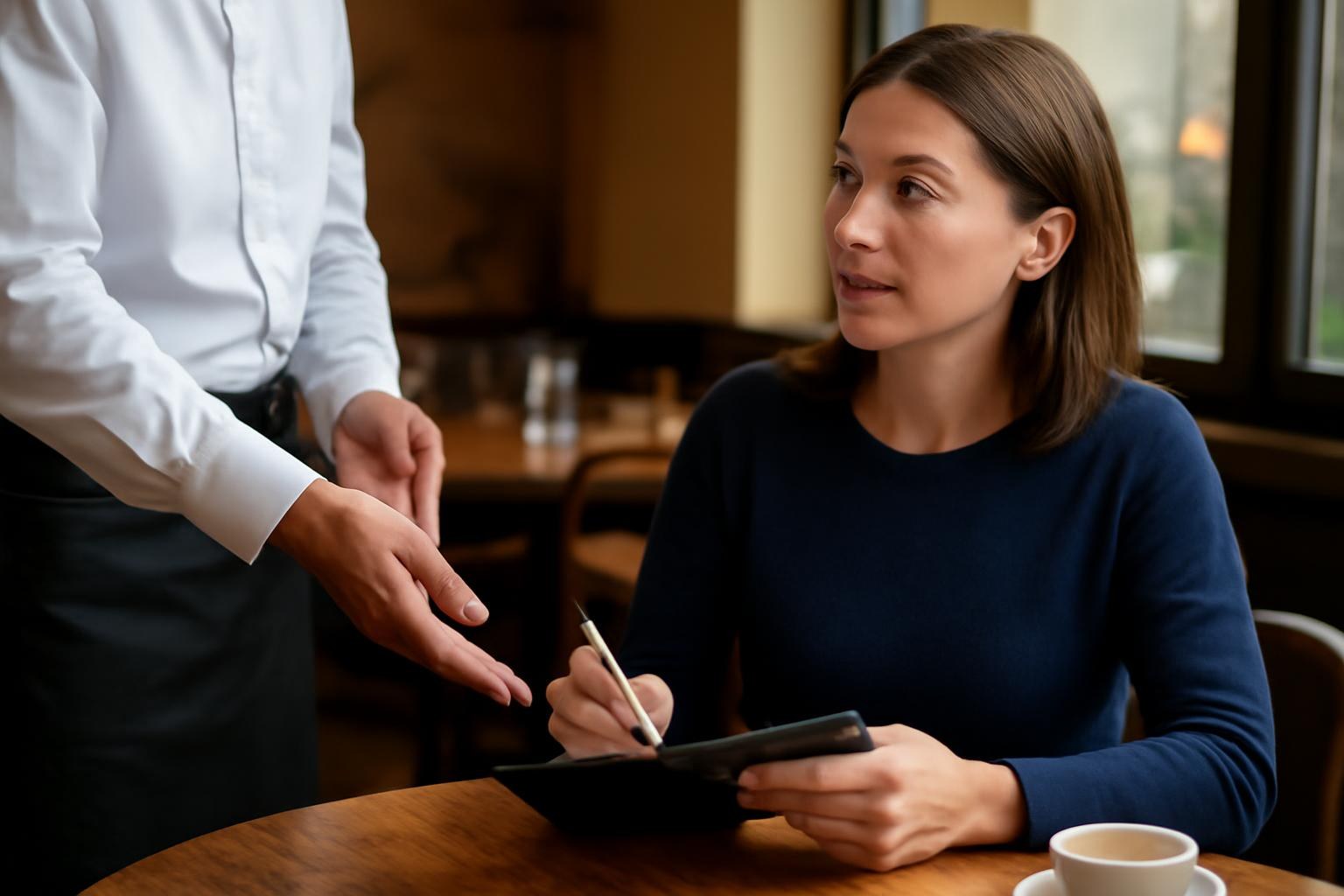
海外旅行でのチップ文化を理解する

公開日:2026-09-05 旅遊英文 Level 3
海外旅行でのチップ文化を理解する
01

About This Article

この記事について
背景
「チップ」は文化によってまったく異なる意味を持つ。アメリカではウェイターの基本給が低く、チップは収入の重要な源泉だが、日本ではチップを渡すことがかえって失礼とみなされることがある。訪問先の会計文化を理解することは、食事をより快適にするだけでなく、現地の習慣を尊重することにもつながる。
  • 各国のチップ習慣は大きく異なるため、出発前に調べておく価値がある
  • アメリカでは会計の15〜20%のチップを払うのが習慣
  • 日本ではチップは不要であり、払うべきでもない
  • 多くのヨーロッパの国々ではサービス料が会計に含まれている
  • 丁寧に会計を求める方法を知っておくと、支払いがスムーズになる
02

Listen First

まず聞く
00:00 / 00:00
03

Reading

記事を読む
English

When you travel to a foreign country, knowing how to handle the bill at a restaurant is just as important as knowing what to order. Tipping customs vary significantly depending on the country, and what feels perfectly natural to you may be considered rude somewhere else. A little research before your trip can save you from an awkward situation at the table.

In the United States, it is customary to tip 15 to 20 percent of the total bill. This gratuity is not included in the listed price and is expected to be left for the server as a sign of appreciation. Most people leave the tip in cash on the table when they depart, though you can also add it to your credit card payment. It is worth noting that tax is not included in the listed price, so the amount on your receipt will be slightly higher than what you see on the menu.

The situation is quite different in Asia. Leaving money on the table in Japan may be considered rude, as it can imply that the staff is not being paid fairly. Tipping is not expected in Japan, whereas it is almost mandatory in the United States and Canada, where servers depend on gratuities for a large portion of their income. In many European countries, a service charge is already included in the bill, so always check your receipt carefully before leaving anything extra.

When dining with a group, it is common to split the bill evenly among friends. However, some restaurants may not be able to process multiple payments at the same table, so it is wise to ask in advance. If you want to show appreciation, you can also round up the bill to the nearest whole number or leave a small extra amount as a gesture of thanks.

When you are ready to leave, simply say to your server, "Could I have the check, please?" In most countries, the bill will not come automatically, so you need to ask. Understanding these simple rules will help you feel more confident and show respect for the culture of every place you visit.

日本語訳

外国を旅するとき、レストランでの会計の扱い方を知っておくことは、何を注文するかを知っておくのと同じくらい大切だ。チップの習慣は国によって大きく異なり、あなたにとって当たり前に感じることが、別の場所では失礼とみなされることもある。旅行前に少し調べておくだけで、食卓での気まずい状況を避けることができる。

アメリカでは、会計総額の15〜20%のチップを渡すのが習慣だ。このチップは表示価格に含まれておらず、感謝の気持ちとしてサーバーに残すことが求められる。多くの人は帰り際に現金でテーブルの上にチップを置いていくが、クレジットカード払いに上乗せすることもできる。表示価格には税金が含まれていないため、レシートに記載された金額はメニューに表示されている価格よりもやや高くなることに注意しよう。

アジアでは状況がまったく異なる。日本でテーブルにお金を残すことは、スタッフの給料が適切に支払われていないことを暗示するとして、失礼とみなされることがある。日本ではチップは期待されていないが、アメリカやカナダではほぼ必須とされており、サーバーは収入の大部分をチップに頼っている。多くのヨーロッパの国ではすでにサービス料が会計に含まれているため、追加で残す前に必ずレシートをよく確認しよう。

グループで食事するときは、友人間で会計を均等に割り勘にするのが一般的だ。ただし、同じテーブルで複数の支払いに対応できないレストランもあるため、事前に確認しておくのが賢明だ。感謝を示したい場合は、会計を切りのいい金額に切り上げたり、少し余分に置いていったりすることもできる。

帰る準備ができたら、サーバーに「Could I have the check, please?(お会計をお願いできますか?)」と伝えるだけでいい。多くの国では会計は自動的に来ないため、自分から頼む必要がある。こうした基本的なルールを理解することで、より自信を持って行動でき、訪れるすべての場所の文化への敬意を示すことができる。

04

Key Words

重要単語・フレーズ
10 件
05

Expressions

慣用表現
4 件
06

Practice

理解度テスト
6 問 +ディスカッション 2 問
0 /0 問

1 According to the article, what should you do before traveling to avoid tipping problems?
正解です。 不正解です。正解は緑色で示しています。
2 In Japan, why might leaving money on the table be considered rude?
正解です。 不正解です。正解は緑色で示しています。
3 In the United States, it is to tip 15 to 20 percent of the total bill.
正解です。 不正解です。正解は緑色で示しています。
4 When dining with a group, it is common to the bill evenly among friends.
正解です。 不正解です。正解は緑色で示しています。
5 Tipping customs vary significantly the country you visit.
正解です。 不正解です。正解は緑色で示しています。
6 When you are ready to leave the restaurant, you can say, "Could I have , please?"
正解です。 不正解です。正解は緑色で示しています。

Discussion

質問とディスカッション
2 問

以下の問いに正解はありません。英語で自分の考えを、1 問につき 3〜5 文で話してみましょう。

  1. 1 In your country, is tipping at restaurants expected or common? How do you usually handle the bill when dining out with friends or family?
  2. 2 Have you ever felt confused or unsure about tipping or paying the bill in a foreign country? What happened, and what did you learn from the experience?