
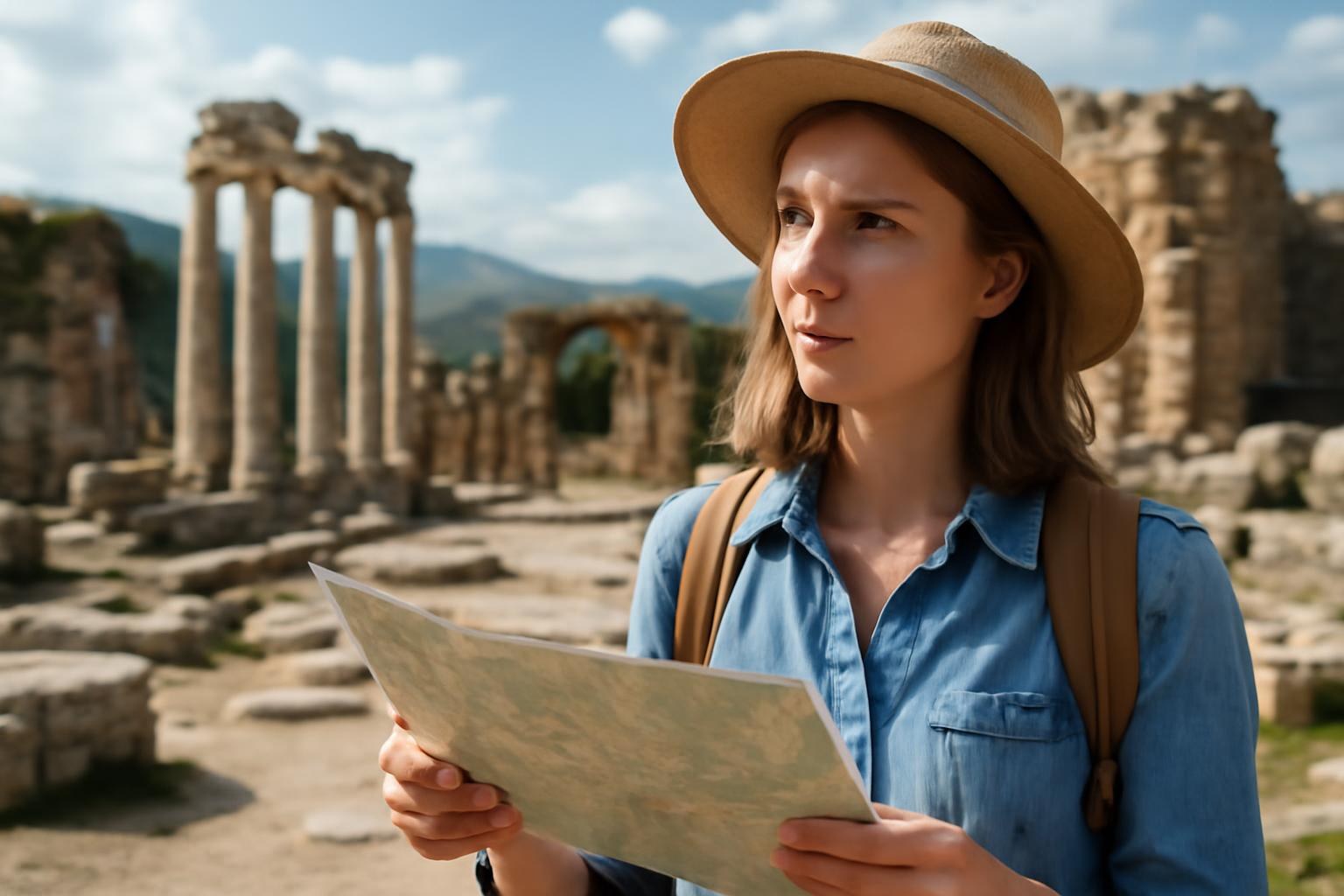
When you travel abroad, one of the most rewarding experiences is visiting a heritage site or a breathtaking natural wonder. Many of the world's most famous landmarks—such as the Colosseum in Rome or the ancient temples of Kyoto—have been listed as UNESCO World Heritage Sites because of their exceptional cultural and historical significance. Since these places tend to be crowded during peak seasons, it is wise to check whether advance tickets are required and, if possible, arrive early to avoid the crowds and enjoy a quieter, more personal experience.
Exploring a heritage site often means walking among well-preserved ruins or stepping inside a museum filled with remarkable artifacts. Some of the structures you will encounter were built as far back as the 12th century, and the level of craftsmanship on display can be truly stunning. Most major sites feature indoor exhibitions that provide historical context for what you are seeing, and admission fees are usually quite reasonable. Keep in mind, however, that you must respect local rules: photography may be restricted in certain areas, and maintaining a quiet atmosphere is expected at many sacred or historic locations.
For those who prefer the outdoors, scenic trails and natural viewpoints offer an entirely different kind of wonder. A well-marked trail through a national park, for instance, can lead you off the beaten path to hidden waterfalls or panoramic viewpoints that most tourists never discover. Whether you choose an easy walk or a more challenging hike, arriving at a hilltop at sunrise or sunset can be an experience so breathtaking that it is difficult to put into words. Once you are there, slow down, take in the view, and let the landscape speak for itself.
Wherever you go, remembering to respect local rules is essential. Heritage sites may have strict regulations about noise levels, the areas visitors are permitted to enter, or how close you can stand to ancient structures. These rules exist to protect the site for future generations, so following them carefully is both a legal and an ethical responsibility. If you are ever unsure about what is permitted, look for posted signs or ask a staff member—they are usually happy to help.
With the right preparation—purchasing tickets in advance, wearing comfortable footwear, and carrying enough water—every visit to a heritage site or a natural scenic spot can become one of the most meaningful memories of your journey. Take your time, read the information panels, and allow yourself to be moved by the history and beauty around you. After all, these extraordinary places exist not just to be seen, but to be truly experienced.