
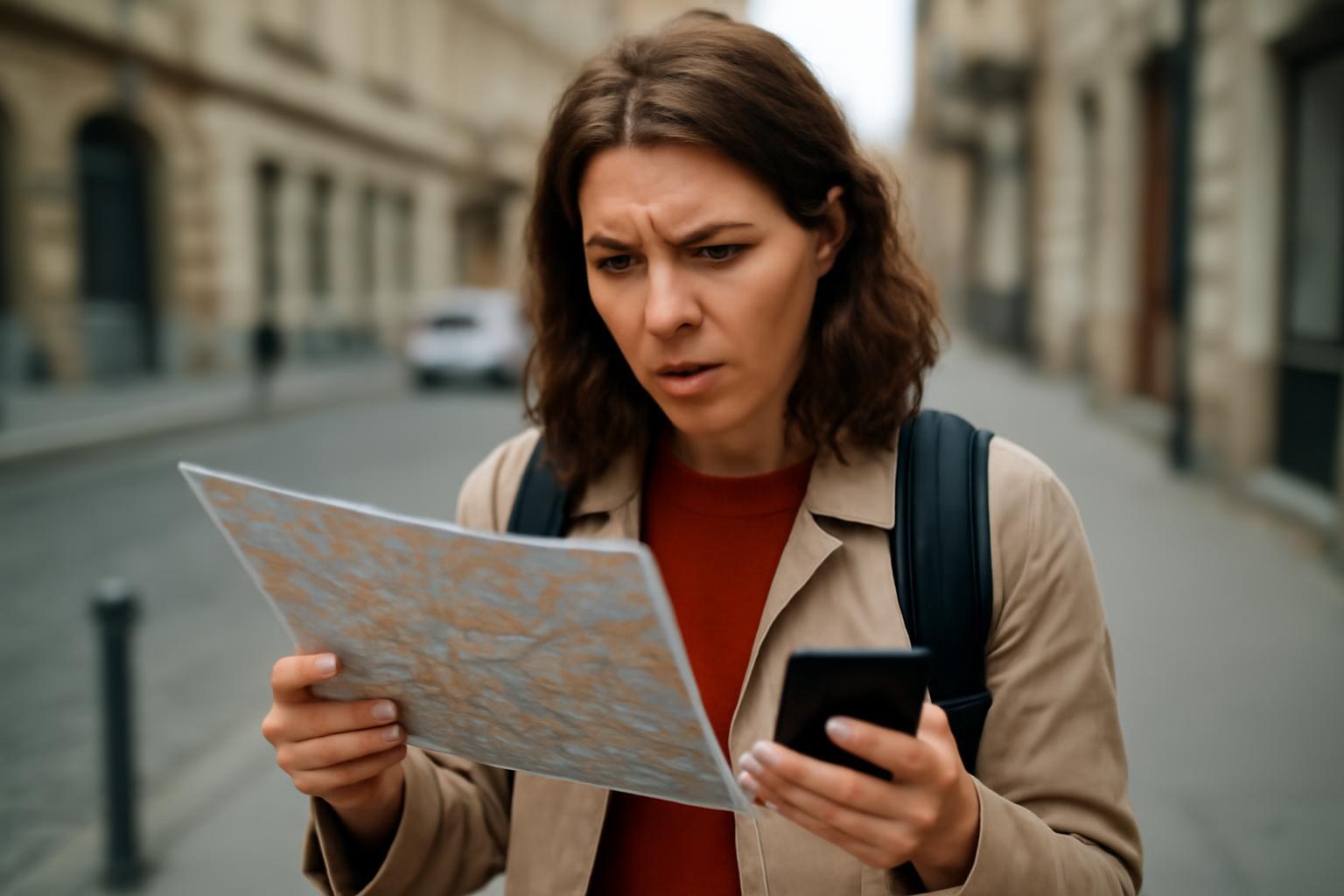
海外で助けが必要になったときの対処法

公開日:2026-09-05 旅遊英文 Level 3
海外で助けが必要になったときの対処法
01

About This Article

この記事について
背景
旅行中は予期せぬ出来事が起こることがあります。スリや強盗、その他のトラブルに巻き込まれると、慌ててしまいがちです。英語環境での警察への届け出方や大使館への連絡方法を知り、事前に準備しておくことは、個人旅行者にとって欠かせない旅の知識です。
  • 出発前に緊急連絡先、大使館の住所、旅行保険のホットラインを控えておく
  • 常に周囲の状況に注意し、スリを防ぐ
  • 盗難に遭った場合は冷静を保ち、すぐに警察に届け出る
  • パスポートが盗まれた場合は大使館に連絡し、緊急旅行文書を取得する
  • 突発的な緊急事態に備えて、重要書類のコピーを事前に保管しておく
02

Listen First

まず聞く
00:00 / 00:00
03

Reading

記事を読む
English

Traveling to a foreign country can be exciting, but being prepared for unexpected situations is equally important. Before you depart, write down the local emergency number, the address of your country's embassy, and the travel insurance hotline number. Keeping this information on your phone as well as on a separate piece of paper can make a critical difference if something goes wrong.

One of the best ways to stay safe is to be aware of your surroundings at all times. Crowded places such as train stations, busy markets, and popular tourist attractions are common areas where pickpockets operate. Keep your bag in front of you, and avoid displaying expensive items like your phone or camera in public.

If your bag is snatched or you become a victim of theft, try to stay calm. Approach a police officer or ask a passerby, "Could you help me? I need to call the police." In most countries, you will be required to file a report at a local police station, and this document is often necessary for a travel insurance claim.

After filing the report, contact your embassy immediately if your passport has been stolen. Embassy staff can issue an emergency travel document so that you can return home safely. You should also call your travel insurance hotline as soon as possible, since many policies require you to report an incident within twenty-four hours.

In case of an emergency, having copies of your passport, visa, and insurance documents stored in a secure location — such as a hotel safe or cloud storage — can save you a great deal of trouble. If you're ever in trouble abroad, remember that staying calm, seeking help promptly, and following the correct procedures will help you resolve the situation far more quickly.

日本語訳

海外旅行はわくわくするものですが、予期せぬ事態に備えておくことも同様に大切です。出発前に、現地の緊急電話番号、自国大使館の住所、旅行保険のホットライン番号を書き留めておきましょう。これらの情報をスマートフォンに保存するとともに、別の紙にも書いて別々に保管しておくことで、万が一の際に大きな助けになります。

身の安全を守る最善策のひとつは、常に周囲の状況に気を配ることです。駅、にぎやかな市場、人気の観光スポットなど、人が集まる場所はスリが多く出没します。バッグは体の前に持ち、スマートフォンやカメラなどの高価な物を公共の場で取り出すのは避けましょう。

バッグをひったくられたり、盗難の被害に遭ったりした場合は、冷静を保つよう心がけましょう。警察官に近づくか、通りすがりの人に「Could you help me? I need to call the police.」(助けていただけますか?警察を呼ぶ必要があります)と声をかけましょう。ほとんどの国では、最寄りの警察署で正式な届け出が必要となり、この書類は旅行保険の保険金請求に必要となることが多いです。

届け出を済ませたら、パスポートが盗まれた場合はすぐに大使館に連絡しましょう。大使館のスタッフが緊急旅行文書を発行し、安全に帰国できるよう手助けしてくれます。また、旅行保険のホットラインにもできるだけ早く電話してください。多くの保険では、事故の発生から二十四時間以内に報告することが求められています。

万が一の緊急事態に備え、パスポート、ビザ、保険書類のコピーをホテルのセーフティボックスやクラウドストレージなど安全な場所に保管しておくと、多くのトラブルを回避できます。海外でトラブルに巻き込まれたときは、冷静を保ち、迅速に助けを求め、正しい手順に従うことで、状況をはるかにスムーズに解決できることを覚えておきましょう。

04

Key Words

重要単語・フレーズ
10 件
05

Expressions

慣用表現
4 件
06

Practice

理解度テスト
6 問 +ディスカッション 2 問
0 /0 問

1 According to the article, what should you prepare before departing for a foreign country?
正解です。 不正解です。正解は緑色で示しています。
2 Why does the article advise travelers to keep their bags in front of them?
正解です。 不正解です。正解は緑色で示しています。
3 According to the article, which document is often required for a travel insurance claim after a theft?
正解です。 不正解です。正解は緑色で示しています。
4 One of the best ways to stay safe is to be of your surroundings at all times.
正解です。 不正解です。正解は緑色で示しています。
5 If your bag is snatched or you become a of theft, try to stay calm.
正解です。 不正解です。正解は緑色で示しています。
6 After your bag was snatched, you went to the police station to a report.
正解です。 不正解です。正解は緑色で示しています。

Discussion

質問とディスカッション
2 問

以下の問いに正解はありません。英語で自分の考えを、1 問につき 3〜5 文で話してみましょう。

  1. 1 Have you ever experienced or witnessed an emergency while traveling? How did you or others respond? If not, what would you do if your bag were stolen in a foreign country?
  2. 2 The article suggests keeping copies of important documents in a secure location before traveling. What other precautions do you take or plan to take before going on an international trip? Please explain why you think these measures are important.