
특별한 기차 여행

게시일:2026-08-31 生活與日常 Level 2
특별한 기차 여행
01

About This Article

이 기사에 대하여
배경
어떤 기차는 승객을 운송하는 것뿐만 아니라 지역 공동체 활동의 일부가 되기도 합니다. 이 글은 특별한 기차 여행을 소개하며, 교통수단, 지역 문화, 사람들 사이의 교류와 관련된 실용적인 영어를 배울 수 있도록 합니다.
  • 고정된 노선이 없는 기차에 탑승한 한 승객
  • 기차가 작은 마을에 머물며 주민들을 초대함
  • 승객이 여행을 통해 지역의 이야기를 알게 됨
  • 이 여행이 결국 지역 공동체의 소중한 추억이 됨
02

Listen First

먼저 듣기
00:00 / 00:00
03

Reading

기사 읽기
English

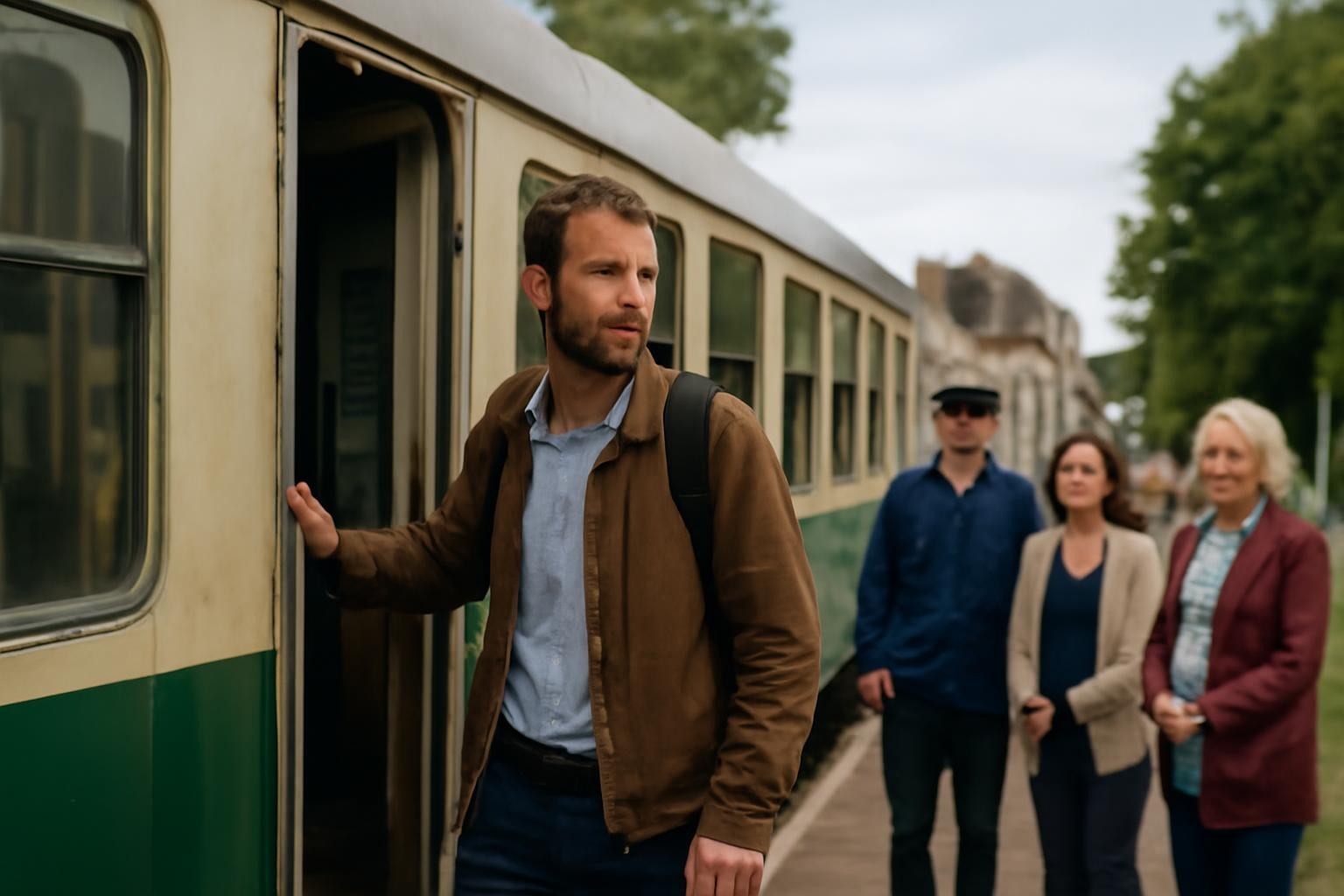
Last summer, Mia joined an unusual train journey across the northern part of her country. It was not a regular train, because it did not follow a fixed schedule or stop only at large stations. Instead, the train traveled slowly through small towns and invited local people to share their stories with passengers.

Mia first heard about the journey from a poster at her university. The poster said that the train would take three days to reach the coast, although the trip normally took only six hours. Mia thought the idea sounded strange, but she wanted to see places that tourists usually missed.

On the first morning, the train stopped beside a quiet village. A farmer came aboard and explained how his family had grown vegetables there for more than fifty years. He also gave each passenger a small bag of fresh tomatoes. Mia was surprised that a simple stop could become such a friendly meeting.

Later that day, the train stopped near an old bridge. A retired engineer showed the passengers photographs of the bridge when it was being built. He explained that the bridge had connected several villages and helped young people find jobs in nearby towns. His story helped Mia understand why the railway was important to local families.

Every evening, passengers and residents ate together in a different station. They shared music, local dishes, and memories about the area. Mia met a student from another city, a baker, and an elderly woman who had taken the same train to school when she was young.

When the train finally reached the coast, Mia felt that she had traveled through more than a beautiful landscape. She had learned how transportation could connect people and protect local history. The journey was slow and sometimes uncomfortable, but it gave everyone time to listen, talk, and make new friends.

한국어 번역

지난여름, Mia는 자기 나라 북부를 가로지르는 특별한 기차 여행에 참가했습니다. 그 기차는 정해진 시간표를 따르거나 큰 역에만 정차하는 일반적인 기차가 아니었습니다. 대신 작은 마을들을 천천히 지나가며 현지인들에게 승객들과 자신들의 이야기를 나누도록 초대했습니다.

Mia는 대학교에서 본 포스터를 통해 처음으로 이 여행에 대해 알게 되었습니다. 포스터에는 기차가 해안에 도착하는 데 3일이 걸릴 것이라고 적혀 있었습니다. 보통 그 여행은 6시간밖에 걸리지 않았습니다. Mia는 그 생각이 이상하게 들었지만, 관광객들이 보통 놓치는 장소들을 보고 싶었습니다.

첫날 아침, 기차는 조용한 마을 옆에 멈췄습니다. 한 농부가 기차에 올라와 자신의 가족이 그곳에서 50년 넘게 채소를 재배해 왔다고 설명했습니다. 그는 승객 한 명 한 명에게 신선한 토마토가 든 작은 봉지도 주었습니다. Mia는 단순한 정차가 이렇게 친근한 만남이 될 수 있다는 사실에 놀랐습니다.

그날 늦게 기차는 오래된 다리 근처에 멈췄습니다. 한 퇴직한 기술자가 승객들에게 그 다리가 건설되고 있을 때의 사진을 보여 주었습니다. 그는 그 다리가 여러 마을을 연결했고 젊은이들이 인근 마을에서 일자리를 찾는 데 도움을 주었다고 설명했습니다. 그의 이야기를 통해 Mia는 왜 철도가 지역 가정들에게 중요한지 이해하게 되었습니다.

매일 저녁, 승객들과 주민들은 서로 다른 역에서 함께 식사를 했습니다. 그들은 음악과 지역 음식, 그리고 그 지역에 관한 추억을 나누었습니다. Mia는 다른 도시에서 온 학생 한 명과 빵집 주인 한 명, 그리고 자신이 어렸을 때 같은 기차를 타고 학교에 다녔다는 한 노인 여성을 만났습니다.

기차가 마침내 해안에 도착했을 때, Mia는 자신이 아름다운 풍경만을 지나온 것이 아니라고 느꼈습니다. 그녀는 교통수단이 사람들을 연결하고 지역의 역사를 보존할 수 있다는 것을 배웠습니다. 여행은 느렸고 때로는 불편했지만, 모두에게 귀 기울이고 이야기하며 새로운 친구를 사귈 시간을 주었습니다.

04

Key Words

핵심 단어·구
5 개
05

Expressions

관용 표현
5 개
06

Practice

이해도 테스트
9 문항
0 /0문항

1 Why was the train unusual?
정답입니다. 오답입니다. 정답은 초록색으로 표시했습니다.
2 How long did the unusual journey take?
정답입니다. 오답입니다. 정답은 초록색으로 표시했습니다.
3 What did the farmer give the passengers?
정답입니다. 오답입니다. 정답은 초록색으로 표시했습니다.
4 Why was the old bridge important?
정답입니다. 오답입니다. 정답은 초록색으로 표시했습니다.
5 What did Mia learn from the journey?
정답입니다. 오답입니다. 정답은 초록색으로 표시했습니다.
6 It was not a regular train, because it did not follow a schedule.
정답입니다. 오답입니다. 정답은 초록색으로 표시했습니다.
7 The train local people to share their stories with passengers.
정답입니다. 오답입니다. 정답은 초록색으로 표시했습니다.
8 The bridge several villages.
정답입니다. 오답입니다. 정답은 초록색으로 표시했습니다.
9 Transportation could connect people and local history.
정답입니다. 오답입니다. 정답은 초록색으로 표시했습니다.